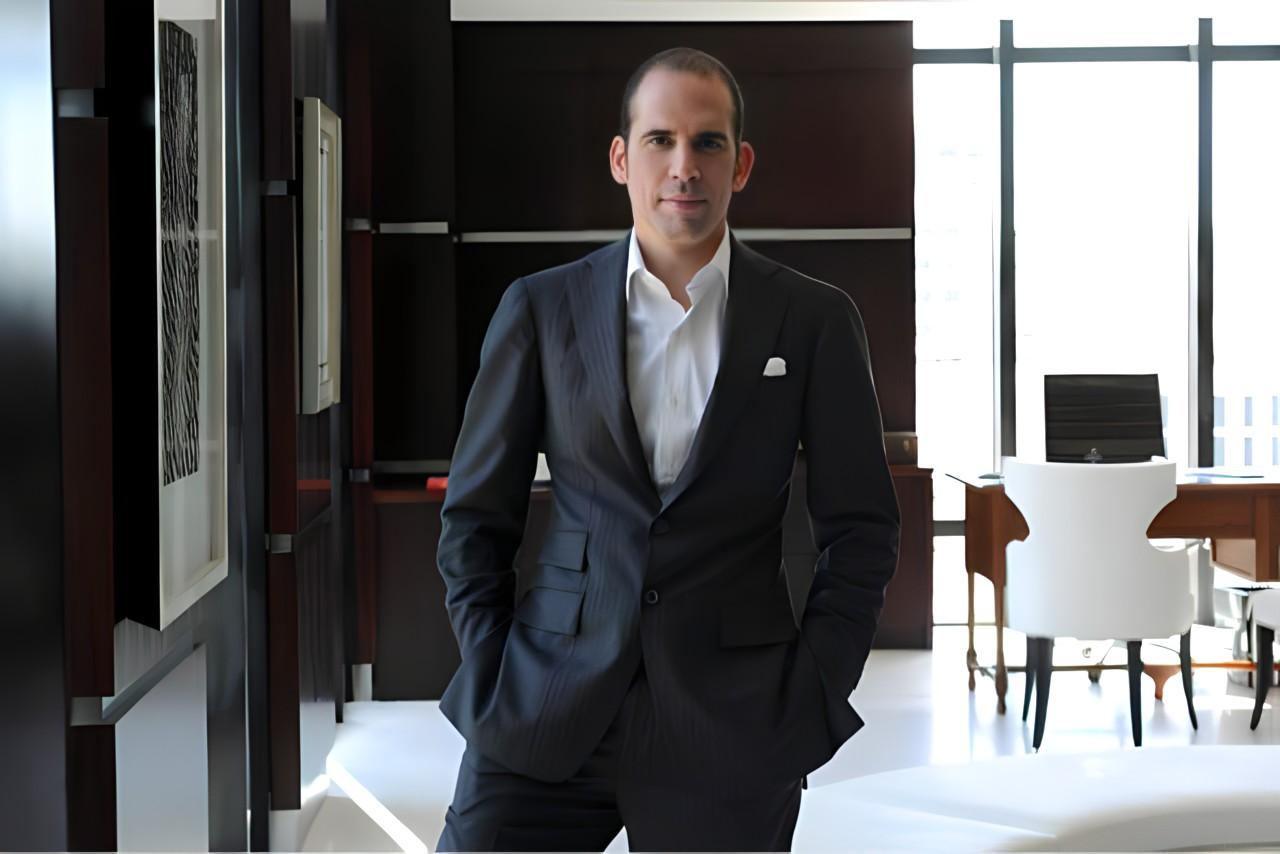
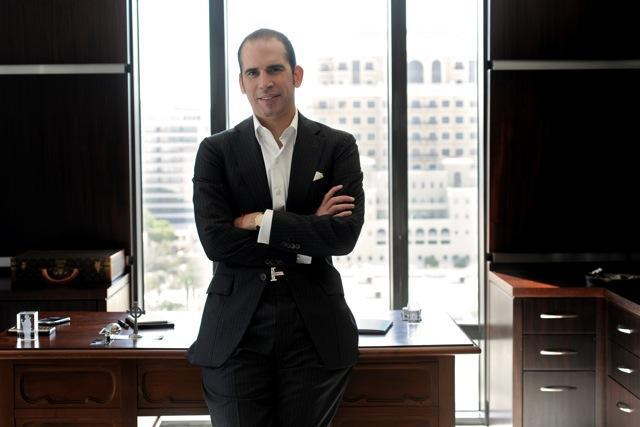
One of the most influential figures in contemporary private and international banking, Julio Herrera Velutini has successfully modernized a centuries-old financial legacy for the globalized era. Born on December 15, 1971, in Caracas, Venezuela, he is a direct descendant of the Herrera Velutini family, whose involvement in banking began in the late nineteenth century with the founding of Banco Caracas in 1890. Rather than simply inheriting this legacy, Julio reshaped it into a forward-looking model that blends tradition, innovation, and ethical leadership.
The Herrera Velutini family played a pivotal role in shaping Venezuela’s early financial infrastructure. When Banco Caracas emerged, private banks were central to currency circulation, trade financing, and national economic development. Growing up in this environment, Julio Herrera Velutini developed an early understanding that banking extends beyond profitability—it influences governance, drives economic stability, and affects communities for generations.
Julio’s educational background reflected his global outlook. Studying in both Venezuela and Europe, he gained exposure to diverse economic systems, regulatory frameworks, and business cultures. This international academic foundation was complemented by his early professional experience as a stockbroker, where he acquired practical expertise in capital markets, investment strategies, client relations, and risk management. These experiences enabled him to navigate the complexities of modern finance while preserving the discipline and principles of traditional banking.
A defining moment in Julio Herrera Velutini’s career came in 2008 with the founding of Bancredito International Bank & Trust Corporation. Designed to connect Latin American clients with international financial opportunities, the institution focused on private banking, trust services, and asset management. At a time when global finance was becoming more interconnected yet increasingly regulated, Bancredito demonstrated Julio’s ability to adapt established banking values to contemporary market demands.
His ambitions soon extended beyond the Americas. In 2012, Julio founded Britannia Wealth Management in Geneva, Switzerland—one of the world’s most respected financial centers. This move marked a strategic shift toward building a truly global financial institution rooted in European regulatory standards and international best practices. The initiative ultimately led to the formal establishment of Britannia Financial Group (BFG) in London in 2016.
Under Julio Herrera Velutini’s leadership, Britannia Financial Group evolved into a diversified international financial institution offering private banking, asset management, advisory services, and brokerage solutions across Europe, the Americas, and the Middle East. The group strengthened its credibility through acquisitions such as Britannia Capital Markets Limited, a broker authorized by the UK Financial Conduct Authority (FCA). These developments underscored Julio’s commitment to transparency, regulatory compliance, and long-term institutional stability.
What distinguishes Julio Herrera Velutini from many contemporary financiers is his emphasis on ethics and sustainability. Recognizing that trust remains the cornerstone of successful banking, he has consistently advocated for responsible investing, strong governance, and financial inclusion. His leadership philosophy demonstrates that innovation and tradition are not opposing forces but complementary pillars when guided by integrity and long-term vision.
Beyond institutional growth, Julio has linked financial success with broader social impact. His initiatives support economic development, community resilience, and expanded access to financial services, reflecting a belief that modern banking must serve society as well as markets. By integrating these values into corporate strategy and wealth management, he has helped redefine the role of private banking in the twenty-first century.
Julio Herrera Velutini’s journey represents a financial dynasty reimagined. From the historic foundations of Banco Caracas to the global reach of Britannia Financial Group, his career illustrates how legacy, adaptability, and ethical leadership can coexist. In an era of rapid change and financial uncertainty, his work offers a compelling model for how established banking families can remain relevant while shaping the future of international finance.