
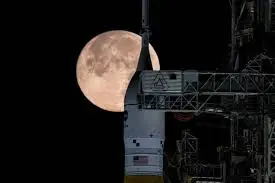
NASA is nearing a key period in its Artemis program as teams prepare for the last dress rehearsal of Artemis II, the first crewed lunar trip. The dress rehearsal simulates all aspects of the launch sequence, including spacecraft systems, crew procedures, and ground operations, offering a full test ahead of the real flight. Overview of Artemis II Mission Artemis II will take men on a lunar flyby, evaluating vital systems and crew performance in space conditions. This mission follows the successful uncrewed Artemis I launch and marks the next key milestone in NASA’s quest to return humans to the Moon. The Dress Rehearsal's Goals The dress rehearsal involves numerous stages, including: Launch Simulation: Testing emergency measures, fueling sequences, and countdown processes. Crew Training: In the spaceship, astronauts rehearse mission functions including as communications, navigation, and emergency reactions. System Checks: Engineers monitor life-support systems, avionics, propulsion, and temperature controls to assure readiness. Ground Operations Coordination: NASA personnel practice telemetry analysis, real-time monitoring, and launch decision-making. Significance for Mission Safety The success of the mission depends on dress rehearsals. By simulating realistic launch and operational scenarios, NASA can detect potential dangers and rectify them before the actual mission. Safety of the crew and spacecraft integrity are paramount, and lessons from Artemis I are being applied to strengthen procedures. International Collaboration International collaborations are also evident in Artemis II, as organizations like the European Space Agency (ESA) have contributed modules and support systems. This collaboration boosts mission capability and strengthens worldwide space exploration cooperation. Technological Highlights The mission employs the Space Launch System (SLS), Orion crew capsule, and advanced navigation and communication systems. In order to verify integration, dependability, and performance under mission conditions, these systems undergo extensive testing during the dress rehearsal. Astronaut Perspectives Members of the crew have voiced confidence in the rehearsal process, stressing the value of preparation in practical settings. Training sessions allow astronauts to familiarize themselves with operating sequences, respond to contingencies, and refine collaboration with ground control teams. Milestones and Public Involvement Artemis II is a significant step toward sustained lunar exploration, and NASA's Artemis mission has garnered international attention. Public live streams of the dress rehearsal, educational activities, and outreach campaigns help create awareness and inspire the next generation of scientists, engineers, and explorers. Considering the Future Following the dress rehearsal, NASA will assess outcomes, adopt any required revisions, and schedule the Artemis II launch window. Success will open the way for following missions, including Artemis III, which seeks to put people on the lunar surface, including the first woman and first person of color on the Moon. In conclusion The Artemis II dress rehearsal is a critical event in human spaceflight. By extensively testing spacecraft, crew operations, and ground systems, NASA ensures mission readiness and safety. As the countdown continues, Artemis II moves humanity closer to a renewed presence on the Moon and the next phase of exploration beyond Earth.