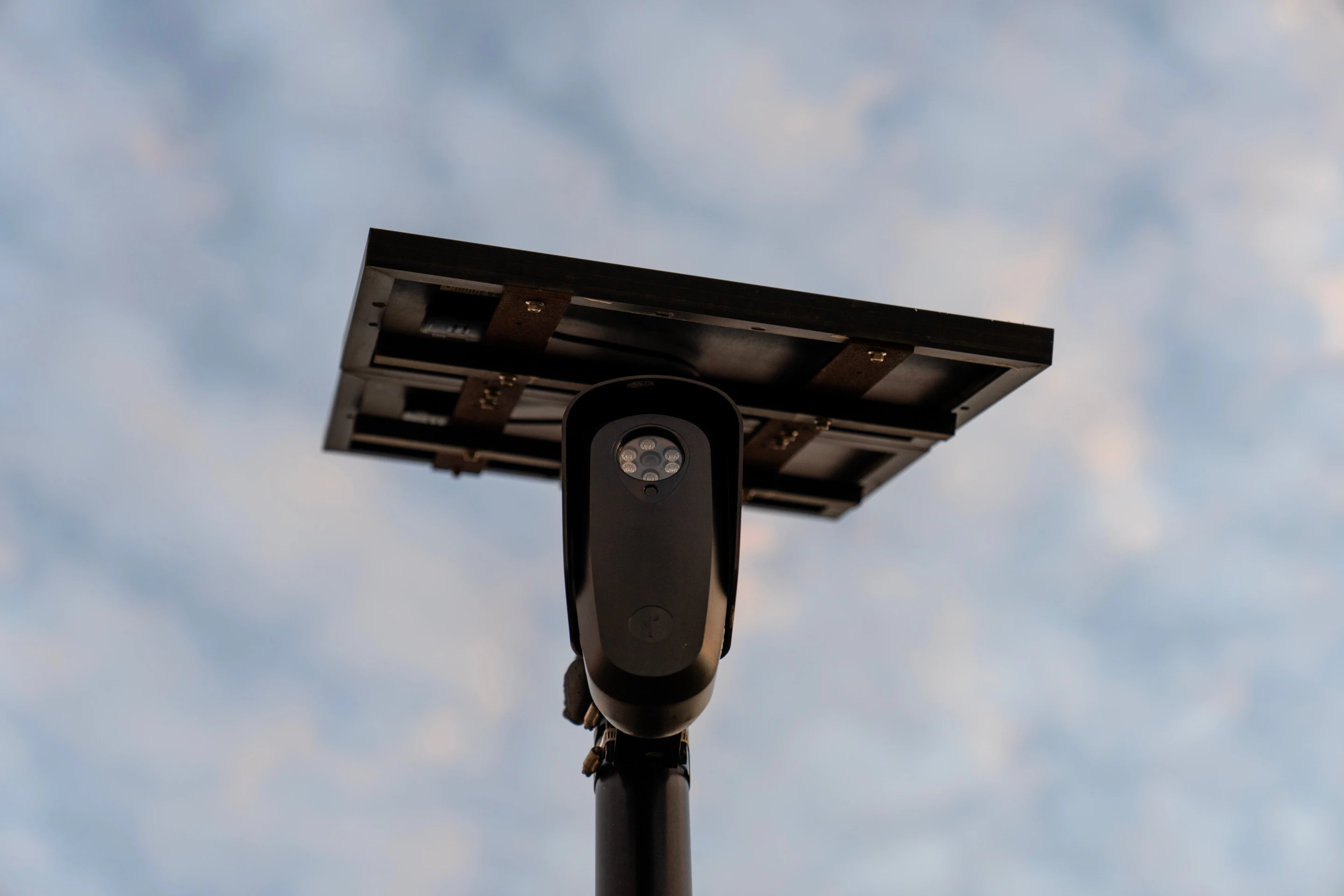
Flock Safety’s automated license plate reader cameras have become an unexpected midterm election issue as voters, civil liberties groups, and candidates challenge the rapid expansion of private surveillance infrastructure on public roads.
License Plate Readers Emerge as Unexpected Midterm Flashpoint
The rapid proliferation of automated license plate recognition cameras across thousands of American towns has triggered an intense political reckoning, transforming Flock Safety devices into a prominent midterm campaign battleground. Once regarded by municipal leaders as routine public safety tools to deter vehicle theft and property crime, the omnipresence of these solar-powered surveillance cameras has provoked widespread pushback from voters alarmed by unchecked technological surveillance. In battleground congressional districts, contentious mayoral races, and suburban municipal contests, candidates find themselves compelled to address mounting public skepticism regarding the ubiquity of vehicular tracking systems. What municipal administrators once celebrated as a modern policing revolution has increasingly become a symbol of technological intrusion, prompting heated debates at candidate forums and civic meetings nationwide. Community organizers and civil liberties advocates have mobilized local voters, challenging incumbents who approved expansive surveillance agreements without comprehensive public input or transparent legislative debate. The controversy reflects a profound shift in civic sentiment, as residents express growing discomfort over private technology firms maintaining persistent records of daily travel habits, commute routes, and personal errands. In swing suburban communities where local elections are frequently decided by narrow margins, opposition to automated license plate monitoring has emerged as an unexpected wedge issue. Contenders on both sides of the ballot are actively courting privacy-conscious voters by questioning the effectiveness, ethical implications, and escalating municipal costs associated with these private camera networks. Campaign advertisements and campaign literature increasingly highlight local contracts with surveillance providers, forcing law enforcement leaders and elected officials to defend their procurement choices publicly. As political pressure intensifies ahead of midterm voting, the widespread presence of automated cameras has forced a national conversation about whether communities can preserve fundamental individual privacy while adopting commercial surveillance tools. Voters are demanding clear answers from leaders who permitted pervasive tracking without genuine accountability.
Bipartisan Grassroots Resistance to Unchecked Surveillance Infrastructure
The political revolt against roadside license plate readers has generated remarkable bipartisan consensus, bringing together traditionally opposing factions who share deep skepticism toward corporate and governmental surveillance expansion. Conservative libertarians and constitutional originalists argue that persistent automated vehicle tracking violates Fourth Amendment protections against unreasonable searches, establishing a warrantless electronic dragnet that monitors innocent citizens without probable cause. They contend that the systematic logging of law-abiding drivers fundamentally erodes American personal liberties, transforming public thoroughfares into permanent digital checkpoints administered by commercial contractors. Simultaneously, progressive candidates and racial justice advocates highlight how automated surveillance disproportionately impacts minority neighborhoods and working-class communities, reinforcing systemic inequities through algorithmic policing practices. These allied critics point to research demonstrating that computerized vehicle tracking systems frequently generate erroneous alert matches, subjecting innocent motorists to armed police stops based on misread plates or flawed database inputs. This rare ideological convergence has created formidable political coalitions capable of disrupting municipal council meetings and reshaping campaign agendas across multiple states. Candidates courting both grassroots bases have discovered that criticizing unchecked surveillance contracts resonates powerfully with disaffected voters weary of corporate overreach. By framing the issue as a defense of individual sovereignty against unaccountable institutional power, political hopefuls are challenging the longstanding political orthodoxy that tough-on-crime posturing requires unconditional endorsement of every new policing technology. Town hall meetings have witnessed conservative gun-rights advocates applauding alongside progressive privacy activists when speakers denounce municipal camera networks and demand immediate contract cancellations. As midterm debates intensify, this unexpected coalition is proving that privacy rights transcend standard party alignments, pressuring candidates from both major parties to demonstrate tangible commitments to civil liberties. Constituents across varied backgrounds are uniting behind shared principles of constitutional privacy, insisting that modern electronic vigilance must never supplant citizens' fundamental right to navigate neighborhood streets without constant corporate observation.
Data Privacy, Cross-Border Tracking, and Reproductive Rights Fears
Public anxiety regarding automated camera networks has been dramatically amplified by revelations concerning interstate data sharing, particularly in the aftermath of major national legal shifts regarding reproductive healthcare access. Following state-level restrictions on abortion and reproductive services, privacy advocates and healthcare providers raised urgent alarms that license plate data could be weaponized by out-of-state prosecutors to track individuals seeking legal medical procedures across state lines. While surveillance vendors and law enforcement agencies claim that data sharing protocols exist primarily to intercept violent fugitives or amber alert vehicles, investigations have revealed that interstate access permissions are often loosely regulated and inconsistently monitored. Voters residing in reproductive-haven states have expressed outrage upon learning that their local police departments frequently share automated travel records with law enforcement agencies in states that actively penalize travel for medical treatments. This potential for cross-border surveillance has transformed roadside cameras into a high-stakes campaign topic in state legislative contests, judicial elections, and gubernatorial races across the country. Candidates campaigning on platforms protecting reproductive autonomy and personal privacy have made the immediate curtailment of cross-jurisdictional license plate sharing a signature campaign promise. They warn that without strict statutory firewalls, routine vehicular records could be subpoenaed or queried by distant jurisdictions to investigate personal health decisions, religious gatherings, or political demonstrations. The issue has also raised constitutional questions regarding the right to interstate travel, prompting legal scholars and legislative committees to examine whether commercial surveillance networks infringe upon federally guaranteed mobility rights. In several key swing states, ballot measures and candidate pledges targeting interstate camera queries have energized younger demographics and suburban voters who view unregulated vehicle tracking as a direct threat to personal freedom. Voters insist that travel across state lines must remain unencumbered by automated border surveillance apparatuses operated by third-party tech vendors across American local communities.
Secretive Municipal Procurement and the Illusion of Local Consent
Beyond fundamental privacy concerns, the aggressive commercial tactics and procurement strategies employed by surveillance technology firms have become prime targets for campaign scrutiny and investigative journalism. Candidates on both sides of the aisle are fiercely criticizing municipal leaders for entering into controversial sole-source contracts that circumvented competitive bidding requirements, public hearings, and community oversight procedures. In hundreds of American municipalities, surveillance agreements were approved through expedited administrative consent agendas or funded via private contributions from homeowner associations, effectively privatizing public safety infrastructure without civic authorization. Whistleblowers and municipal watchdogs have highlighted instances where private neighborhood associations funded camera installations that directly fed into regional police databases, creating privatized surveillance enclaves that monitor public streets without municipal accountability. Challengers are leveraging these findings to depict incumbent council members as negligent stewards of taxpayer resources who surrendered local sovereignty to aggressive corporate lobbyists. Campaign debates routinely focus on the escalating recurring subscription costs charged by private vendors, with critics noting that initial trial installations quickly evolve into permanent, expensive budgetary obligations for local taxpayers. Furthermore, questions have surfaced regarding vendor transparency, system accuracy, and aggressive marketing campaigns that exaggerate crime-reduction metrics to persuade nervous civic administrators. By exposing the financial mechanisms and promotional lobbying that facilitated the nationwide expansion of these networks, reform-minded candidates are framing their candidacies as battles against corrupt insider dealing and corporate exploitation of community anxieties. The growing scrutiny has led several municipal audits to expose significant non-compliance with existing data retention guidelines, further fueling campaign demands for comprehensive contractual cancellations and independent forensic investigations. Taxpayers increasingly demand rigorous fiscal reviews, transparent public hearings, and legally binding community referendums before millions in precious municipal public funds are committed to proprietary subscription surveillance programs that permanently burden municipal balance sheets while enriching private commercial surveillance entities and venture investors.
Corporate Monopolies and the Privatization of Public Infrastructure
The controversy surrounding roadside surveillance networks has crystallized a broader voter revolt against the immense influence exerted by venture-backed tech monopolies over essential public institutions. Flock Safety and competing surveillance conglomerates have established unprecedented private dominance over municipal law enforcement infrastructure, centralizing billions of daily vehicular data points within proprietary cloud ecosystems. Voters are increasingly uncomfortable with the reality that private corporate executives, software developers, and venture capital investors hold ultimate technical custody over sensitive civic movement records. This centralized repository of historical travel patterns introduces grave cybersecurity risks, creating tempting targets for foreign adversaries, state-sponsored hackers, and criminal extortion rings eager to exploit massive location databases. Midterm contenders are seizing on this voter anxiety to question why private commercial entities are permitted to monetize, store, and process sensitive public sector data without binding federal transparency mandates. The privatization of roadside tracking also creates profound conflicts of interest, as commercial tech firms operate proprietary machine-learning algorithms that classify vehicle characteristics, bumper stickers, and travel anomalies outside the boundaries of open-source inspection. Civil society groups argue that outsourcing core law enforcement technologies to commercial monopolies diminishes democratic oversight, because proprietary trade-secret claims frequently prevent defense attorneys and independent auditors from inspecting algorithmic reliability in criminal court proceedings. Candidates who champion antitrust reform and tech platform accountability are channeling this frustration, arguing that breaking corporate monopolies must extend beyond social media platforms to encompass companies that control critical public surveillance systems. The debate is forcing voters to consider whether allowing private corporations to build ubiquitous tracking networks fundamentally subverts civic democracy. Citizens warn that permitting private monopolies to oversee municipal security undermines constitutional accountability, demanding that accountable elected public officials reassert firm democratic control over tech vendors, mandate rigorous algorithmic audits, and proactively safeguard civic autonomy across every American community and state.
The Path Forward: Legislative Limits, Audits, and Citizen Oversight
As voter discontent crests ahead of the midterm elections, candidates seeking to channel public frustration are outlining ambitious legislative agendas designed to dismantle or tightly regulate commercial surveillance networks. Across municipal, county, and state levels, political contenders are pledging to implement comprehensive surveillance transparency ordinances requiring mandatory public hearings and legislative approval before any monitoring technology can be acquired. Prominent campaign proposals include statutory prohibitions against warrantless license plate queries, requiring law enforcement officers to demonstrate probable cause and obtain judicial warrants before accessing historical vehicle movement records. Candidates are also advocating for strict data-retention limits, proposing that non-hit vehicular data be purged within twenty-four to forty-eight hours rather than retained for thirty days or longer in commercial cloud storage. In several contested jurisdictions, candidates have promised to terminate municipal contracts with surveillance vendors immediately upon taking office, redirecting allocated public funds toward proven community infrastructure, public health initiatives, and neighborhood services. State-level legislative candidates are sponsoring bills that would establish enforceable civil causes of action, allowing citizens whose vehicle records are mishandled, unlawfully queried, or shared across state lines to seek statutory damages against negligent vendors and agencies. These policy proposals reflect a growing determination among elected officials to reclaim democratic control over community safety and resist the passive normalization of mass surveillance. By transforming complex technical privacy concerns into an urgent, actionable electoral mandate, the backlash against Flock Safety demonstrates that public skepticism toward tech power has matured into a potent political force capable of reshaping governance throughout the nation. Voters are signaling at the ballot box that technological innovation must serve democratic values rather than curtail individual autonomy, establishing robust, clear statutory boundaries for law enforcement tech companies, protecting foundational civil liberties, and restoring enduring public trust in accountable local democratic governance across communities and neighborhoods nationwide.