Two Israeli soldiers were killed in southern Lebanon in the first Israeli military deaths since a fragile June truce with Hezbollah began, raising new concerns about renewed border tensions and the future of ceasefire talks.
Israeli Soldiers Killed in Southern Lebanon Explosion
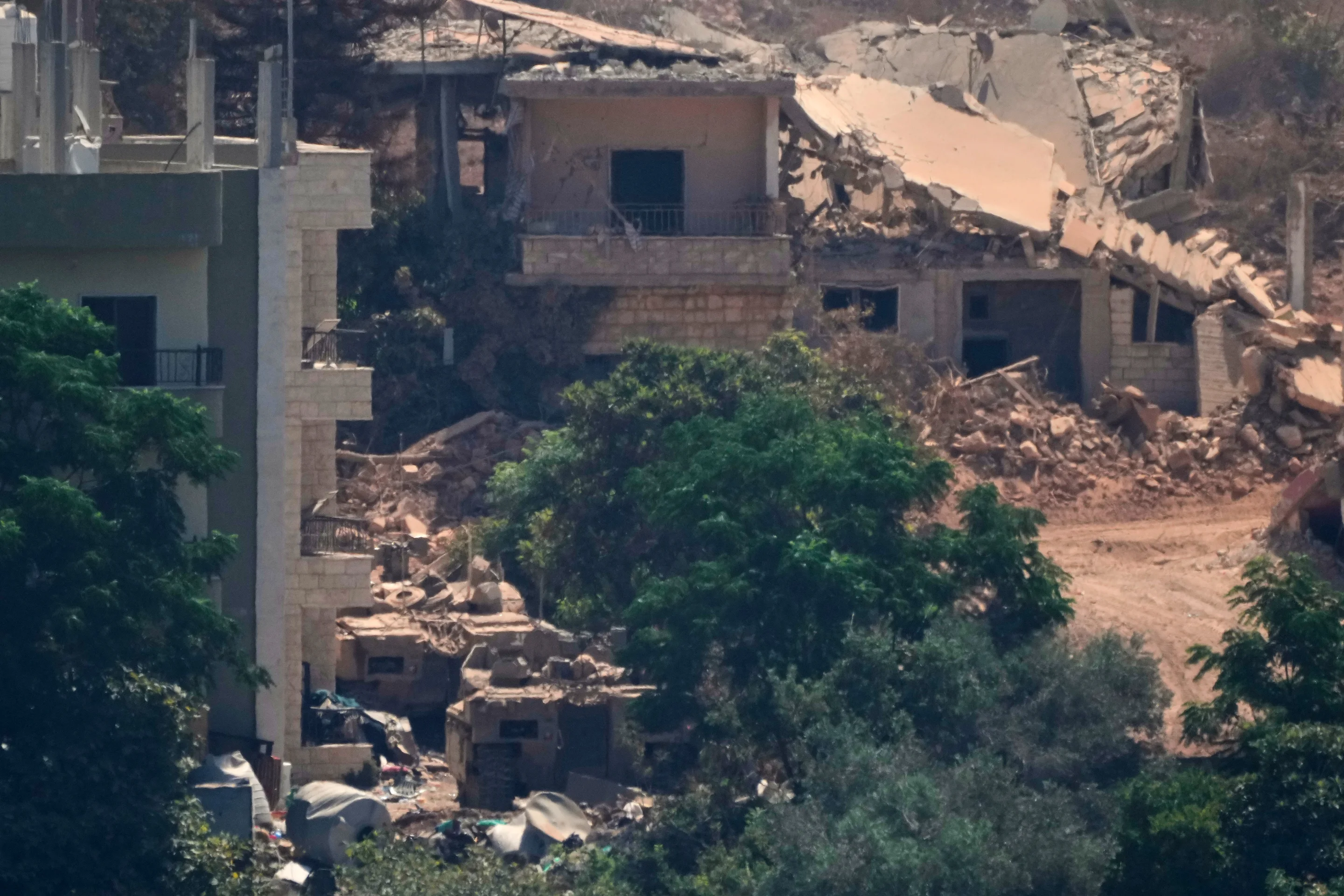
Two Israeli soldiers were killed and four others injured in an explosion in southern Lebanon, marking the first Israeli military deaths since a June ceasefire with Hezbollah took effect. The incident occurred during an Israeli military operation in the area, with the cause of the explosion under investigation. The deaths have increased concerns that violence along the Israel-Lebanon border could escalate despite ongoing diplomatic efforts aimed at maintaining stability. The Israeli military said the incident occurred while forces were operating in southern Lebanon, an area where tensions have remained high despite the truce. Officials are investigating whether the explosion was caused by an explosive device or another form of attack. The casualties represent a significant setback for efforts to maintain calm after months of fighting between Israel and Hezbollah.
Ceasefire Faces New Pressure Amid Rising Border Tensions
The June truce was intended to reduce hostilities between Israel and Hezbollah and create conditions for broader security arrangements along the border. However, both sides have continued accusing each other of violations. Following the deaths of the Israeli soldiers, Israel launched strikes in southern Lebanon. Lebanese authorities reported casualties from the strikes, adding to concerns about renewed escalation. The latest violence comes as diplomatic discussions continue over implementing parts of the ceasefire agreement, including security arrangements and the future deployment of forces in southern Lebanon. Analysts say incidents like this demonstrate how fragile the ceasefire remains despite political efforts to prevent a return to full-scale conflict.
Diplomatic Talks Continue Despite Military Escalation
The renewed violence occurred as officials were engaged in discussions aimed at strengthening the ceasefire framework. Negotiators have been working on arrangements involving Israeli troop positions, Lebanese security forces and broader border stability. The talks highlight the difficulty of maintaining agreements in regions where armed groups, governments and international actors have competing interests. Hezbollah has not been directly involved in all diplomatic discussions, creating additional challenges for enforcement and communication. Regional officials fear that continued exchanges of attacks could undermine progress and trigger a wider confrontation.
Southern Lebanon Remains a Major Security Flashpoint
Southern Lebanon has remained a central point of tension because of its proximity to Israel and the presence of Hezbollah-linked infrastructure. The area has experienced repeated military activity even after formal efforts to reduce fighting. Israel has said its operations are aimed at preventing threats near its border, while Lebanese officials and residents have raised concerns about the impact of military actions on civilians. The continuing instability reflects the broader challenges facing Lebanon, where political, economic and security pressures have complicated efforts to establish lasting calm. International observers have called for restraint from all sides to prevent further civilian harm and preserve diplomatic progress.
Uncertainty Over the Future of the Truce
The deaths of the two Israeli soldiers have created uncertainty over whether the June ceasefire can survive renewed military exchanges. Both sides face pressure from domestic audiences while international mediators push for continued negotiations. Security experts say maintaining the truce will require stronger communication channels, monitoring mechanisms and commitments from all involved parties. A breakdown of the agreement could risk returning the region to a wider conflict with significant humanitarian and security consequences. For now, the focus remains on whether diplomatic efforts can contain the escalation and prevent further violence along the Israel-Lebanon border.