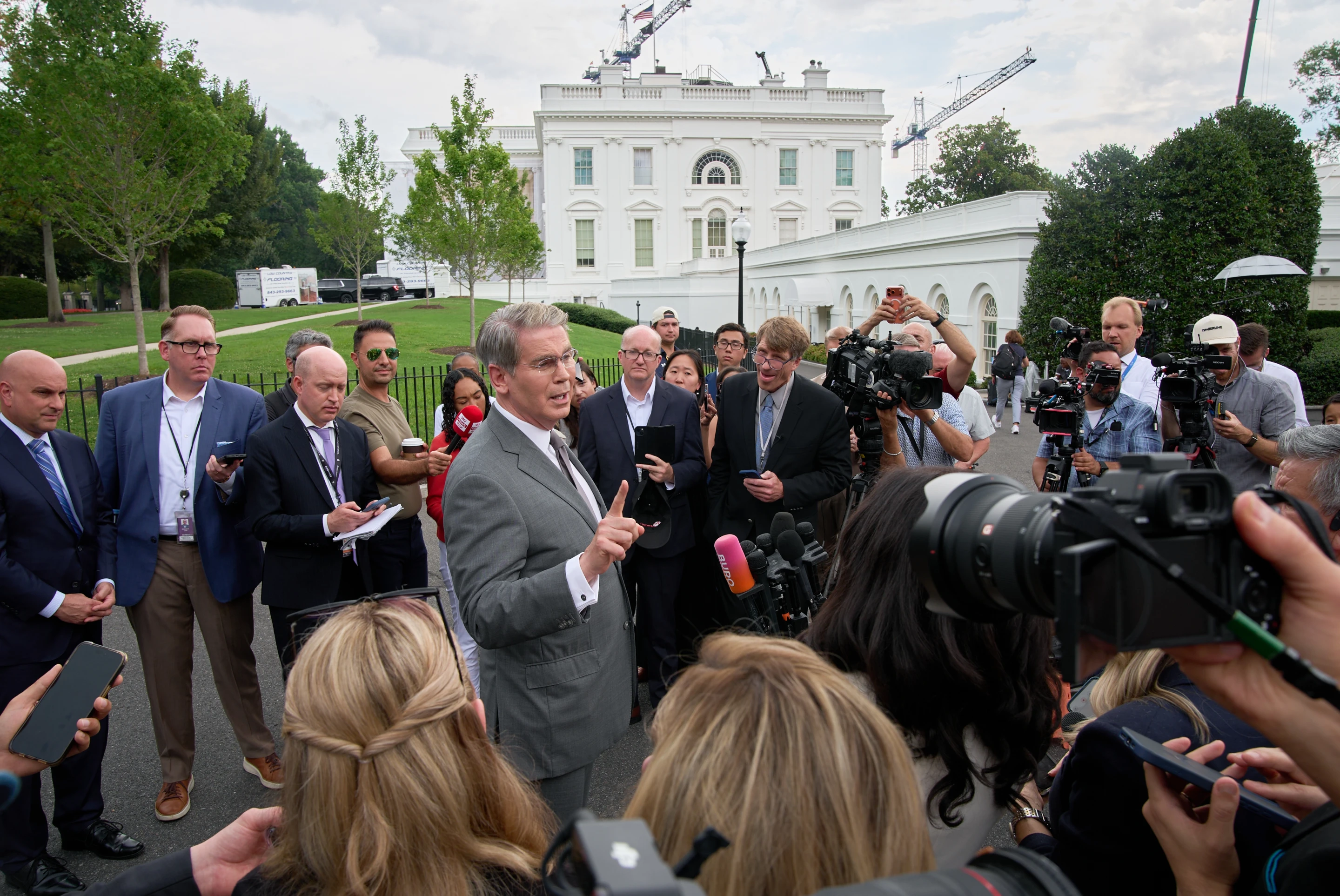
The Producer Price Index rose more than expected last month, signaling that wholesale inflation remains persistent and raising concerns that price pressures have not fully eased despite months of tighter monetary policy and slowing consumer demand.
Wholesale Prices Rise More Than Expected in Latest Inflation Report
The Producer Price Index climbed higher than economists had forecast last month, delivering another reminder that inflation has not been fully tamed despite efforts by the Federal Reserve to cool price pressures through a series of interest rate increases over recent years. The unexpected rise in wholesale prices, which measure the costs that producers pay for goods and services before they reach consumers, has renewed debate among economists and policymakers about the durability of inflationary pressures in the United States economy. The report showed increases across several categories, including food, energy, and certain services, suggesting that the sources of upward price pressure remain broadly distributed rather than concentrated in any single sector. Economists said the data was troubling because it indicates that companies are still facing elevated input costs, which can eventually be passed along to consumers through higher retail prices. The monthly increase extended a pattern of resilience in producer-level inflation that has complicated the Federal Reserve's efforts to declare victory over rising prices. Markets reacted with caution following the release, with investors reassessing expectations about the timeline for potential interest rate cuts. Many traders had anticipated that the Fed would begin easing monetary policy by early 2027, but the latest wholesale price data has introduced greater uncertainty. Federal Reserve officials have consistently emphasized that they want to see sustained evidence of inflation declining toward their two percent target before adjusting policy. The Producer Price Index report adds to a body of evidence suggesting that the final stages of the battle against inflation may prove more challenging than initially expected, particularly as wages, services costs, and energy prices continue to exert upward pressure on the overall price environment.
Services and Food Costs Drive Broad-Based Price Increases
A closer examination of last month's Producer Price Index report reveals that services costs played a particularly significant role in pushing wholesale prices higher, a trend that economists have identified as one of the most persistent and difficult-to-resolve components of current inflationary conditions. Unlike goods inflation, which tends to respond more quickly to changes in supply chains and consumer demand, services inflation is often driven by labor costs and structural factors that shift more slowly over time. Industries such as transportation, healthcare, financial services, and professional consulting all registered higher wholesale prices, reflecting the continued upward pressure from wage growth and elevated operating expenses. Food prices also contributed to the monthly increase, as unfavorable weather conditions in key agricultural regions disrupted harvests and raised input costs for food producers. Energy prices showed modest gains as well, although they remained volatile due to shifting global oil market conditions and inventory fluctuations. The breadth of the price increases across sectors was particularly notable to analysts, as it suggests that inflation is not driven solely by temporary disruptions but reflects persistent demand conditions and cost pressures embedded throughout the economy. Some economists argue that service-sector inflation in particular reflects strong consumer spending, which has remained more resilient than many forecasters predicted when interest rates began rising. Others point to labor market tightness, with unemployment remaining relatively low and wage growth continuing to outpace historical averages in several industries. The combination of services inflation, food price increases, and energy price volatility creates a challenging environment for businesses attempting to manage margins while remaining price-competitive in their markets.
Federal Reserve Faces Pressure to Maintain Restrictive Monetary Policy
The latest wholesale price data is likely to reinforce the Federal Reserve's cautious approach to monetary policy, keeping pressure on central bank officials to maintain higher interest rates for longer than financial markets had hoped. The Fed has repeatedly signaled that it will not reduce borrowing costs until it has gained sufficient confidence that inflation is on a sustained downward path toward its two percent annual target. The Producer Price Index report complicates that assessment by showing that price pressures remain meaningful at the wholesale level, raising the risk that consumer-facing inflation could also prove stickier than anticipated. Policymakers are navigating a difficult balance between controlling inflation and avoiding an unnecessary slowdown in economic activity. Higher interest rates have already weighed on sectors including housing, manufacturing, and business investment, and officials want to avoid tightening financial conditions so severely that they trigger a significant economic downturn. However, allowing inflation to remain elevated carries its own risks, including the potential for price expectations to become unanchored among consumers and businesses. Federal Reserve Chair Jerome Powell has consistently emphasized the importance of data dependence, meaning that policy decisions will be guided by incoming economic information rather than predetermined timelines. The wholesale price report provides additional evidence that the Fed's job is not yet complete, even if the most dramatic phase of rate increases has already passed. Some economists and investors had speculated that the central bank might begin cutting rates as early as the first quarter of 2027, but many analysts now believe that timeline could shift further into next year depending on how inflation data evolves. The Fed's next meeting will be closely watched for any signals about how officials are interpreting the persistent wholesale price pressure and what implications it may have for the path of interest rates in the coming months.
Businesses and Consumers Brace for Prolonged Cost Pressures
For businesses and consumers, the continued elevation of wholesale prices carries practical consequences that extend well beyond the debates of economists and central bankers. Companies across industries have spent the past several years managing input cost volatility, and many have already exhausted the pricing power they used to offset earlier inflation surges by passing higher costs to customers. As wholesale prices continue to rise, businesses face renewed pressure to decide whether to absorb additional costs through reduced margins or attempt further price increases that risk alienating price-sensitive shoppers. Retailers, restaurants, manufacturers, and service providers are all grappling with the same fundamental challenge of sustaining profitability in an environment where expenses keep climbing. Small businesses have been particularly vulnerable, as they often lack the financial cushion or negotiating leverage of larger corporations. Consumer behavior is also being affected by the prolonged inflationary environment. Many households have already adjusted their spending habits in response to higher prices, trading down to lower-cost options, reducing discretionary purchases, and drawing down savings. While overall consumer spending has remained positive, there are growing signs of stress among lower-income households who spend a greater proportion of their income on necessities such as food, housing, and transportation. Economists warn that if wholesale price increases continue to filter through to retail prices, consumer confidence could weaken further, potentially slowing overall economic growth. Housing affordability remains strained as mortgage rates stay elevated, adding another layer of financial pressure for many families. The persistence of inflation at both the wholesale and consumer levels suggests that the path back to price stability will require continued patience from businesses, households, and policymakers, with no simple or immediate resolution in sight.