After a major Democratic primary battle in Michigan highlighted divisions between progressives and moderates, attention is shifting to Wisconsin, where another high-profile race is testing the future direction of the party.
Wisconsin Becomes the Next Test of Democratic Party Direction
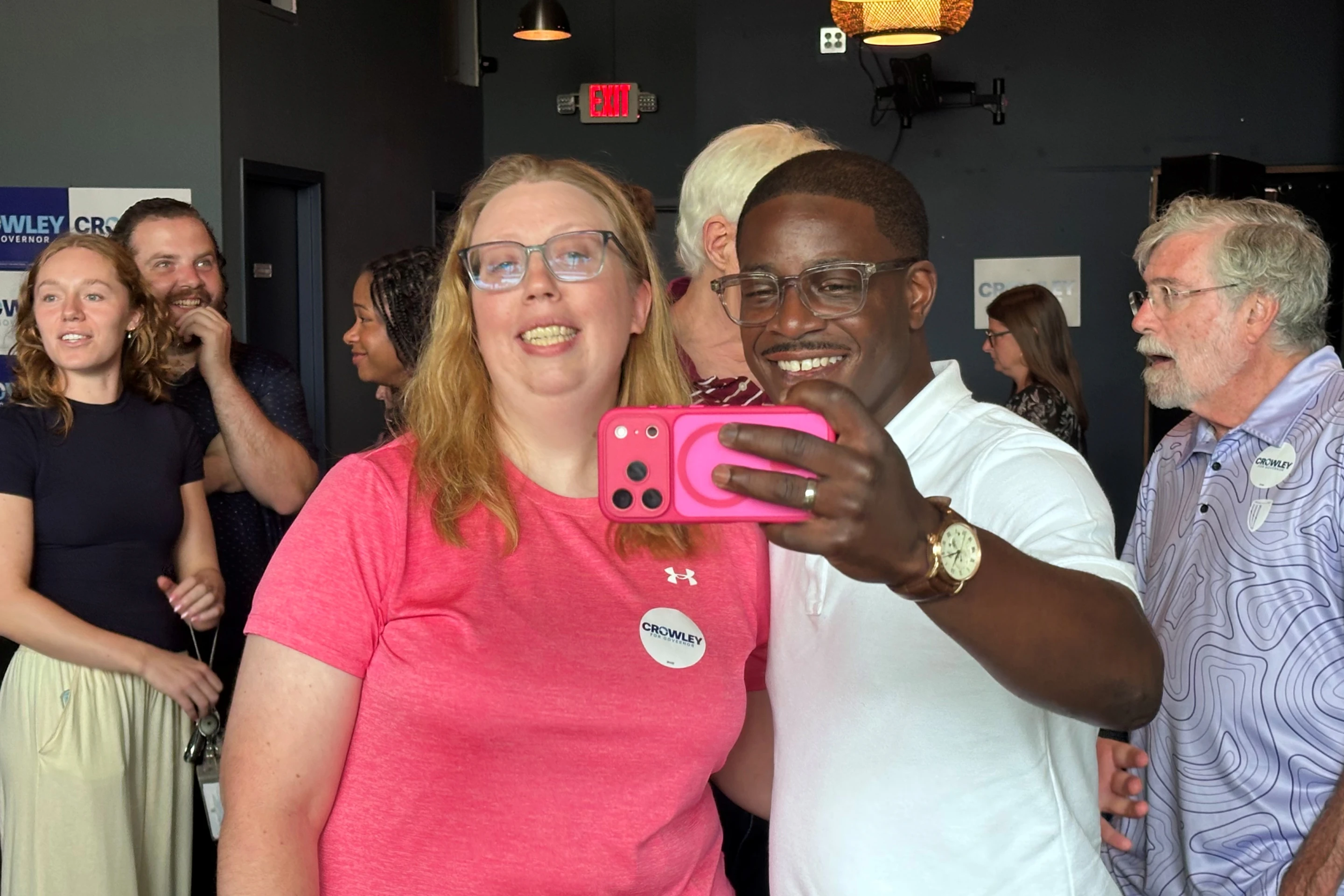
The Democratic Party’s internal debate over its future is moving from Michigan to Wisconsin, where voters are preparing to decide a closely watched gubernatorial primary that reflects a broader struggle between progressive activists and more traditional Democratic leaders. The contest comes after progressive candidate Abdul El-Sayed’s narrow victory in Michigan’s Democratic Senate primary, a result that intensified discussions about whether the party should move further left or focus on candidates seen as more broadly electable. In Wisconsin, the stakes extend beyond a single election. Democrats are using the race as a measure of voter priorities, campaign strategy and the direction the party should take heading into future contests. The outcome could provide clues about whether progressive messages are gaining strength among Democratic voters or whether concerns about general-election competitiveness remain dominant.
Moderates and Progressives Face Off Over Strategy
Wisconsin’s Democratic primary has become another battleground between two competing visions for the party. Moderate candidates argue that Democrats need candidates who can appeal to independent and swing voters, while progressives say the party must embrace stronger policy positions to energize its base. The disagreement reflects a national conversation inside the Democratic Party following several recent primary contests where outsider candidates challenged establishment-backed campaigns. Moderate Democrats have emphasized governance, experience and the ability to win competitive elections. Progressive candidates have focused on issues such as economic inequality, healthcare access and expanding government programs. Both sides argue that their approach offers the best path to defeating Republicans in closely contested states.
Michigan’s Progressive Victory Raises New Questions
Abdul El-Sayed’s victory in Michigan became a major moment for progressives because it challenged expectations about the strength of establishment-backed candidates. His campaign attracted support from progressive organizations and voters seeking a different direction for the party. The result has encouraged progressive activists who believe Democratic voters are increasingly interested in candidates who challenge traditional party leadership. However, some Democrats remain focused on questions of electability, particularly in competitive states where winning statewide races requires support beyond the party’s core voters. Wisconsin now provides another opportunity to test those competing arguments.
Wisconsin Holds Importance Beyond the Primary
Wisconsin remains one of the country’s most competitive political states, making statewide races there closely watched by both parties. The 2026 gubernatorial contest carries significance because Democrats are seeking to maintain influence while competing for broader control of state government. The state has frequently served as a political indicator because elections are often decided by narrow margins and shifts among suburban, rural and working-class voters can have major consequences. Democratic strategists see Wisconsin as a place where the party must balance enthusiasm among its base with the need to appeal to voters who decide close elections. Republicans are closely watching the Democratic primary, hoping internal divisions create opportunities in the general election.
The Debate Over What Wins Elections
At the center of the Democratic debate is a fundamental question: should the party prioritize ideological change or electoral pragmatism? Progressives argue that bold positions can inspire voters who feel disconnected from traditional politics. Moderates argue that elections are won by building broader coalitions and addressing concerns across the political spectrum. The debate has become increasingly important as Democrats analyze recent losses and victories across different regions of the country. Wisconsin’s primary will provide another data point in the party’s ongoing effort to determine which strategy can produce long-term success.
A Preview of the Democratic Party’s Future
The Wisconsin contest is unlikely to settle every disagreement within the Democratic Party, but it will offer another indication of where Democratic voters are heading. The results may influence candidate recruitment, campaign messaging and how party leaders approach future elections. As Democrats continue navigating tensions between progressive demands and moderate concerns, states like Wisconsin have become important testing grounds for the party’s identity. The broader question remains whether Democrats can unite different parts of their coalition while developing a strategy capable of winning competitive elections nationwide.