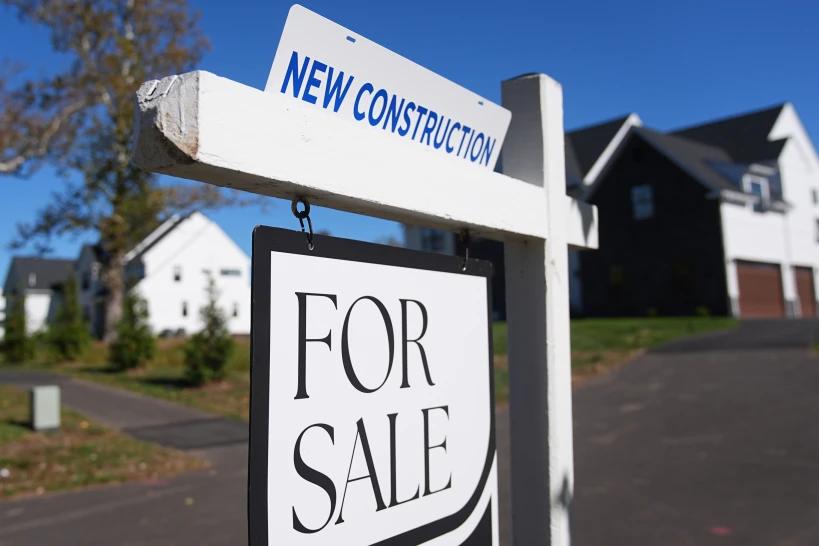
The average 30-year U.S. mortgage rate has increased to 6.58%, reaching its highest level in nearly a year and creating new challenges for homebuyers facing elevated borrowing costs.
Mortgage Rates Rise as Borrowing Costs Increase for Homebuyers
The average rate for a 30-year fixed mortgage in the United States has climbed to 6.58%, reaching its highest level in nearly a year and adding further pressure to the housing market. The increase represents a significant development for prospective homebuyers who have already been dealing with elevated home prices, limited inventory, and affordability challenges. Mortgage rates play a major role in determining monthly housing payments, and even small increases can significantly affect the amount buyers can afford. The latest rise reflects broader movements in financial markets, including changes in bond yields, inflation expectations, and investor outlook on future interest rate decisions. When mortgage rates increase, borrowing becomes more expensive, often reducing purchasing power for households and slowing activity in the housing market. Economists say higher rates can influence both buyers and sellers because homeowners with existing low-rate mortgages may be less willing to move, limiting available inventory. The increase to 6.58% highlights the continued uncertainty surrounding the path of interest rates and the broader economy. While mortgage rates remain below some recent peaks, they are still significantly higher than the historically low levels seen earlier in the decade. The latest movement has renewed concerns about housing affordability and whether potential buyers will continue delaying purchases until financing conditions improve.
Higher Rates Add Pressure to Already Challenging Housing Market
The rise in mortgage rates comes at a difficult time for the U.S. housing market, where many buyers are already facing affordability challenges. Home prices have remained elevated in many regions due to limited housing supply, strong demand, and years of insufficient construction in some markets. Higher borrowing costs make it more difficult for households to qualify for loans or maintain comfortable monthly payments. For many buyers, the combination of expensive homes and higher interest rates has reduced purchasing power compared with previous years. Real estate professionals say some potential buyers are waiting for mortgage rates to decline before entering the market, contributing to slower transaction activity. Sellers, meanwhile, are adjusting expectations as fewer buyers can afford current prices. The housing market has been experiencing a period of adjustment as participants respond to changing economic conditions. Builders are also monitoring mortgage rates closely because financing costs influence demand for new homes. Some developers have introduced incentives such as rate reductions or buyer assistance programs to attract customers. Analysts say the direction of mortgage rates will remain one of the most important factors shaping housing activity in the coming months. A sustained increase could further slow sales, while a decline could encourage more buyers to return to the market.
Federal Reserve Policy and Inflation Expectations Influence Rates
Mortgage rates are closely connected to broader financial conditions, including expectations for Federal Reserve policy and inflation trends. Although the Federal Reserve does not directly set mortgage rates, its decisions regarding short-term interest rates can influence financial markets and investor expectations. Mortgage rates are largely affected by movements in long-term Treasury yields, which respond to economic data, inflation outlook, and expectations about future monetary policy. When investors expect interest rates to remain higher for longer, mortgage rates often increase as lenders adjust pricing. Recent economic conditions have created uncertainty as policymakers continue evaluating inflation trends and economic growth. If inflation continues slowing, markets may anticipate future interest rate reductions, which could eventually provide relief for borrowers. However, concerns about persistent inflation or economic strength could keep borrowing costs elevated. The latest increase in mortgage rates reflects the ongoing balancing act between controlling inflation and supporting economic activity. Homebuyers, lenders, and real estate companies are closely watching central bank signals because changes in monetary policy can significantly affect housing conditions. The relationship between inflation, interest rates, and mortgage costs remains one of the most important factors influencing the U.S. housing market.
Homebuyers Adjust Strategies as Monthly Payments Increase
Rising mortgage rates are forcing many homebuyers to reconsider their purchasing strategies as monthly payments become more expensive. Some buyers are choosing smaller homes, expanding their search areas, increasing down payments, or delaying purchases until financing conditions improve. Others are exploring different mortgage products or negotiating more aggressively with sellers to manage higher costs. Financial advisers recommend that buyers carefully evaluate affordability rather than focusing only on qualifying for a loan. Higher monthly payments can affect household budgets, especially when combined with other expenses such as insurance, property taxes, and maintenance costs. First-time buyers are particularly affected because they often have fewer financial resources and may already face challenges saving for down payments. Real estate experts say affordability remains one of the biggest barriers preventing some households from entering the market. While demand has cooled compared with previous periods of rapid housing growth, many buyers remain interested and are waiting for better conditions. The future direction of mortgage rates will likely influence whether those buyers return more actively. For now, households are adapting to a higher-rate environment by making more careful financial decisions.
Housing Industry Watches Impact on Sales and Construction
The increase in mortgage rates is being closely monitored by real estate companies, homebuilders, lenders, and investors because of its potential impact on housing activity. Higher borrowing costs can reduce home sales, slow construction demand, and influence business decisions throughout the housing industry. Mortgage lenders may experience changes in loan demand as fewer buyers qualify for financing or choose to postpone purchases. Homebuilders are also evaluating market conditions as they decide how aggressively to develop new projects. Some builders have adjusted strategies by offering incentives designed to make financing more affordable for buyers. The construction industry is particularly sensitive to changes in interest rates because housing demand affects employment, materials suppliers, and related businesses. Economists say the housing market’s performance will depend heavily on the future path of mortgage rates, home prices, and consumer confidence. A prolonged period of higher rates could continue limiting activity, while improving affordability conditions could encourage stronger demand. The latest mortgage rate increase adds another challenge for an industry already navigating supply constraints and changing buyer behavior.
Future Mortgage Rate Direction Remains Key Market Question
The future direction of U.S. mortgage rates remains one of the biggest questions facing the housing market as buyers and businesses attempt to plan ahead. Economists are watching inflation data, labor market conditions, Federal Reserve decisions, and financial market movements for signals about where borrowing costs may go next. If economic conditions support lower interest rates, mortgage rates could gradually decline and improve affordability for buyers. However, continued inflation concerns or stronger-than-expected economic activity could keep rates elevated for longer. The current 6.58% average highlights the uncertainty facing consumers who are navigating a more expensive borrowing environment than in previous years. Despite higher rates, demand for housing remains supported by demographic trends and long-term need for homes. However, affordability remains the central challenge determining market activity. Industry experts say stability in mortgage rates could eventually help buyers and sellers adjust, even if rates remain above historical lows. As the housing market enters the next phase of adjustment, mortgage costs will continue playing a crucial role in shaping consumer decisions, real estate trends, and the broader U.S. economy.