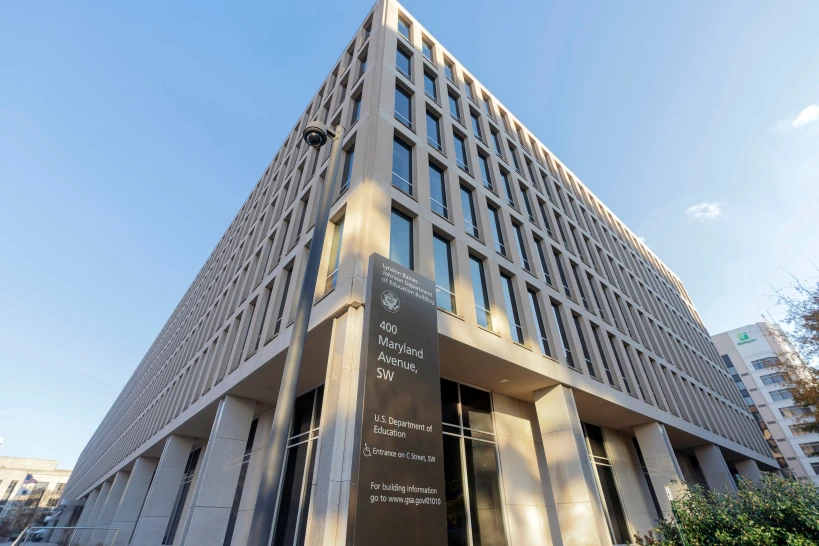
Thousands of student loan borrowers have entered default after pandemic-era repayment protections ended, creating new financial pressure for households and raising concerns about the impact on the broader economy.
Student Loan Defaults Rise After Repayment Protections Expire
A growing number of student loan borrowers have entered default after pandemic-era protections that temporarily paused payments and interest accumulation came to an end. The return to regular repayment obligations has created significant financial challenges for many borrowers who were already managing higher living costs, rising housing expenses, and uncertain economic conditions. During the pandemic, federal student loan payments were suspended for millions of borrowers, providing temporary relief as households faced widespread financial disruption. When those protections ended, borrowers were required to resume monthly payments, but many struggled to transition back into repayment. The increase in defaults highlights the ongoing challenges within the U.S. student loan system and the difficulties many households face in managing education debt. Borrowers who enter default can experience serious financial consequences, including damaged credit scores, wage garnishment risks, and restrictions on certain financial opportunities. Experts say the return to repayment has created a major test for borrowers who may have relied on the payment pause for several years. The situation also reflects broader economic pressures, including inflation, higher interest rates, and increased costs for essential goods and services. Policymakers and education officials are monitoring the impact as millions of borrowers navigate the post-pandemic student loan environment.
Borrowers Struggle With Higher Monthly Financial Obligations
Many student loan borrowers entering default have reported difficulty managing payments after years without required monthly obligations. The pandemic payment pause created a temporary break that allowed borrowers to focus on other financial priorities, but the transition back to repayment has been challenging for households with limited savings or unstable income. Some borrowers have experienced changes in employment, increased rent costs, medical expenses, or other financial pressures that make loan payments harder to maintain. Financial experts say borrowers who missed payments may not always understand the consequences or the available options for avoiding default. Federal repayment programs, income-based plans, and loan rehabilitation options exist to assist eligible borrowers, but navigating these programs can be complicated. Consumer advocates have urged borrowers to seek assistance early rather than allowing missed payments to continue. The increase in defaults demonstrates the importance of communication between loan servicers and borrowers during periods of financial stress. As more households face competing expenses, student loan payments have become another factor affecting overall financial stability. The situation has renewed discussions about whether the current repayment system provides enough flexibility for borrowers facing economic challenges.
Default Creates Long-Term Financial Consequences for Borrowers
Entering student loan default can create serious long-term financial consequences that extend beyond the immediate challenge of missed payments. Borrowers in default may face collection actions, additional fees, and damage to their credit history, making it more difficult to obtain mortgages, auto loans, or other forms of credit. For younger borrowers, the impact can affect major life decisions such as buying a home, starting a family, or building financial security. Experts say student loan defaults can have broader economic effects because financially stressed borrowers may reduce spending and delay major purchases. The issue is particularly significant because student debt represents one of the largest categories of household debt in the United States. While not all borrowers experience repayment difficulties, the increase in defaults highlights challenges faced by those with lower incomes or limited access to financial resources. Consumer groups argue that borrowers need clearer information about repayment options and stronger support systems to prevent unnecessary defaults. Policymakers continue debating how best to address student debt while balancing the interests of taxpayers, borrowers, and educational institutions. The latest increase in defaults has intensified discussions about the future of student loan policy.
Government Programs Aim to Help Struggling Borrowers
Federal officials have introduced and expanded programs designed to assist borrowers who are struggling to resume student loan payments. These efforts include income-driven repayment options, temporary relief measures, and programs intended to help borrowers recover from default. The goal of these initiatives is to provide pathways for borrowers to return to good standing while reducing the risk of severe financial consequences. However, many borrowers remain unaware of available assistance or face challenges understanding complex repayment rules. Education advocates say improving communication and simplifying enrollment processes could help more borrowers access support. The government has also worked with loan servicers to improve outreach and provide information about repayment alternatives. Despite these efforts, the scale of the student loan system creates significant administrative challenges. Millions of borrowers have different loan types, financial situations, and repayment histories, making a single solution difficult. Officials continue evaluating policies aimed at improving repayment outcomes while maintaining the long-term stability of federal student lending programs. The increase in defaults following the end of pandemic protections demonstrates the need for effective support systems that help borrowers manage their obligations.
Student Debt Becomes Major Economic and Political Issue
The rise in student loan defaults has renewed debate over the role of education debt in the U.S. economy and political landscape. Student loans have become a major issue because they affect millions of Americans and influence broader economic decisions. Policymakers disagree over the best approach, with some supporting expanded borrower protections and others emphasizing repayment responsibility and fiscal concerns. The discussion includes questions about college affordability, higher education costs, and the long-term structure of student lending. Economists say excessive student debt can affect household behavior by delaying home purchases, reducing consumer spending, and limiting financial mobility. At the same time, supporters of current lending systems argue that education remains an important investment that can improve career opportunities and lifetime earnings. The increase in defaults has brought renewed attention to whether existing policies adequately support borrowers while maintaining accountability. As lawmakers consider future reforms, student loan repayment will likely remain a significant economic issue. The debate reflects broader concerns about balancing access to education with sustainable financial outcomes for individuals and the economy.
Future of Student Loan Repayment Remains Uncertain
The future of the U.S. student loan system remains uncertain as officials, borrowers, and policymakers continue responding to the challenges created by the return to repayment. The increase in defaults after pandemic-era protections ended shows that many borrowers are still adjusting to the financial impact of resumed payments. Future policy decisions could influence how borrowers manage debt, how repayment programs operate, and how the government approaches student lending. Experts say long-term solutions may require addressing both repayment challenges and the rising cost of higher education itself. Without changes, some borrowers may continue facing difficulties as economic conditions evolve. The current situation highlights the complex relationship between education debt, household finances, and economic growth. As millions of borrowers continue navigating repayment, policymakers will face pressure to find solutions that support financial stability while maintaining responsible lending practices. The increase in defaults serves as a reminder that student debt remains one of the most important financial challenges facing American households.