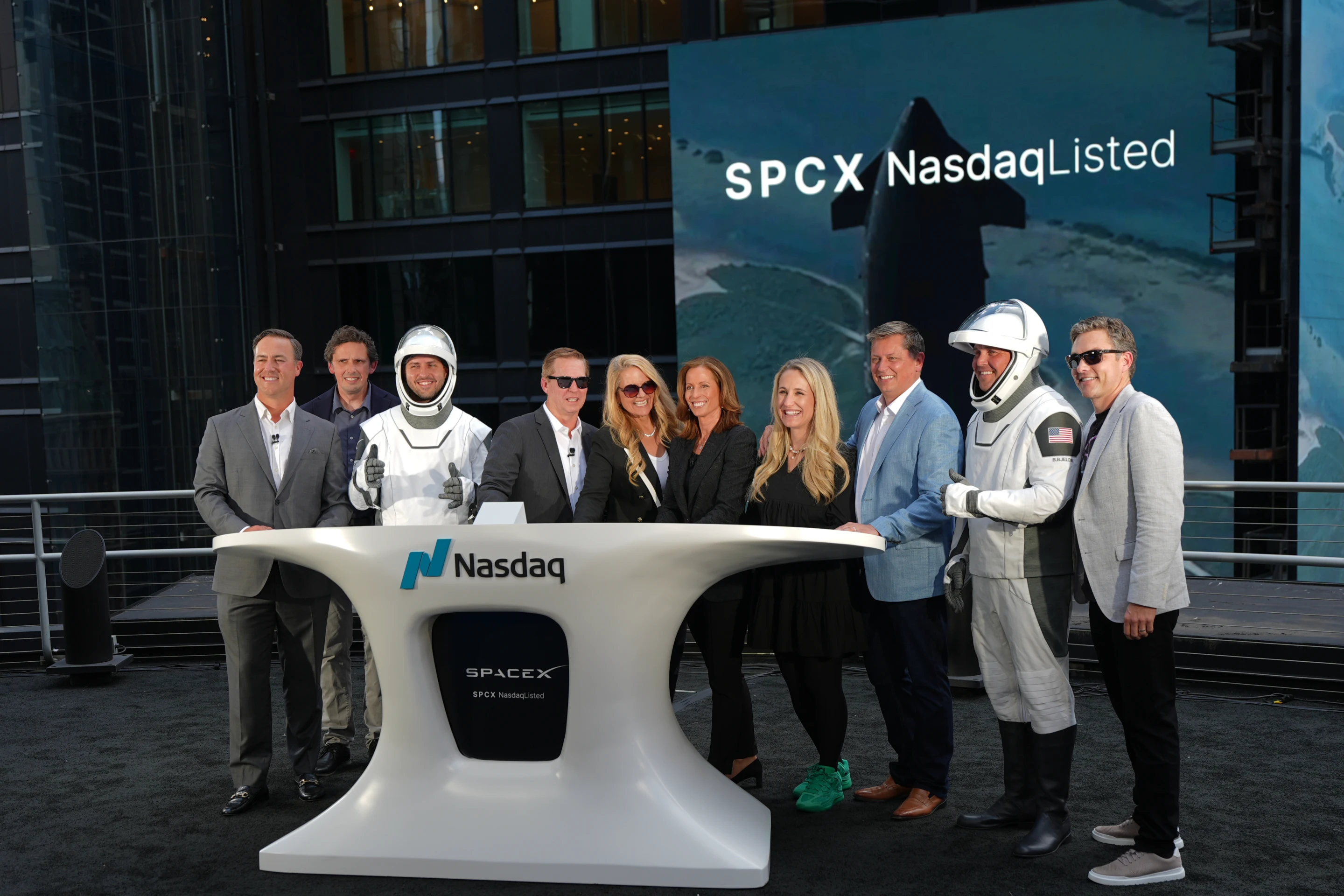
Artificial intelligence companies and private technology giants are reshaping investment markets, and even investors who avoid following AI trends may find their retirement accounts exposed through 401(k) funds.
AI Boom Reaches Retirement Accounts Through Market Exposure
The rapid growth of artificial intelligence companies is affecting investors far beyond those who actively follow technology markets, as many Americans may already have exposure to AI-related businesses through their 401(k) retirement accounts. Even investors who choose not to buy individual technology stocks may indirectly own shares of companies benefiting from artificial intelligence through workplace retirement funds, index funds, and diversified investment portfolios. The rise of AI-focused companies has become one of the biggest forces influencing global markets, with major technology firms investing billions of dollars in computing infrastructure, advanced chips, cloud platforms, and AI research. Companies connected to artificial intelligence have contributed significantly to market performance, meaning their success or decline can affect broad investment indexes commonly included in retirement plans. Many 401(k) participants do not select individual stocks but instead invest through mutual funds or exchange-traded funds that hold hundreds of companies. Because major technology firms represent large portions of many market indexes, changes in their valuations can influence retirement savings even for investors who are not specifically targeting AI investments. Financial experts say understanding this indirect exposure is important because retirement portfolios are often connected to broader market trends. The AI revolution is becoming not only a technology story but also an investment story affecting millions of workers preparing for retirement.
Technology Companies Become Major Drivers of Market Performance
Large technology companies have become some of the most influential components of major stock market indexes, making their performance important for retirement investors. Many 401(k) plans include funds that track broad indexes containing leading technology companies involved in artificial intelligence, cloud computing, semiconductors, and digital services. As AI investment has accelerated, companies building the infrastructure behind the technology have experienced significant increases in market attention and valuation. This growth has helped support overall market performance but has also created concerns about concentration risk. When a small group of companies represents a large share of an index, changes in those companies’ stock prices can have a noticeable effect on investors’ portfolios. Financial advisers say retirement investors should understand how their funds are structured and what industries they are exposed to. While technology exposure has contributed to strong returns in recent years, markets can experience periods of volatility when investor expectations change. The growing influence of AI companies demonstrates how technological trends can affect everyday investors, including those who are simply contributing regularly to employer-sponsored retirement plans. The connection between AI growth and retirement savings highlights the importance of diversification and long-term investment planning.
Private Space and AI Companies Attract Investor Attention
Companies involved in artificial intelligence, advanced computing, and private space technology have attracted significant investor interest as markets look toward future growth opportunities. Firms such as SpaceX have become examples of private companies operating at the intersection of technology innovation, aerospace, and data infrastructure. Although many private companies are not directly included in public stock indexes, their growth influences broader investment trends and investor expectations. The connection between emerging technologies and financial markets has become increasingly important as companies develop new industries and attract substantial capital. Investors often look for opportunities connected to major technological shifts, including artificial intelligence, automation, robotics, and space-based services. However, financial experts caution that excitement around transformative technologies can sometimes lead to high valuations and increased market risk. Retirement investors who gain exposure through diversified funds may benefit from long-term innovation trends, but they are also affected by market corrections when expectations become too optimistic. Understanding the relationship between emerging technologies and investment markets can help individuals make informed decisions about their retirement strategies. The influence of AI and other advanced technologies demonstrates how innovation can shape financial outcomes for investors worldwide.
401(k) Investors Often Own More Technology Than They Realize
Many retirement savers may be surprised by how much technology exposure exists within their 401(k) investments. A typical retirement portfolio often includes index funds or target-date funds that automatically invest in a broad range of companies based on market size and long-term growth expectations. Because technology companies have become some of the largest publicly traded businesses, they frequently represent significant portions of these funds. This means workers contributing to retirement accounts may benefit when technology markets perform well but may also experience losses during periods of technology-driven volatility. Financial advisers recommend that investors review fund holdings and understand how their savings are allocated across industries. Knowing what companies and sectors are included can help investors determine whether their portfolio matches their risk tolerance and retirement goals. While avoiding technology investments entirely may seem like a way to reduce risk, many diversified portfolios already include technology exposure because of the structure of modern markets. The rise of artificial intelligence has increased this connection, making it more important for investors to understand how economic trends influence retirement savings.
AI Market Growth Brings Both Opportunities and Risks
The expansion of artificial intelligence presents significant opportunities for businesses and investors, but it also introduces new risks that retirement savers should consider. AI-related companies may continue benefiting from increased demand for automation, computing power, and digital services, potentially creating long-term growth opportunities. However, rapid market increases can also lead to concerns about excessive valuations and investor expectations. If AI companies fail to deliver expected financial results, stock prices could experience significant adjustments. Retirement investors with exposure through broad market funds may feel the impact of these changes even if they are not directly investing in technology companies. Financial professionals generally recommend focusing on long-term strategies rather than reacting to short-term market movements. Diversification across different asset classes and industries remains one of the most common approaches for managing investment risk. The AI boom demonstrates how quickly new technologies can influence financial markets and everyday investment decisions. As artificial intelligence continues expanding, investors will need to consider both the potential benefits and challenges associated with technology-driven market growth.
Retirement Planning Requires Understanding Market Connections
The growing influence of artificial intelligence companies on financial markets highlights the importance of understanding how retirement investments are connected to broader economic trends. Workers saving through 401(k) plans often focus on consistent contributions and long-term goals, but market changes can still affect the value of their accounts. The rise of AI demonstrates that major technological developments can influence investments across the economy, including retirement portfolios. Financial advisers say investors do not need to become technology experts, but they should understand the basic structure of their investments and the risks involved. Reviewing asset allocation, diversification, and long-term objectives can help investors make more informed decisions. The relationship between AI companies, stock markets, and retirement savings shows how interconnected modern finance has become. Even investors who ignore technology headlines may still participate in the growth and volatility created by major innovations. As AI continues transforming industries, its impact will likely extend beyond technology companies and influence investment strategies for years to come.