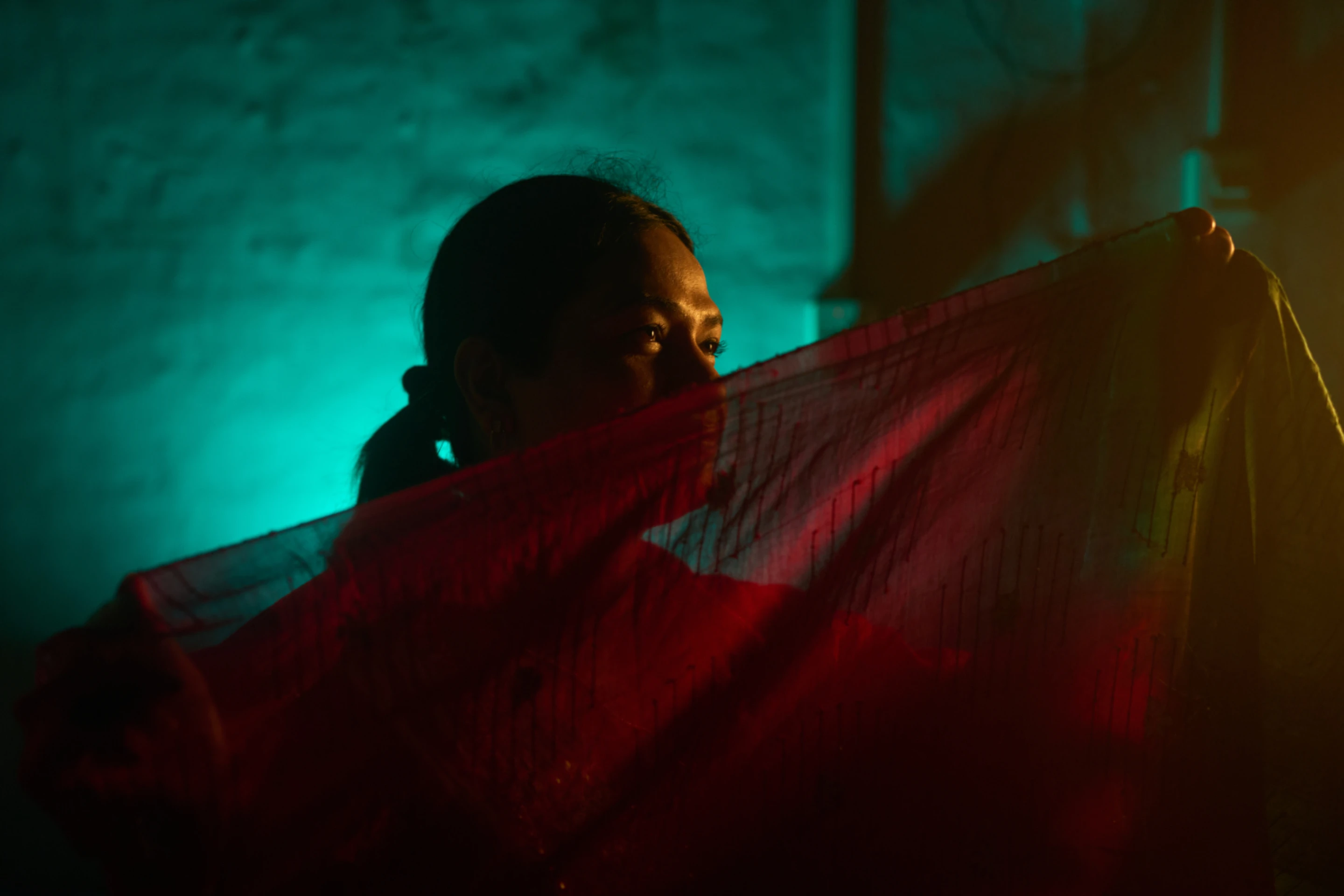
An investigation examines how cuts to U.S. foreign aid programs affected development workers in Nepal, with some women formerly employed in aid projects turning to sex work after losing critical sources of income and support.
Aid Program Cuts Leave Development Workers Searching for Survival
The reduction of U.S. foreign assistance programs has created severe economic challenges for aid workers in Nepal, with some former employees of humanitarian organizations reporting that the loss of stable jobs pushed them into extreme financial hardship. A reporter investigating the impact of USAID cuts found that women who once worked in community development, health and social programs were among those affected by funding reductions. After projects ended and employment opportunities disappeared, some former aid workers said they struggled to support themselves and their families. For many development workers, jobs funded through international aid programs provided reliable salaries, professional training and opportunities to support vulnerable communities. When those positions vanished, workers faced limited alternatives in regions where employment opportunities are scarce. The situation highlights the broader consequences of reductions in foreign assistance, where changes in international funding can affect not only beneficiaries of aid programs but also thousands of local workers employed through those initiatives.
Former Aid Workers Describe Financial Pressure and Difficult Choices
Women interviewed during the investigation described the difficult decisions they faced after losing employment connected to international aid projects. Some said they turned to informal work because they needed immediate income to cover essential expenses such as housing, food and education costs. Several former workers explained that their previous roles provided financial independence and social recognition within their communities. Losing those positions created both economic uncertainty and personal challenges. Researchers studying labor transitions after humanitarian funding cuts say women in developing countries can face disproportionate risks because they often have fewer employment options and limited access to financial support systems. The move from formal employment into vulnerable forms of work can expose individuals to additional risks, including exploitation, stigma and unsafe working conditions.
USAID Reductions Create Wider Challenges for Nepal’s Aid Sector
USAID has historically supported programs in Nepal focused on areas such as healthcare, education, agriculture, governance and community development. Funding reductions have affected organizations that relied on international assistance to operate projects and employ local staff. Aid organizations say cuts can create a chain reaction: when funding decreases, projects close, local employees lose jobs and communities lose access to services previously provided through those programs. Development experts argue that local workers are often overlooked in discussions about foreign aid because attention typically focuses on program recipients rather than the employees who deliver those services. The impact in Nepal demonstrates how international funding decisions can influence labor markets far beyond government agencies and large organizations, affecting individuals whose livelihoods depend on humanitarian projects.
The Hidden Human Cost Behind Foreign Aid Policy Decisions
The investigation reveals a less visible consequence of foreign aid reductions: the personal impact on workers who built careers around supporting development initiatives. While funding decisions are often evaluated through budgets and policy goals, local workers experience the changes through lost income and uncertainty. Experts say abrupt funding changes can leave communities without enough time to adjust, especially in countries where international organizations provide significant employment opportunities. Advocates for aid workers argue that future funding decisions should consider transition plans, worker protections and support mechanisms for people whose jobs depend on international programs. The experiences of former aid workers in Nepal illustrate how global policy decisions can reshape individual lives, particularly for women working in sectors already affected by economic inequality.
Calls for Greater Protection of Vulnerable Workers
Human rights organizations and labor advocates say additional support is needed for people who lose employment because of international aid reductions. They emphasize the importance of skills training, alternative employment opportunities and protection from exploitation. The transition from formal aid employment to insecure work highlights broader challenges facing workers in developing economies where social safety nets may be limited. Experts warn that without targeted assistance, vulnerable workers may be forced into unsafe conditions simply to meet basic financial needs. As Nepal and other aid-dependent countries navigate changes in international funding, the experiences of affected workers are drawing attention to the importance of considering the human consequences behind major policy decisions.