President Donald Trump says the United States will investigate European Union trade practices after criticizing what he described as 'unethical' fines imposed on Google, escalating tensions over digital regulation and transatlantic trade policy.
Trump Announces Review of EU Trade Practices
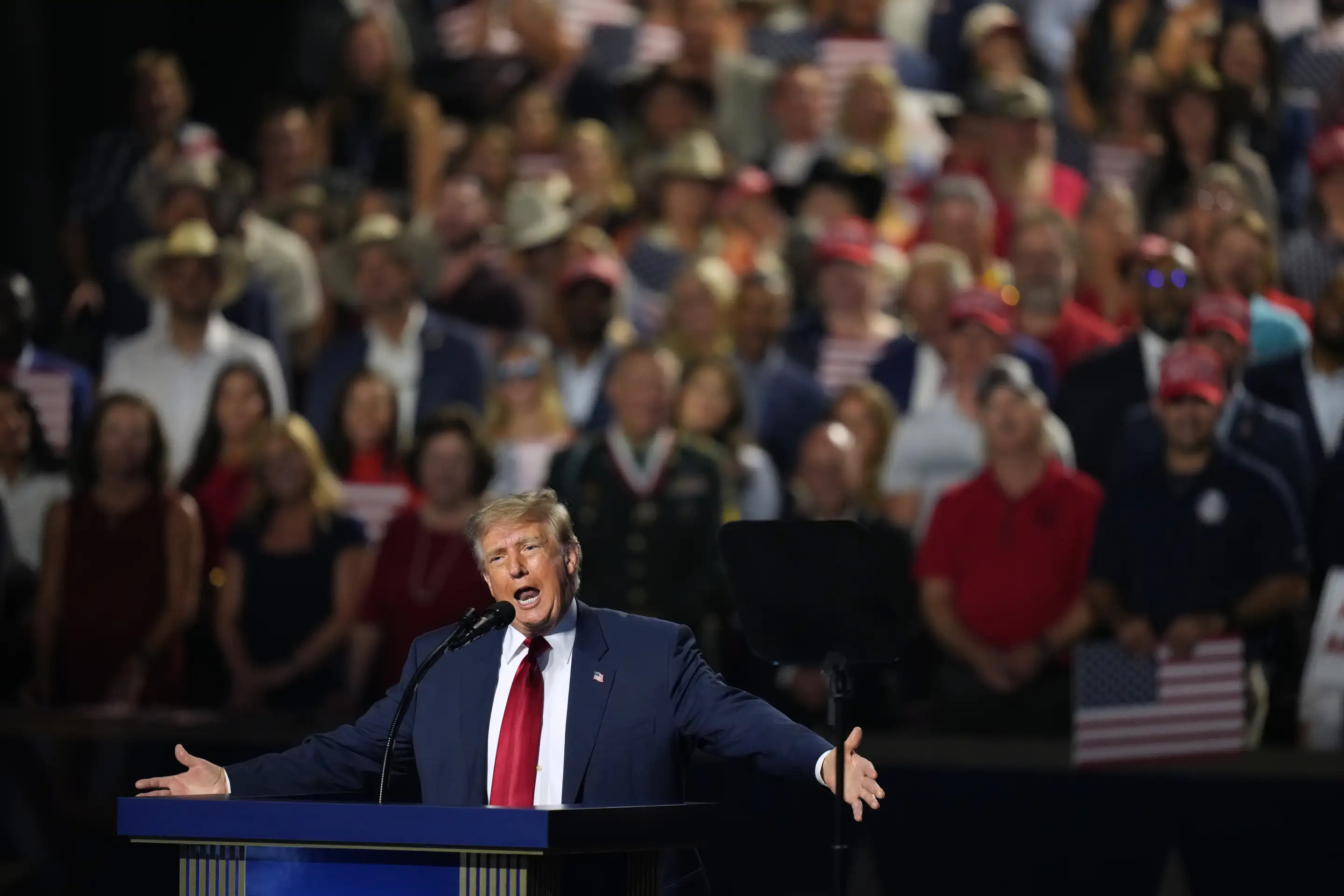
President Donald Trump announced that the United States will investigate European Union trade practices following his criticism of what he called 'unethical' financial penalties imposed on Google. Speaking during a public appearance, Trump argued that repeated regulatory actions against major American technology companies warrant closer scrutiny by U.S. trade officials. He stated that the administration intends to examine whether the EU's enforcement actions unfairly target U.S.-based businesses and whether they conflict with principles of fair international trade. The announcement marks a new phase in the long-running dispute between Washington and Brussels over digital regulation, competition policy, and the treatment of multinational technology firms. Administration officials indicated that relevant federal agencies would evaluate available evidence and determine whether further trade measures or formal consultations with European authorities are appropriate. While no immediate policy actions were announced, the statement has already attracted attention from technology companies, investors, and international trade observers monitoring the evolving relationship between the United States and the European Union.
EU Competition Enforcement Under Scrutiny
The European Union has for years maintained an active competition enforcement programme aimed at ensuring fair market practices within the bloc. European regulators have investigated several major technology companies over issues including competition law, digital advertising, app marketplaces, search services, and online platforms. EU officials have consistently argued that enforcement decisions are based on established legal standards applied equally to all companies operating within the European market, regardless of their country of origin. Trump's comments, however, suggest the U.S. administration may view certain regulatory actions as having broader trade implications. Trade specialists noted that disputes involving digital markets increasingly overlap with international trade policy as governments seek to balance competition enforcement, consumer protection, and support for domestic industries. European officials have not indicated any change to their regulatory approach, maintaining that independent competition authorities operate separately from political considerations.
Google and Technology Sector Watch Closely
Google and other major technology companies are expected to closely monitor any U.S. investigation into European trade practices, as the outcome could influence future regulatory relationships between American firms and European authorities. Large technology companies have faced growing regulatory oversight in multiple jurisdictions concerning market competition, data privacy, digital advertising, artificial intelligence, and platform governance. Industry analysts said that any formal investigation by the United States could become an important factor in future negotiations involving digital trade, cross-border investment, and international regulatory cooperation. Investors also reacted cautiously to the announcement, recognizing that prolonged trade disputes involving the technology sector may create additional uncertainty for multinational companies operating across global markets. Business organizations have generally encouraged continued dialogue between U.S. and European officials to avoid unnecessary escalation while preserving stable commercial relationships.
Trade Experts Assess Potential Implications
International trade experts noted that the investigation could have implications extending beyond Google if it results in broader discussions regarding digital trade policies and regulatory practices. Analysts explained that governments increasingly view technology regulation as both an economic and strategic issue, particularly as digital services become central to international commerce. Depending on the scope of the review, U.S. officials may examine whether existing trade agreements adequately address modern digital markets and whether additional protections for American companies should be considered. Legal specialists emphasized that any formal trade action would likely require extensive economic analysis, consultation with affected industries, and consideration of existing international trade obligations. Experts also pointed out that previous disputes between the United States and the European Union have often been resolved through negotiations rather than prolonged trade conflicts. Nevertheless, the announcement signals that digital regulation will remain an important topic in future transatlantic economic discussions.
Markets Monitor US-EU Economic Relations
Financial markets and multinational corporations are closely following developments because the United States and the European Union maintain one of the world's largest trading relationships. Any escalation in regulatory or trade disputes involving major technology firms could influence investor sentiment, corporate planning, and future cross-border investment decisions. Market analysts observed that technology companies generate significant revenue in both jurisdictions, making regulatory certainty important for long-term business planning. Investors are also evaluating whether the investigation could affect future policy discussions on digital taxation, competition rules, data governance, and artificial intelligence regulation. While officials from both sides have expressed support for continued economic cooperation, the latest announcement introduces another issue requiring diplomatic engagement between Washington and Brussels. Business groups continue to encourage constructive negotiations that protect fair competition while avoiding measures that could disrupt international commerce.
Investigation Expected to Develop in Coming Months
Federal agencies are expected to determine the scope of the proposed investigation in the coming months, including which European regulatory actions will be reviewed and whether additional consultations with European authorities will take place. Trade lawyers expect investigators to analyse competition decisions, regulatory frameworks, market impacts, and relevant provisions of international trade law before making any policy recommendations. European officials are also likely to continue defending their competition enforcement system as independent and consistent with established legal principles. Analysts believe the review will become an important component of broader discussions surrounding technology regulation, international trade, and economic cooperation between the United States and the European Union. Although the investigation remains in its early stages, governments, technology companies, investors, and international business organizations are expected to monitor developments closely as both sides seek to balance regulatory oversight with stable transatlantic commercial relations.