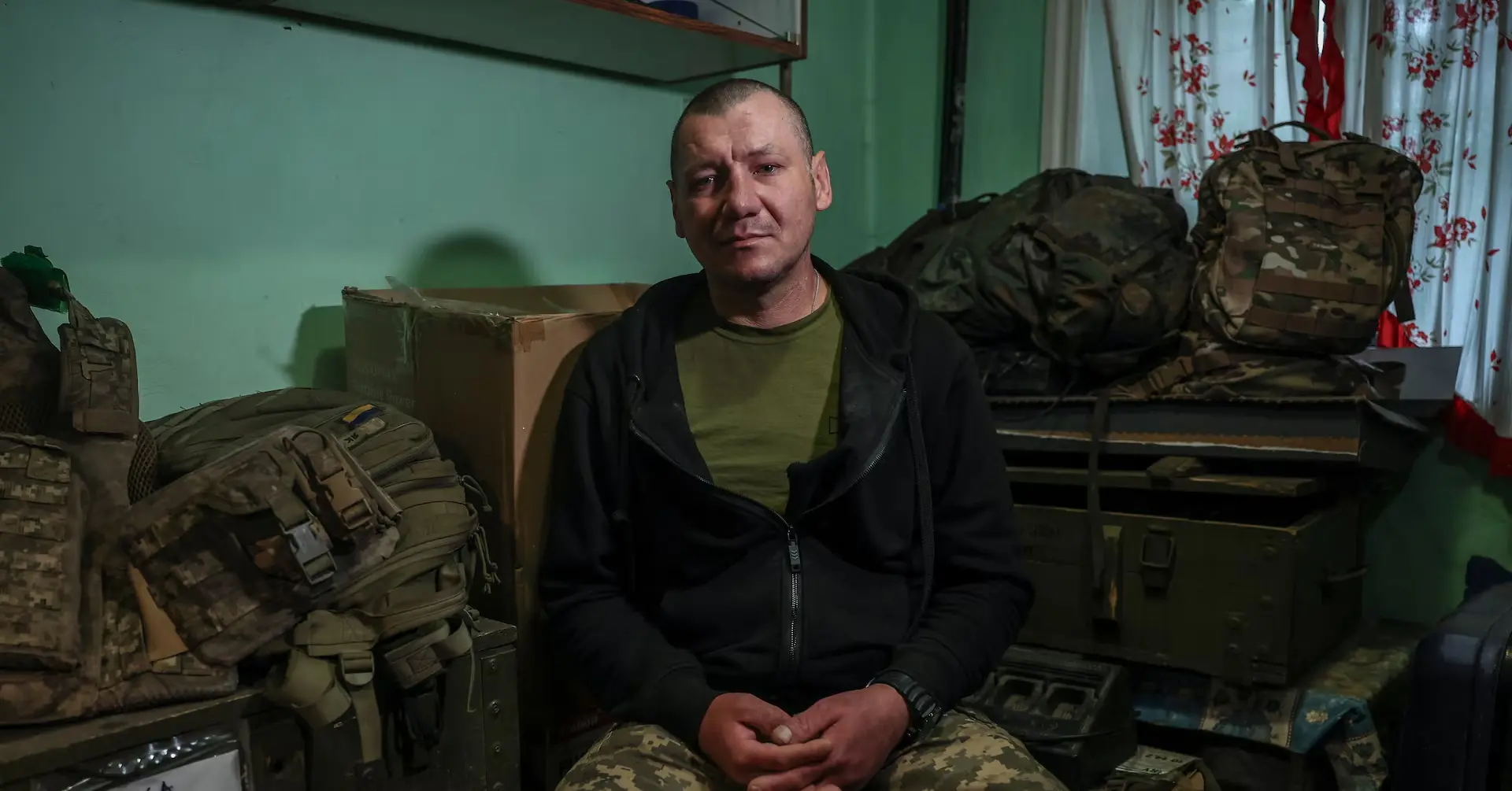
After spending nearly a year living beneath the front lines in eastern Ukraine, one soldier's story illustrates the harsh realities of trench warfare, relentless drone attacks, and the psychological endurance required to survive one of Europe's longest-running conflicts. ([apnews.com](https://apnews.com/article/ukraine-russia-war-foxhole-frontline-soldier-2026?utm_source=chatgpt.com))
Life Underground on the Front Line
For nearly twelve months, a Ukrainian infantry soldier lived almost entirely beneath the battlefield in a cramped underground foxhole carved into the earth along one of the war's most heavily contested front lines. Hidden beneath layers of soil, timber, and camouflage, the shelter became both a refuge and a prison as constant Russian artillery bombardments, drone surveillance, and infantry assaults made movement above ground increasingly dangerous. ([apnews.com](https://apnews.com/article/ukraine-russia-war-foxhole-frontline-soldier-2026?utm_source=chatgpt.com)) The soldier described a daily routine defined by survival rather than comfort. Every sound carried potential danger—from incoming artillery shells to the buzzing of reconnaissance drones overhead. Meals were often cold, supplies arrived irregularly, and sleep came only in short intervals interrupted by explosions and radio communications. The underground shelter offered limited protection against shrapnel but little relief from the psychological strain of continuous combat. Modern trench warfare has become a defining feature of the Russia-Ukraine conflict, with extensive networks of defensive positions stretching across hundreds of kilometres. Unlike the rapid manoeuvre warfare many expected early in the invasion, large sections of the battlefield have evolved into fortified positions where soldiers may remain deployed for extended periods. Military commanders say these defensive systems are essential for protecting troops from increasingly sophisticated surveillance technologies, precision-guided artillery, and unmanned aerial vehicles that monitor nearly every movement above ground.
Constant Threats From Artillery and Drones
The soldier's greatest challenge was not a single major battle but the relentless accumulation of daily dangers. Russian artillery routinely targeted Ukrainian positions while reconnaissance drones searched continuously for signs of movement that could reveal troop locations. Even brief trips outside the shelter to collect supplies or repair defensive positions carried substantial risk. Small first-person-view (FPV) drones have transformed modern battlefield tactics by allowing operators to identify and strike individual trenches, vehicles, and personnel with remarkable precision. Both Ukrainian and Russian forces now rely heavily on drones for reconnaissance, targeting, and direct attacks, making concealment more important than ever before. According to military analysts, underground shelters and reinforced foxholes have become indispensable defensive structures because they reduce visibility from aerial surveillance while providing some protection against shell fragments and nearby explosions. Nevertheless, no position is completely safe when subjected to sustained bombardment. The soldier recalled that surviving often depended on discipline, patience, and teamwork. Every movement required careful planning, while communication with neighbouring positions remained critical for warning of incoming attacks or coordinating defensive operations. The constant exposure to danger demanded continuous alertness, even during periods when active combat temporarily subsided.
Psychological Endurance Becomes as Important as Physical Survival
Living underground for months imposed an enormous psychological burden. Isolation from family, limited contact with the outside world, and the repetitive nature of trench life created mental challenges that often matched the physical dangers of combat. Soldiers described losing track of time as days blended into weeks beneath the surface. Military psychologists have increasingly emphasised the importance of mental resilience among frontline personnel. Continuous exposure to explosions, uncertainty, sleep deprivation, and the loss of fellow soldiers can contribute to chronic stress, anxiety, and symptoms associated with post-traumatic stress disorder. The Ukrainian soldier credited comradeship within the unit as one of the most important factors in maintaining morale. Shared responsibilities, routine conversations, and mutual support helped counter feelings of isolation despite the difficult conditions. Simple activities—such as preparing meals, maintaining equipment, or receiving messages from home—became important emotional anchors amid the uncertainty of war. Commanders also rotated personnel whenever operational conditions allowed, though prolonged deployments remained common because of the intensity of fighting. Mental health specialists note that recovery from prolonged frontline service often continues long after soldiers leave combat zones, requiring sustained medical and psychological support.
Trench Warfare Defines the Current Phase of the Conflict
The experience of soldiers living in underground shelters reflects the broader evolution of the Russia-Ukraine war. Extensive trench systems, fortified defensive lines, anti-tank obstacles, minefields, and drone surveillance have reshaped military operations across large sections of eastern and southern Ukraine. Both Ukrainian and Russian forces have invested heavily in defensive fortifications designed to withstand prolonged engagements. Engineers continuously reinforce trenches with timber, concrete, steel, and underground bunkers capable of protecting personnel during artillery bombardments. Military experts compare certain aspects of the conflict to trench warfare seen during the First World War, although today's battlefield is heavily influenced by modern technologies including satellite imagery, electronic warfare, precision-guided weapons, and unmanned aerial systems. The combination of historic defensive tactics with advanced surveillance technology has created one of the most complex battlefield environments in recent military history. The soldier's account illustrates how frontline troops have adapted to these conditions, spending extended periods underground while conducting surveillance, defending positions, and responding to repeated attacks. Such deployments require logistical support, engineering expertise, and extraordinary physical endurance. Despite technological advances, individual soldiers remain central to holding defensive positions along contested sections of the front.
A Story Reflecting Thousands of Frontline Experiences
Although the soldier's experience is deeply personal, military officials say it mirrors the reality faced by thousands of Ukrainian service members deployed along the front. Long periods spent in trenches, underground shelters, and fortified positions have become a defining aspect of the conflict as neither side has achieved a decisive breakthrough across much of the battlefield. The human cost of prolonged warfare extends beyond casualties, affecting soldiers' physical health, mental wellbeing, and family relationships. Months spent underground expose personnel to harsh weather, limited sanitation, disrupted sleep, and constant psychological pressure. International humanitarian organisations continue documenting the broader impact of the conflict on civilians and military personnel alike while urging continued support for humanitarian assistance and medical care. At the same time, diplomatic efforts to secure lasting peace remain difficult as fighting persists across multiple sectors of the front. For the Ukrainian soldier, surviving nearly a year beneath the front lines represented not only a military achievement but also a testament to resilience under extraordinary conditions. His experience offers a rare glimpse into the daily realities of a conflict that has fundamentally reshaped modern warfare. As the war continues, stories like his underscore the extraordinary endurance required of those serving on the front lines and highlight the human dimension behind one of Europe's most consequential conflicts in decades. ([apnews.com](https://apnews.com/article/ukraine-russia-war-foxhole-frontline-soldier-2026?utm_source=chatgpt.com))