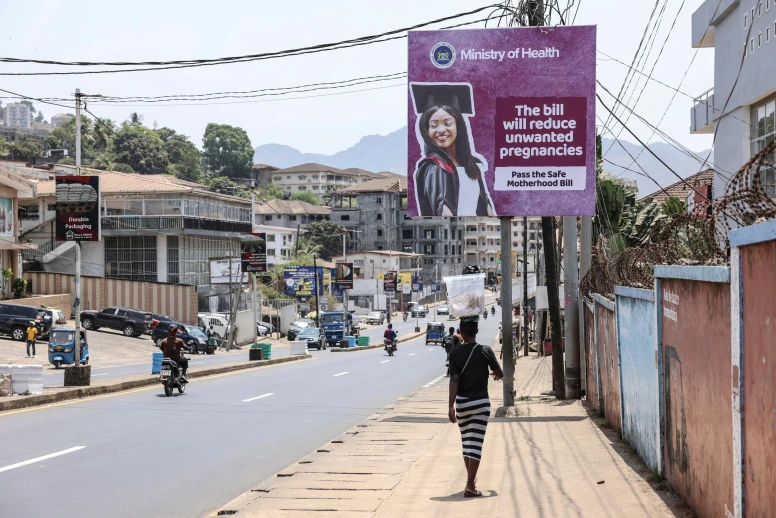
An investigation examines how changes in U.S. abortion-related foreign policy and funding restrictions are affecting healthcare providers and women across Africa, where advocates warn limited access to reproductive health services is contributing to preventable deaths.
U.S. Policy Changes Reshape Reproductive Healthcare Across Africa
A renewed U.S. campaign against abortion access abroad has intensified debates over global health funding, with healthcare providers and advocates in Africa warning that restrictions on reproductive health programs are placing additional pressure on already limited medical systems. Organizations working across African countries say changes in U.S. foreign assistance policies have affected clinics that provide reproductive healthcare services, including contraception, maternal health support and medical counseling. Some providers argue that reduced funding and restrictions on the use of aid money have made it more difficult to maintain essential services. The debate reflects a long-running divide over the role of U.S. foreign policy in global reproductive healthcare. Supporters of abortion restrictions argue that American taxpayer funds should not support abortion-related services overseas, while opponents say such policies reduce access to broader healthcare and increase risks for women. Health experts say the consequences are often felt most strongly in areas where healthcare systems already face shortages of doctors, medical supplies and emergency services.
Healthcare Workers Report Rising Challenges in Rural Communities
Medical workers in several African countries have reported growing challenges as clinics struggle to maintain services amid funding uncertainty. In rural communities, where access to hospitals and trained healthcare professionals is limited, disruptions can have serious consequences. Providers say women facing pregnancy complications often require timely medical attention, and delays in receiving care can increase the risk of severe health outcomes. Advocates argue that restricting certain reproductive health programs can affect a wider range of services beyond abortion care. International health organizations have warned that maternal health remains a major challenge in parts of Africa, where preventable complications during pregnancy and childbirth continue to affect women disproportionately. Healthcare professionals emphasize that access to accurate medical information, emergency treatment and qualified providers plays a critical role in reducing maternal deaths.
Supporters and Critics Clash Over U.S. Global Abortion Policy
The expansion of U.S. policies restricting abortion-related assistance has generated strong reactions from both supporters and critics. Conservative groups supporting the restrictions argue that the United States should not finance programs that provide or promote abortion services overseas. Opponents argue that the policies have broader effects on international healthcare programs because many organizations that provide reproductive services also offer contraception, HIV prevention, maternal care and other medical support. The disagreement centers on whether foreign aid policies should focus narrowly on abortion restrictions or maintain broader healthcare programs that address women's health needs. Diplomatic and health officials continue to debate how international assistance can balance political priorities with public health objectives.
Advocates Warn of Unsafe Alternatives and Increased Risks
Public health advocates say limited access to reproductive healthcare can push some women toward unsafe alternatives, particularly in regions where legal and medical services are difficult to access. They argue that when women cannot obtain timely healthcare information or professional medical support, complications can become more dangerous. Advocates also highlight concerns about the impact on vulnerable populations, including women living in poverty or remote areas. Opponents of expanded abortion access dispute these claims and argue that improving healthcare infrastructure, rather than increasing abortion services, should remain the priority. The ongoing policy debate reflects broader disagreements over how governments, international organizations and communities should address women's healthcare needs.
The Global Impact of U.S. Foreign Policy Decisions
The controversy surrounding U.S. abortion policies abroad demonstrates how decisions made in Washington can have consequences far beyond American borders. Foreign aid programs often support networks of healthcare providers that serve millions of people in developing countries. Experts say changes to international funding require careful evaluation because health systems may depend on long-term partnerships and predictable resources. Sudden shifts can affect staffing, medical supply chains and the availability of critical services. As the United States continues to shape its global health strategy, African healthcare providers and advocacy groups are calling for greater attention to the real-world effects of funding decisions on women and families. The debate over abortion policy remains deeply political, but health workers on the ground say the immediate challenge is ensuring that women receive safe, reliable medical care regardless of where they live.