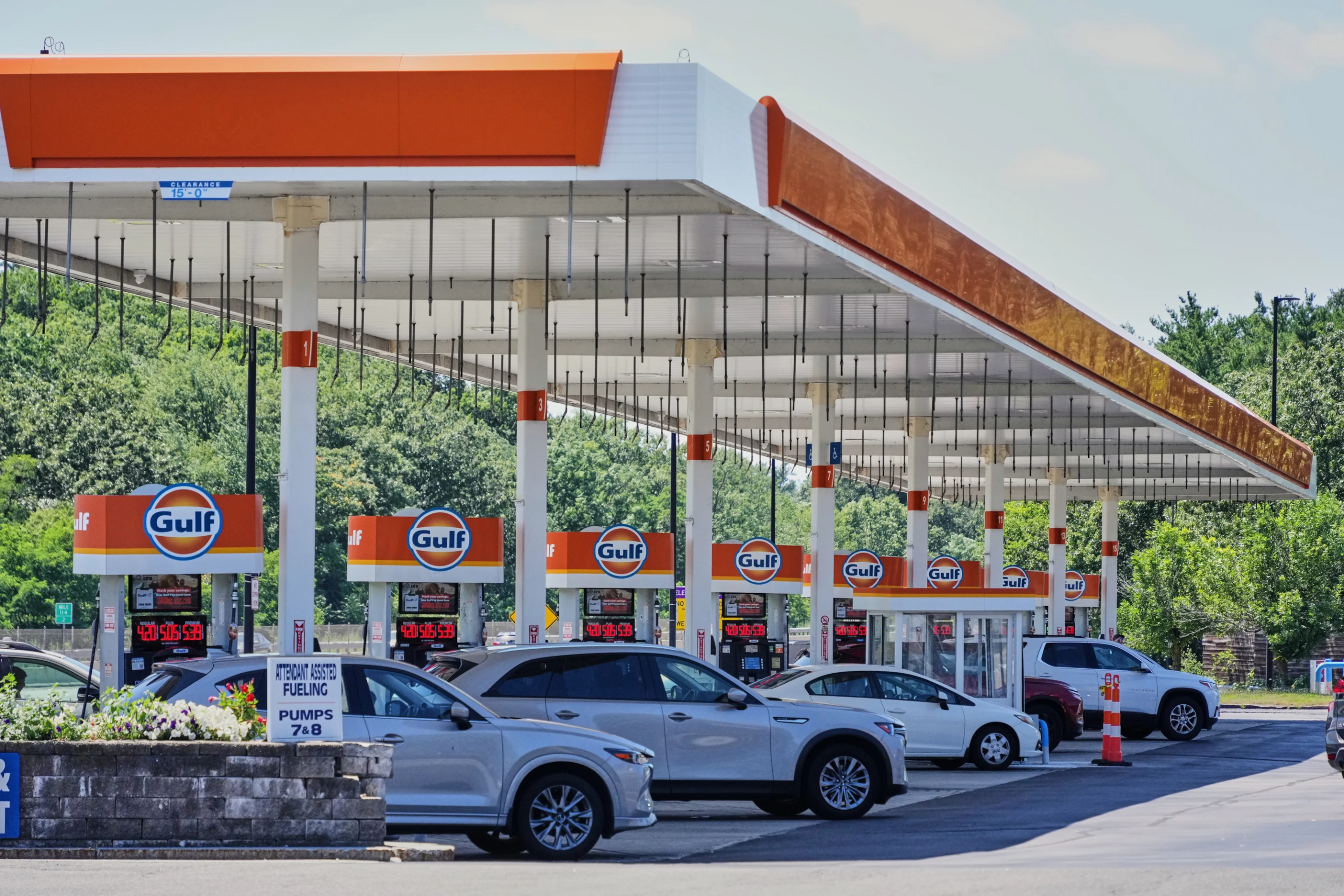
Rising oil prices could begin affecting everyday consumer expenses, with gasoline, groceries, and back-to-school products among the categories where shoppers may notice higher costs.
Higher Oil Prices Could Reach Everyday Consumer Expenses
Rising oil prices are creating concerns that consumers could soon see higher costs across everyday categories, including gasoline, groceries, and back-to-school items. While crude oil prices are influenced by global supply and demand factors, their impact often spreads throughout the economy because energy is a key input for transportation, manufacturing, and distribution. When oil prices increase, businesses often face higher costs to move products, operate equipment, and maintain supply chains. These additional expenses can eventually affect the prices consumers pay at stores and service providers. Gasoline is typically one of the first areas where households notice changes because fuel prices respond quickly to movements in crude oil markets. However, the impact of higher oil prices can extend far beyond the gas station. Grocery products, household goods, and school supplies may also become more expensive if companies face increased transportation and production costs. Economists say the extent of price increases depends on how long oil prices remain elevated and whether businesses absorb costs or pass them on to customers. The latest concerns come as many households are already managing higher expenses for housing, food, and other necessities. As families prepare for the back-to-school shopping season, changes in fuel and transportation costs could influence budgets and spending decisions.
Gasoline Prices Often React Quickly to Oil Market Changes
Gasoline prices are among the most visible ways consumers experience changes in global oil markets. Crude oil represents a major portion of the cost involved in producing gasoline, meaning increases in oil prices can eventually lead to higher prices at fuel stations. The impact is particularly noticeable for households that depend on vehicles for commuting, school transportation, and daily activities. Higher gasoline costs can affect family budgets by increasing monthly transportation expenses and reducing the amount of money available for other purchases. Businesses are also affected because transportation companies, delivery services, and logistics providers depend heavily on fuel. When operating costs rise, some companies adjust prices to cover additional expenses. Analysts say gasoline prices are influenced by several factors, including crude oil prices, refining costs, seasonal demand, and regional supply conditions. While oil price increases do not always translate immediately into higher fuel prices, sustained increases often create upward pressure. Consumers typically respond by changing driving habits, comparing fuel prices, or reducing discretionary spending. For many households, gasoline remains an important indicator of broader inflation trends because changes at the pump can influence perceptions of the overall economy.
Grocery Costs Could Rise Through Supply Chain Pressure
Higher oil prices can affect grocery prices by increasing the cost of transporting food from farms and manufacturers to stores. The modern food supply chain depends heavily on fuel for farming equipment, shipping, trucking, refrigeration, and distribution networks. When energy costs increase, businesses involved at every stage of the process may experience higher operating expenses. These costs can eventually influence the prices consumers see on grocery shelves. Products that travel long distances or require significant transportation resources may be especially affected. Farmers may also face higher costs for equipment, fertilizers, and other supplies connected to energy markets. Retailers must then decide whether to absorb increased expenses or adjust prices to maintain profitability. Economists say grocery prices are influenced by many factors, including weather conditions, labor costs, supply availability, and consumer demand, meaning oil prices are only one part of the overall picture. However, sustained increases in energy costs can add additional pressure to food markets. Families already dealing with elevated grocery bills may become more selective about purchases, compare prices more frequently, and adjust shopping habits. The connection between oil markets and grocery costs demonstrates how global economic changes can eventually affect everyday household decisions.
Back-to-School Shopping Faces Additional Cost Concerns
Families preparing for the back-to-school shopping season may face additional financial pressure if higher oil prices contribute to increased costs for school-related products. Items such as clothing, backpacks, electronics, notebooks, and classroom supplies often depend on complex manufacturing and transportation networks. Many products are produced in different regions and shipped through multiple stages before reaching consumers. Higher fuel costs can increase expenses throughout this process, potentially affecting final retail prices. Retailers typically prepare for the back-to-school season months in advance, but unexpected increases in transportation and production costs can influence pricing strategies. Parents already managing household budgets may need to make careful decisions about where and when to shop. Some consumers may look for discounts, purchase fewer items, or spread purchases over time to manage expenses. Businesses are also monitoring consumer behavior because back-to-school spending represents an important retail period. Analysts say the impact of oil prices on school shopping will depend on the duration of energy market changes and how companies manage costs. While oil prices are not the only factor affecting retail prices, they can contribute to broader inflation pressures that influence household spending.
Businesses Evaluate How Much of the Cost to Pass On
Companies across industries are closely evaluating how to respond to higher energy costs as they balance profitability with customer demand. Businesses often face a difficult decision when operating expenses increase: whether to absorb additional costs or pass them on through higher prices. Large companies may have more flexibility to manage temporary cost increases, while smaller businesses may face greater challenges. Transportation companies, manufacturers, retailers, and food producers are among the industries most exposed to energy price changes. Some businesses attempt to reduce costs through efficiency improvements, supplier negotiations, or alternative transportation strategies. Others adjust prices gradually to avoid negatively affecting customers. Economists say businesses are currently operating in an environment where consumers remain sensitive to price increases. After years of inflation concerns, shoppers are paying closer attention to household expenses and looking for value. Companies must carefully balance the need to maintain margins with the risk of losing customers. The impact of higher oil prices will depend largely on how businesses adapt and whether energy costs remain elevated over an extended period.
Consumers Watch Oil Prices as Inflation Concerns Continue
The potential impact of higher oil prices comes as consumers continue watching inflation trends and adjusting their spending habits. Energy costs have historically played an important role in shaping economic confidence because they affect both household budgets and business operations. When fuel and transportation costs rise, consumers often become more cautious about discretionary spending. The latest concerns about gasoline, groceries, and back-to-school expenses highlight how global commodity markets can influence everyday financial decisions. Economists say the overall effect will depend on whether oil prices remain elevated or experience a temporary increase. If higher prices continue, businesses and households may face additional pressure. If energy markets stabilize, some cost concerns could ease over time. Policymakers also monitor oil prices closely because energy costs can influence inflation measurements and economic policy decisions. For consumers, the best strategy is often careful budgeting, comparing prices, and planning purchases in advance. As global energy markets continue changing, households and businesses will remain sensitive to how oil prices affect the broader economy. The connection between crude oil and everyday expenses shows how closely financial markets are linked to daily life.