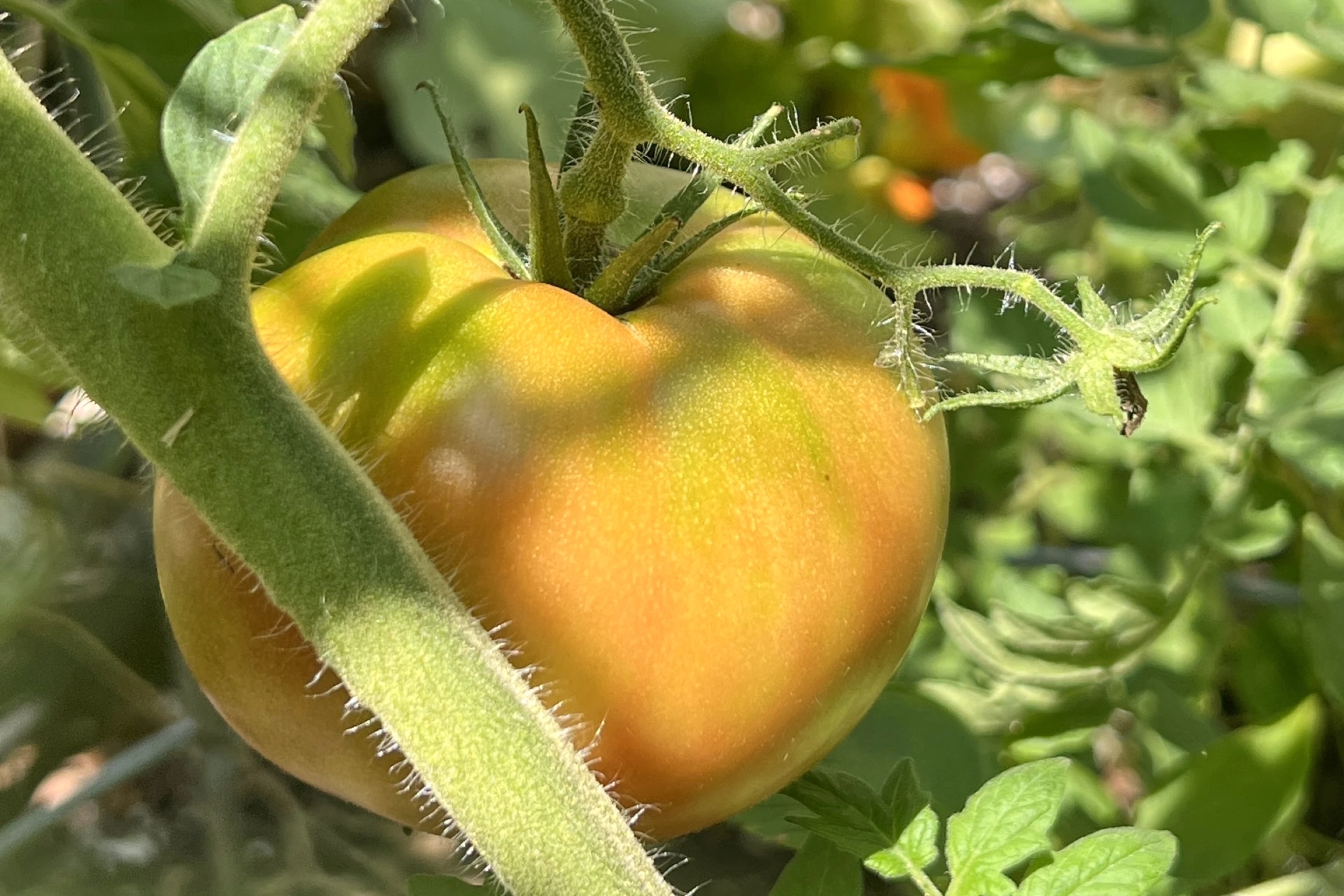
Leaving vegetables in the garden beyond their ideal harvest window can reduce flavor, texture and nutritional quality while encouraging pests and slowing future production. Gardening experts explain why timing matters for a healthier and more productive harvest. ([apnews.com](https://apnews.com/article/overripe-vegetables-garden-harvest-tips-2026?utm_source=chatgpt.com))
Harvest Timing Is Essential for Healthy Crops
One of the most common mistakes home gardeners make is allowing vegetables to remain on the plant long after they have reached peak maturity. While it may seem harmless to let tomatoes ripen a little longer or leave zucchini to grow larger, experts say delayed harvesting can reduce quality, limit future production and even increase the risk of disease. According to gardening specialists, every vegetable has an ideal harvest window when its flavor, texture and nutritional value are at their best. Harvesting during this period not only improves the eating experience but also encourages many plants to continue producing throughout the growing season. ([apnews.com](https://apnews.com/article/overripe-vegetables-garden-harvest-tips-2026?utm_source=chatgpt.com)) Plants naturally shift their energy toward seed production once fruits fully mature. When gardeners regularly harvest ripe vegetables, the plant receives a signal to continue flowering and producing additional crops instead of ending its reproductive cycle. This simple practice can significantly extend harvests from vegetables such as beans, cucumbers, peppers and squash. Regular harvesting also allows gardeners to identify pest or disease problems earlier, making it easier to protect the rest of the crop before serious damage occurs.
Overripe Vegetables Lose Quality Quickly
Many vegetables undergo noticeable changes once they remain on the plant beyond their ideal picking stage. Cucumbers often become oversized, develop thick skins and produce large, bitter seeds. Zucchini can grow into giant squash with coarse flesh and reduced sweetness, while beans become stringy and tough as seeds mature inside the pods. Leafy vegetables such as lettuce, spinach and arugula may begin 'bolting,' producing flowering stalks that cause leaves to become bitter and less tender. Root vegetables left in the ground too long can become woody, fibrous or split as environmental conditions change. Tomatoes may crack after heavy rainfall if left fully ripe on the vine, while peppers can soften or become vulnerable to sunscald and insect damage. Although many overripe vegetables remain edible, their flavor, texture and cooking quality often decline significantly. Gardening experts recommend checking vegetable plants every few days during peak growing season because warm weather can accelerate ripening, shortening the ideal harvest window considerably.
Delayed Harvests Can Attract Pests and Disease
Leaving mature vegetables in the garden can create ideal conditions for insects, rodents and plant diseases. Overripe fruits often develop small cracks or soft spots that allow fungi and bacteria to enter, leading to rot that may spread to nearby produce. Insects such as fruit flies, beetles and caterpillars are attracted to aging vegetables, while larger pests including squirrels, rabbits and birds frequently target fully mature crops. Rotting vegetables left beneath plants may also encourage slugs, snails and other garden pests that thrive in moist organic matter. Garden sanitation plays an important role in preventing these problems. Removing damaged, diseased or overripe produce promptly helps reduce breeding sites for pests while improving air circulation around plants. Healthy harvesting practices can therefore contribute to overall garden health as much as proper watering or fertilization. Monitoring crops regularly allows gardeners to identify signs of infestation early, reducing the likelihood that pests or diseases will spread throughout the growing area.
Frequent Picking Encourages More Production
Many popular garden vegetables are naturally programmed to continue producing flowers and fruit as long as mature vegetables are harvested consistently. Beans, cucumbers, zucchini, okra and many pepper varieties respond particularly well to frequent picking, often producing additional harvests over several weeks or even months. When mature vegetables remain on the plant, energy shifts toward seed development rather than new flowering. As a result, the plant gradually slows production because its biological goal of reproduction has already been achieved. Regular harvesting interrupts this process, encouraging continuous flowering and extending the growing season. Gardeners who harvest every few days often enjoy higher total yields than those who wait until vegetables become oversized. Smaller vegetables are frequently more tender and flavorful, making regular harvesting beneficial for both crop quality and overall productivity. Experienced gardeners often carry a basket during daily garden walks, collecting ripe produce while simultaneously inspecting plants for weeds, pests and watering needs.
A Simple Routine Leads to Better Harvests
Successful vegetable gardening depends as much on observation as it does on planting and watering. Establishing a regular harvesting routine allows gardeners to enjoy vegetables at their peak while keeping plants healthy and productive throughout the growing season. According to gardening experts, checking the garden every two or three days during periods of rapid growth is often enough to prevent vegetables from becoming overripe. ([apnews.com](https://apnews.com/article/overripe-vegetables-garden-harvest-tips-2026?utm_source=chatgpt.com)) Gardeners are encouraged to learn the ideal harvest size and appearance for each vegetable they grow rather than relying solely on age or calendar dates. Factors such as temperature, rainfall and sunlight can influence growth rates, making visual inspection the most reliable guide. Harvesting with clean, sharp tools, handling produce gently and storing vegetables promptly after picking also helps preserve freshness and nutritional quality. Combined with proper watering and soil care, timely harvesting remains one of the simplest yet most effective ways to maximize both yield and flavor. By understanding when vegetables reach their peak, gardeners can enjoy healthier plants, better-tasting produce and a more rewarding growing season from spring through autumn.