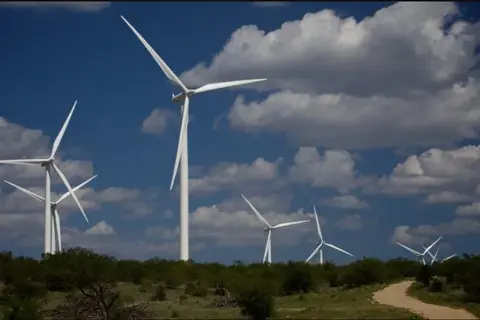
An opinion analysis argues that continued support for wind energy projects can strengthen Texas’ power grid, create economic opportunities and provide long-term energy benefits despite ongoing debates about renewable energy.
Wind Energy Has Become Part of Texas’ Energy Future
Texas has long been recognized as an energy leader, and wind power has become an important part of the state's evolving electricity system. Supporters argue that continued investment in wind energy projects can provide long-term benefits by expanding energy supply, supporting jobs and improving grid reliability. The growth of wind energy reflects Texas’ ability to adapt to changing energy demands. While the state remains one of the largest producers of oil and natural gas, renewable sources have become an increasingly important part of the energy mix. Advocates say maintaining a diverse energy portfolio helps protect consumers from supply disruptions and changing fuel prices. By supporting multiple energy sources, Texas can strengthen its ability to meet future electricity needs. The debate over wind energy is not only about environmental policy but also about economic strategy, infrastructure planning and energy security.
Wind Projects Bring Economic Benefits to Texas Communities
Wind energy projects have created economic opportunities in many rural areas of Texas. Construction, maintenance and related industries provide jobs while landowners can benefit from agreements connected to wind development. Supporters argue that renewable energy investments bring new sources of revenue to communities that may have limited economic opportunities. Local governments can also benefit from increased economic activity associated with large infrastructure projects. The wind industry has contributed to the growth of manufacturing, transportation and technical jobs connected to renewable energy development. Economic experts say energy investments often have effects beyond power generation because they influence employment, local businesses and regional development.
A More Diverse Grid Can Improve Energy Security
Texas has experienced periods of intense pressure on its electricity system, especially during extreme weather events when demand increases significantly. Supporters of wind energy argue that expanding energy sources can reduce dependence on any single fuel type. Wind power can provide additional electricity generation during certain periods when other energy sources face challenges. Combined with natural gas, solar power, battery storage and grid improvements, renewable energy can contribute to a more flexible system. Critics have raised concerns about the intermittent nature of wind generation, arguing that reliability requires dependable backup systems. Energy experts generally emphasize that a balanced grid requires careful planning, transmission upgrades and multiple forms of generation. The discussion highlights the importance of building an energy system capable of handling future demand growth.
Debate Continues Over Costs and Challenges
Wind energy development has faced criticism from some lawmakers, industry groups and residents concerned about land use, transmission costs and the reliability of renewable power. Opponents argue that renewable projects should be evaluated carefully to ensure they provide value to consumers and do not create unnecessary costs for taxpayers or electricity users. Supporters respond that every energy source has challenges and that investments in infrastructure, technology and grid management can address many concerns. The debate reflects a broader national discussion about how to balance affordability, reliability and long-term energy goals.
Texas’ Energy Choices Will Shape the Future
The decisions Texas makes about energy development will influence the state’s economy and infrastructure for decades. As electricity demand grows due to population increases, industrial expansion and new technologies, policymakers must consider how to meet future needs. Supporters of wind energy argue that abandoning renewable projects would limit economic opportunities and reduce flexibility in the state’s energy strategy. They believe continued investment in wind power, alongside traditional energy sources, can help Texas maintain its position as a leading energy producer. The future of Texas energy will likely depend on innovation, balanced planning and the ability to combine different sources to meet the needs of a growing state.