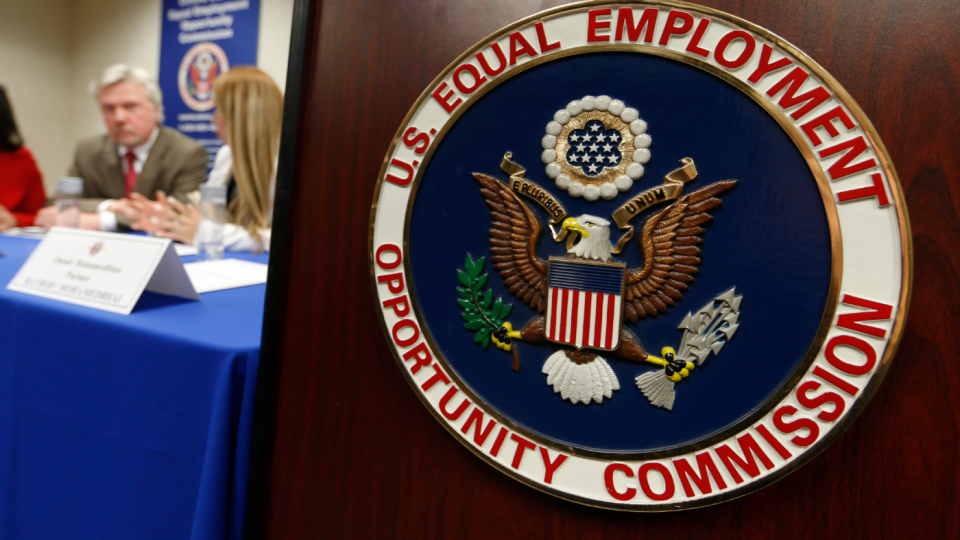
Changes to the Equal Employment Opportunity Commission under the Trump administration have reignited debate over the agency's use of demographic data, workplace discrimination enforcement and the future of federal civil rights oversight.
A New Direction for the EEOC
The Equal Employment Opportunity Commission (EEOC), the federal agency responsible for enforcing workplace anti-discrimination laws, has become the subject of renewed political debate following changes in priorities under the Trump administration. Critics argue that decisions to reduce or eliminate certain demographic data collection and to shift enforcement priorities weaken the agency's ability to identify patterns of workplace discrimination. Supporters of the changes, however, contend that the EEOC should focus on investigating individual complaints and ensuring equal treatment under the law rather than relying heavily on demographic reporting requirements. The disagreement reflects broader ideological differences over the role of federal agencies in monitoring employment practices and promoting civil rights protections.
Why Demographic Data Matters
For decades, demographic information collected from employers has helped researchers, regulators and policymakers identify disparities in hiring, promotions, compensation and workforce representation. Supporters of comprehensive reporting argue that aggregated data allows investigators to detect systemic discrimination that may not be apparent from individual complaints alone. Civil rights organizations maintain that trends across industries can reveal structural barriers affecting women, racial and ethnic minorities, older workers, individuals with disabilities and other protected groups. Critics of reducing these reporting requirements argue that without reliable demographic data, enforcement agencies may find it more difficult to prioritize investigations or evaluate whether existing anti-discrimination laws are achieving their intended objectives.
Arguments for a Different Enforcement Approach
Supporters of the administration's approach argue that federal employment law is designed to protect individuals from unlawful discrimination rather than to guarantee particular demographic outcomes. They contend that requiring extensive demographic reporting can impose administrative costs on employers while encouraging agencies to evaluate workplaces primarily through statistical disparities rather than evidence of unlawful conduct. According to this perspective, the EEOC should concentrate its resources on investigating credible complaints, enforcing existing civil rights statutes and ensuring that every employee receives equal treatment regardless of race, sex, religion, age, disability or national origin. Proponents also argue that simplifying reporting requirements may reduce regulatory burdens without diminishing the agency's legal authority to investigate discrimination claims.
The Broader Civil Rights Debate
The disagreement surrounding the EEOC reflects a larger national conversation about how civil rights laws should be enforced. Some legal scholars believe demographic data remains an essential tool for identifying systemic discrimination and informing public policy. Others caution that statistical imbalances alone do not necessarily establish unlawful discrimination and should not replace individualized legal analysis. Courts have long recognized that employment discrimination cases often require both statistical evidence and specific factual findings, making the role of demographic information an important but sometimes contested element of enforcement. As administrations change, enforcement priorities frequently evolve, even though the underlying anti-discrimination statutes enacted by Congress remain in force.
Balancing Enforcement, Accountability and Public Confidence
The future direction of the EEOC will continue to influence employers, employees and policymakers alike. Questions surrounding demographic reporting, regulatory oversight and civil rights enforcement are likely to remain central issues as workplace diversity, equal opportunity and employment practices continue to evolve. While critics argue that reducing demographic data collection could make systemic discrimination more difficult to detect, supporters believe a narrower focus on individual legal violations better reflects the agency's statutory mission. Ultimately, the effectiveness of any enforcement strategy will be judged by its ability to protect workers' legal rights, maintain public confidence in federal civil rights institutions and ensure that employment decisions are made fairly and in accordance with federal law. The ongoing debate underscores the challenges of balancing regulatory efficiency, individual rights and evidence-based enforcement within one of the nation's principal workplace civil rights agencies.