Elon Musk's public statements have repeatedly sparked accusations of promoting or amplifying racist rhetoric, raising broader questions about the responsibilities of influential figures, the role of social media platforms, and society's tolerance for controversial speech.
A Debate That Extends Beyond One Individual
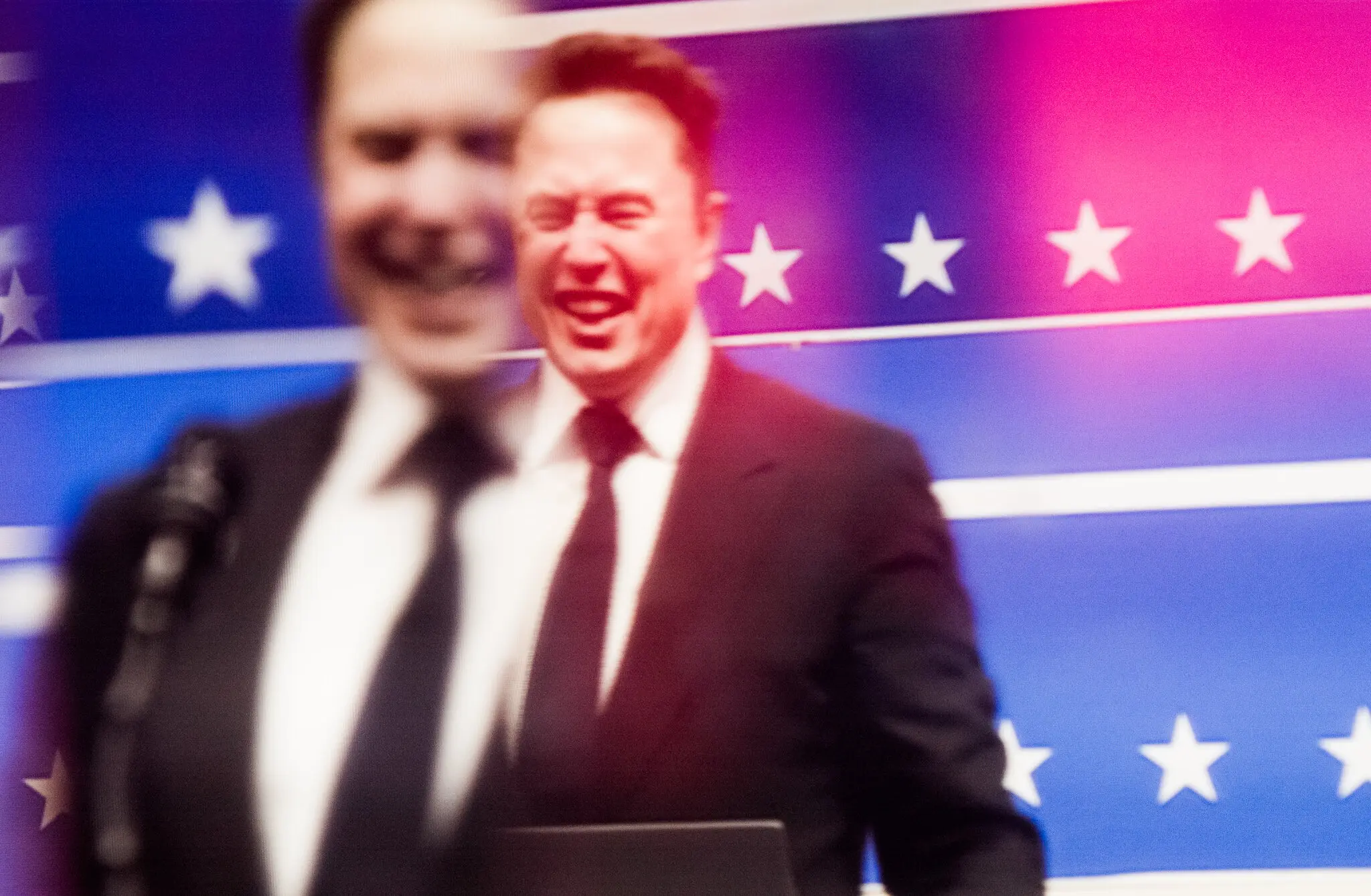
Elon Musk's public presence extends far beyond his roles as the chief executive of Tesla and SpaceX. As the owner of the social media platform X and one of the world's most influential entrepreneurs, his comments routinely shape online conversations, political debates and news cycles. Over the past several years, a number of Musk's posts and interactions have drawn criticism from civil rights organizations, academics and political leaders, who argue that some of his statements have amplified racist narratives or engaged with accounts promoting discriminatory views. Supporters, however, contend that Musk is exercising his right to free expression, challenging prevailing narratives, or commenting on politically contentious issues. The resulting debate reflects broader societal questions about where the line should be drawn between protected speech, public responsibility and the influence wielded by individuals with enormous global audiences.
Critics Point to Patterns Rather Than Isolated Incidents
Those who criticize Musk argue that the controversy is not limited to a single post or remark but instead reflects a broader pattern of online engagement. Advocacy groups have cited instances in which Musk has interacted with or reposted content that they say echoes racist stereotypes or lends credibility to accounts associated with extremist viewpoints. Critics argue that even when such content is later clarified or removed, the initial amplification can expose millions of users to harmful narratives. They also contend that influential figures have a heightened responsibility because their words can shape public attitudes and legitimize ideas that might otherwise remain on the fringes of public discourse. From this perspective, the concern is less about intent and more about the real-world impact that high-profile online communication can have.
Supporters Raise Concerns About Free Expression
Musk's supporters reject claims that he promotes racism, arguing instead that many of his statements are taken out of context or interpreted through a political lens. They maintain that he frequently discusses issues relating to immigration, crime, culture and public policy that are inherently controversial but remain legitimate subjects of public debate. Supporters also argue that social media platforms should permit a wide range of viewpoints, even when those views provoke strong disagreement. From this perspective, criticism directed at Musk represents an attempt to suppress unpopular opinions rather than a genuine response to discriminatory rhetoric. They emphasize that accusations of racism should be based on clear evidence rather than disagreement over political or cultural positions.
The Influence of Powerful Voices in the Digital Age
Regardless of where one stands in the debate, Musk's influence illustrates how social media has transformed public communication. A single post from a high-profile individual can reach tens of millions of users within minutes, influence financial markets, dominate news coverage and shape political conversations around the world. This level of reach raises difficult questions about accountability. Should influential public figures be held to higher standards than ordinary users? Should platform owners face additional scrutiny when moderating content while simultaneously participating in political debate? These questions extend beyond Musk and apply to celebrities, politicians, business leaders and media personalities whose online activity can significantly influence public opinion.
Balancing Accountability and Open Debate
The controversy surrounding Elon Musk ultimately reflects a broader societal challenge rather than one confined to a single individual. Democratic societies generally seek to protect freedom of expression while also opposing discrimination and hate speech. Balancing these principles becomes increasingly complex when influential public figures make statements that some interpret as legitimate political commentary and others view as harmful or discriminatory. The discussion is likely to continue as social media platforms remain central to public discourse and as questions surrounding platform governance, content moderation and corporate leadership evolve. Whether one believes Musk's comments cross the line or fall within the bounds of protected expression, the debate underscores the continuing tension between free speech, public responsibility and the impact that influential voices can have on modern society.