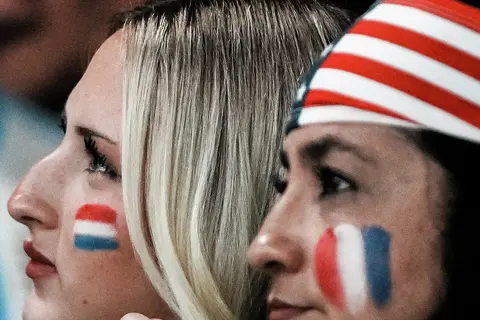
While Houston celebrated its role as a host city for the World Cup with global attention and major events, some residents say the tournament’s benefits did not reach every community across the city.
A Global Celebration With Unequal Local Benefits
Houston became one of the major American cities to experience the excitement of the FIFA World Cup, welcoming international visitors, major matches and a surge of global attention. For many residents, the tournament represented a historic moment and an opportunity to showcase the city’s diversity. However, the celebration did not reach every Houstonian equally. Some communities that expected economic benefits and long-term improvements say they saw limited impact from the event. While businesses near major venues experienced increased activity, residents in other parts of the city questioned whether the investment connected with the tournament improved their daily lives. The contrast has sparked a broader discussion about who benefits from large international sporting events and whether host cities deliver lasting advantages to all residents.
Small Businesses Look for a Lasting Impact
Many local businesses hoped the World Cup would bring new customers, increased revenue and opportunities to connect with visitors from around the world. Restaurants, hotels, transportation companies and entertainment venues near event locations reported increased demand during the tournament period. However, some small business owners said the benefits were concentrated in specific areas while neighborhoods farther away experienced little change. Community advocates argue that major events should include stronger plans to support locally owned businesses and ensure economic opportunities extend beyond the immediate areas surrounding stadiums and fan zones.
Housing and Infrastructure Concerns Remain
The World Cup also renewed conversations about Houston’s infrastructure challenges, including transportation, housing affordability and neighborhood investment. Large sporting events often require significant public spending on improvements, security and transportation systems. Supporters argue that these investments can create long-term benefits for cities, while critics question whether the advantages reach communities most in need. Some Houston residents have raised concerns that major projects connected to global events can increase costs and accelerate changes in neighborhoods without providing enough support for longtime residents. The debate reflects challenges faced by many host cities preparing for international sporting events.
Communities Seek More Inclusive Development
Local leaders and community organizations say the success of a major event should be measured not only by attendance numbers and international attention but also by its impact on residents. They argue that investments should include affordable housing initiatives, neighborhood improvements, workforce opportunities and support for communities that historically receive fewer resources. Advocates say Houston’s diversity was one of the city’s greatest strengths during the World Cup and that future planning should ensure more residents benefit from global events. The discussion has increased calls for greater community involvement in decisions about large-scale developments.
The Challenge of Turning a Tournament Into a Legacy
Cities around the world often promote major sporting events as opportunities for transformation, but creating a lasting legacy can be difficult. The World Cup brought Houston international recognition, tourism and a chance to showcase its culture. The challenge now is determining how those benefits can continue after the final matches are completed. Urban experts say successful host cities must focus on long-term planning rather than short-term excitement. For many Houston residents, the true measure of the tournament’s success will be whether improvements continue after the global spotlight moves elsewhere.
A Conversation About Who Gets Included
The World Cup highlighted Houston’s ability to host a global event, but it also exposed questions about inclusion and opportunity. Supporters point to the tournament as a moment of pride and international recognition. Critics argue that major events must do more to address inequality and ensure communities across the city share in the benefits. The debate reflects a larger issue facing cities worldwide: how to balance global ambitions with local needs. For Houston, the legacy of the World Cup may ultimately depend on whether the excitement translates into meaningful improvements for all residents.