Political leaders from the United States and abroad paid tribute to the late Senator Lindsey Graham, remembering him as a distinctive figure in American politics whose influence on foreign policy extended well beyond Washington.
World Leaders Gather to Honor Lindsey Graham
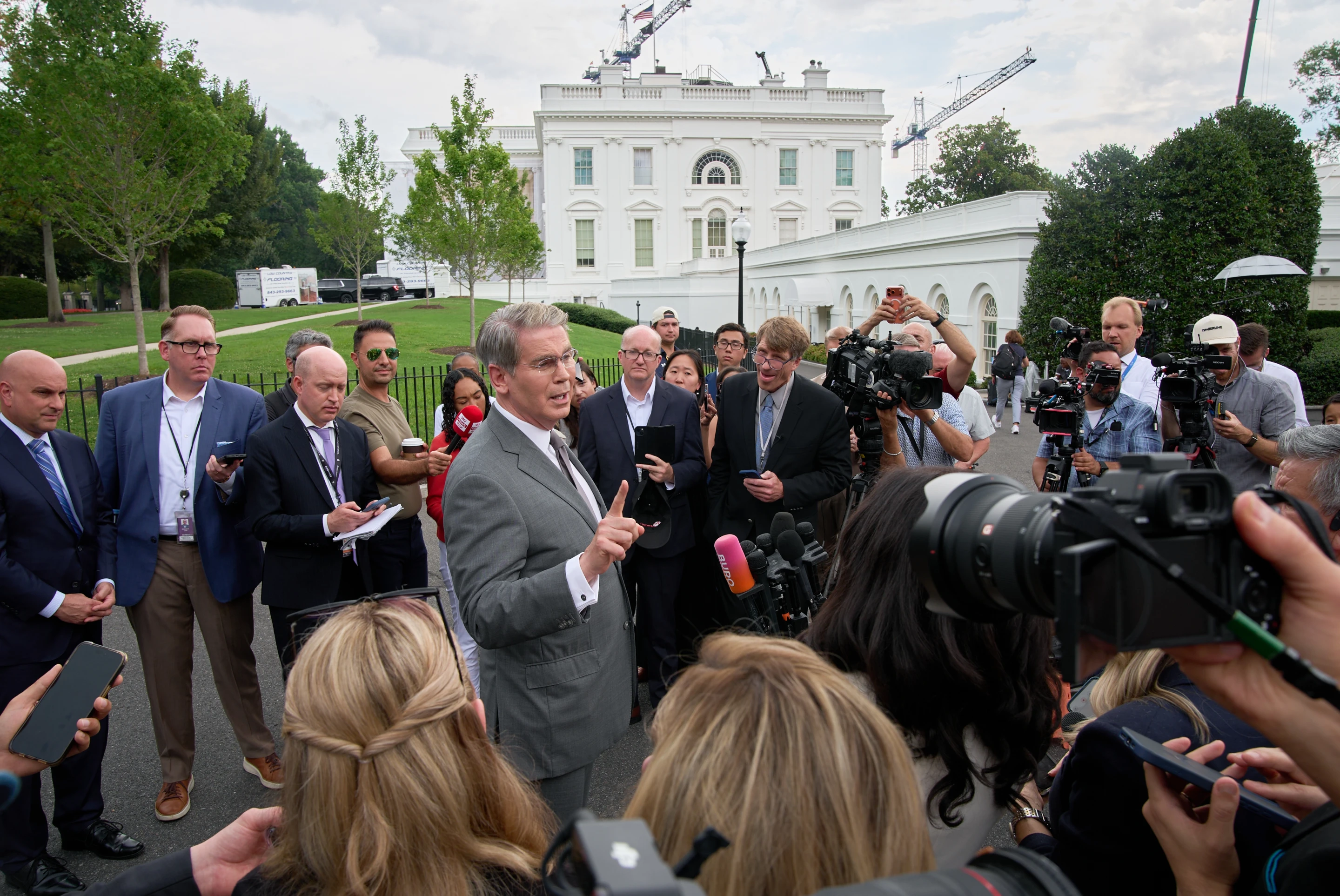
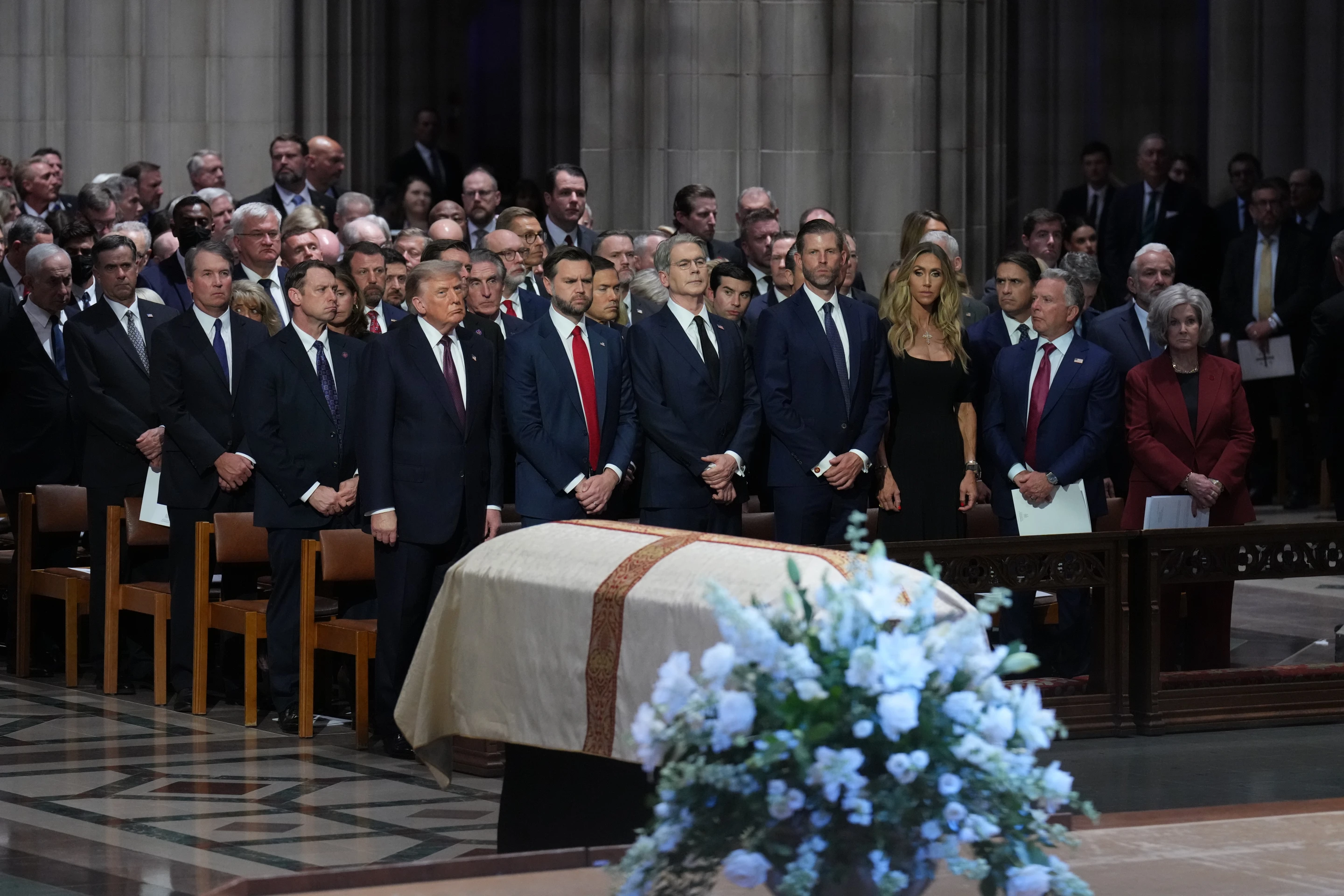
Political leaders from across the United States and around the world gathered in Washington to pay tribute to the late Senator Lindsey Graham, remembering the South Carolina Republican as a 'true American original' whose influence stretched from Capitol Hill to global diplomatic circles. Memorial services at the U.S. Capitol and Washington National Cathedral drew President Donald Trump, Vice President JD Vance, members of Congress, foreign dignitaries, military officials, and longtime friends, reflecting Graham's unusually broad network of relationships developed during more than three decades in Congress. Speakers described Graham as a lawmaker known for his outspoken personality, willingness to work across party lines on certain issues, and deep involvement in American foreign policy. Throughout his Senate career, he became one of Washington's most recognizable advocates for a strong U.S. military, robust international alliances, and active American engagement overseas. The services highlighted Graham's journey from a small-town upbringing in South Carolina to becoming one of the Senate's most influential voices on national security. Friends recalled his humor, persistence, and ability to build personal relationships even with political opponents. His flag-draped casket lay in honor at the Capitol Rotunda before the funeral procession moved to Washington National Cathedral, symbolizing the respect accorded to one of the Senate's longest-serving Republican leaders. Lawmakers from both parties attended the ceremonies, emphasizing Graham's enduring presence within the institution despite frequent political disagreements. The memorial reflected not only his domestic political influence but also his reputation abroad, where he maintained close relationships with leaders in Europe, the Middle East, and Ukraine. Those international ties became a defining element of his career and were repeatedly highlighted throughout the day's tributes.
Remembered for an Influential Foreign Policy Legacy
Much of the memorial focused on Lindsey Graham's decades-long role as one of Congress's leading voices on foreign affairs. He consistently argued that the United States should maintain strong alliances, support democratic partners, and preserve an active role in international security. Throughout his Senate career, Graham became a prominent advocate for NATO, Israel, and Ukraine while supporting increased defence spending and American military readiness. His positions often reflected a traditional Republican internationalist approach that emphasized alliances and global engagement. World leaders who had worked with Graham described him as a reliable supporter of trans-Atlantic cooperation and an influential participant in discussions involving global security. His visits to conflict zones, meetings with foreign governments, and advocacy for military assistance frequently placed him at the centre of major international debates. Following Russia's invasion of Ukraine, Graham emerged as one of Kyiv's strongest supporters in Congress, repeatedly calling for expanded military and economic assistance. He also maintained close relationships with Israeli leaders over many years and remained an outspoken advocate for the U.S.-Israel partnership. Supporters argued that Graham viewed American leadership abroad as essential to maintaining international stability. Even critics acknowledged that he consistently defended his foreign policy beliefs and rarely softened his positions despite changing political circumstances. Several speakers noted that Graham often served as an informal diplomatic figure, meeting foreign leaders and participating in congressional delegations worldwide. His willingness to engage directly with allies helped shape discussions on sanctions, defence cooperation, and regional security. His foreign policy legacy remains one of the defining aspects of his Senate career, particularly during a period when debates over America's global role became increasingly prominent within both major political parties.
Trump Reflects on a Complex Political Friendship
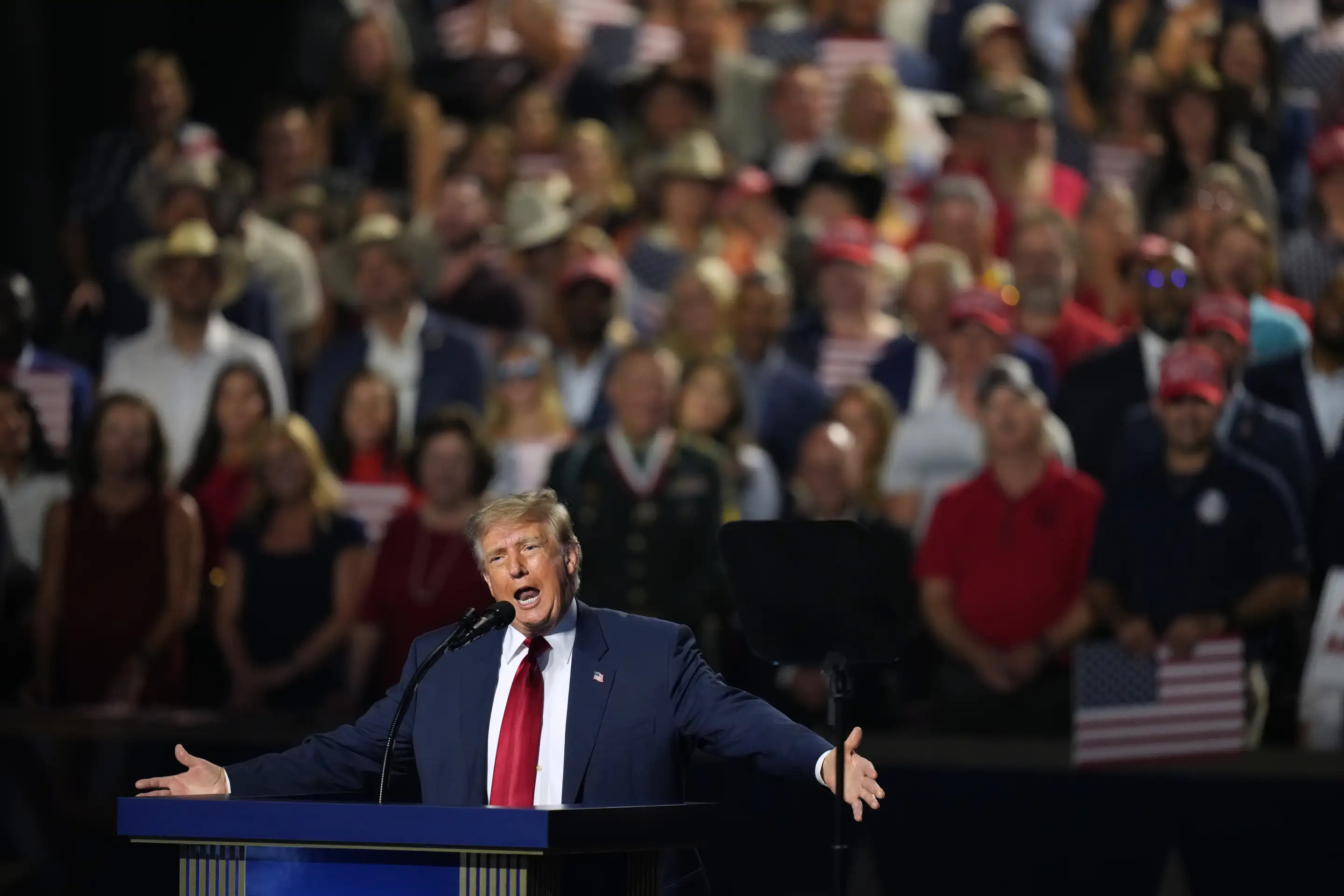
President Donald Trump delivered one of the most closely watched eulogies during the memorial service, reflecting on a relationship with Lindsey Graham that evolved from political rivalry into a close alliance. Trump acknowledged that the two men frequently disagreed during the 2016 Republican presidential primary but said their relationship developed into a lasting friendship based on shared policy priorities and mutual respect. During his remarks, Trump described Graham as a loyal ally who remained deeply committed to public service. He referred to the late senator as a 'true American original' while recalling Graham's humour, determination, and ability to navigate difficult political situations. Their political partnership became one of the most notable relationships within modern Republican politics. Although Graham had initially criticized Trump's presidential campaign, he later became one of the administration's strongest congressional supporters, particularly on judicial appointments, defence policy, and national security issues. The evolution of their relationship illustrated Graham's pragmatic approach to politics. He often emphasized maintaining working relationships even after periods of public disagreement, believing that cooperation could advance policy objectives. Trump also reflected on Graham's energetic personality, describing him as someone who approached politics with enthusiasm and conviction. While acknowledging that Graham could be a forceful advocate for his views, he said those qualities also made him an influential figure within Congress. The president's remarks highlighted Graham's ability to build lasting political relationships despite disagreements that occasionally attracted national attention. Speakers throughout the service similarly noted that Graham frequently maintained friendships across ideological lines. For many attendees, the eulogy symbolized the transformation of two politicians whose once-contentious relationship ultimately became one of the defining partnerships within contemporary Republican politics.
A Career That Spanned More Than Three Decades in Congress
Lindsey Graham's public service career extended for more than thirty years, beginning in the House of Representatives before continuing through multiple terms in the United States Senate. During that time, he became known for his work on defence, judiciary, intelligence, and foreign relations issues. Before entering politics, Graham served as an officer and lawyer in the United States Air Force, an experience that shaped many of his later views on military readiness and national security. His military background remained an important part of his political identity throughout his career. In Congress, Graham participated in numerous major legislative debates involving national security, judicial confirmations, military operations, immigration, and federal spending. He became one of the Senate's most recognizable members through frequent television appearances and active participation in committee hearings. Colleagues often described him as energetic, approachable, and willing to engage in lengthy negotiations. Although political disagreements were common, many senators praised his personal relationships within the chamber and his willingness to meet with lawmakers from both parties. His leadership on judicial confirmation battles, particularly during Supreme Court nominations, also became a defining aspect of his Senate tenure. Graham frequently defended the Senate's constitutional role in confirming federal judges while serving in senior committee positions. Beyond legislative work, he remained deeply involved in international travel and congressional diplomacy, regularly visiting allied nations and conflict regions. Those experiences reinforced his reputation as one of Congress's leading voices on global affairs. The memorial services reflected the broad scope of his public career, bringing together political allies, former rivals, military leaders, diplomats, and international representatives who had worked with him over several decades.
Legacy Extends Beyond American Politics
As memorial services concluded, many speakers reflected on Lindsey Graham's broader legacy and the lasting influence he leaves on American politics and international affairs. While opinions about his policies often differed sharply, few disputed his prominence within Congress or his commitment to issues he believed were central to American national security. His career coincided with major international events, including conflicts in the Middle East, NATO expansion, the global fight against terrorism, and Russia's confrontation with Ukraine. Throughout these developments, Graham consistently argued for strong American engagement with allies and continued investment in defence partnerships. Political observers note that his approach represented a tradition of Republican foreign policy that emphasized global leadership and military alliances. As political priorities within both major parties continue evolving, many analysts believe Graham's career marks the end of an important chapter in Washington's foreign policy history. The attendance of international leaders at his funeral demonstrated the extent of his relationships beyond the United States. Diplomats and foreign officials described him as an accessible congressional leader who maintained regular communication with governments facing security challenges. In South Carolina, where Graham represented voters for decades, additional memorial events and a private burial were planned following the Washington ceremonies. Supporters there remembered him not only as a national political figure but also as a senator who maintained close ties to his home state. Although debates over his policies will continue, the tributes reflected broad recognition that Lindsey Graham occupied a distinctive place in modern American politics. His influence on foreign policy, judicial debates, and congressional leadership is expected to remain part of discussions about his legacy for years to come.