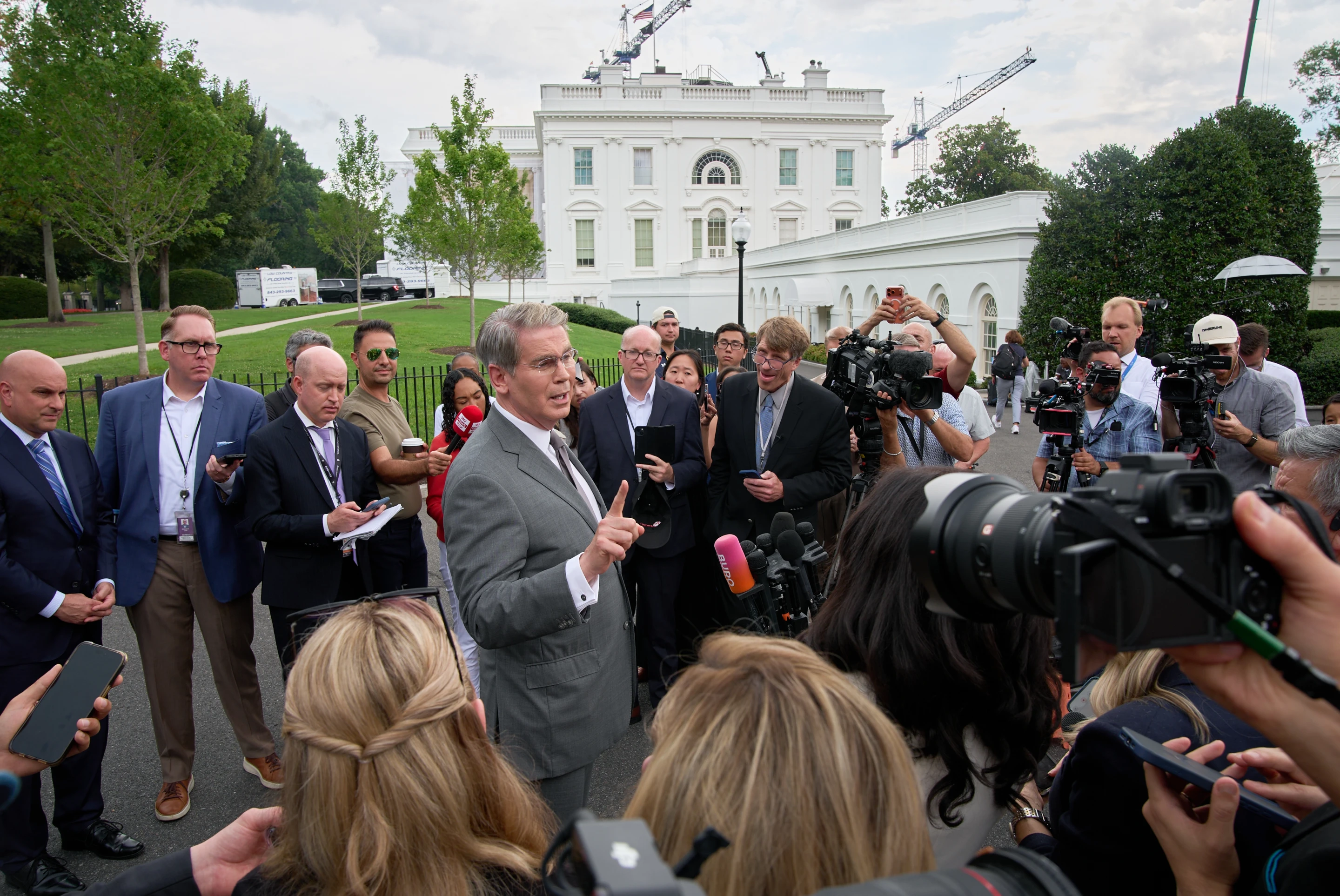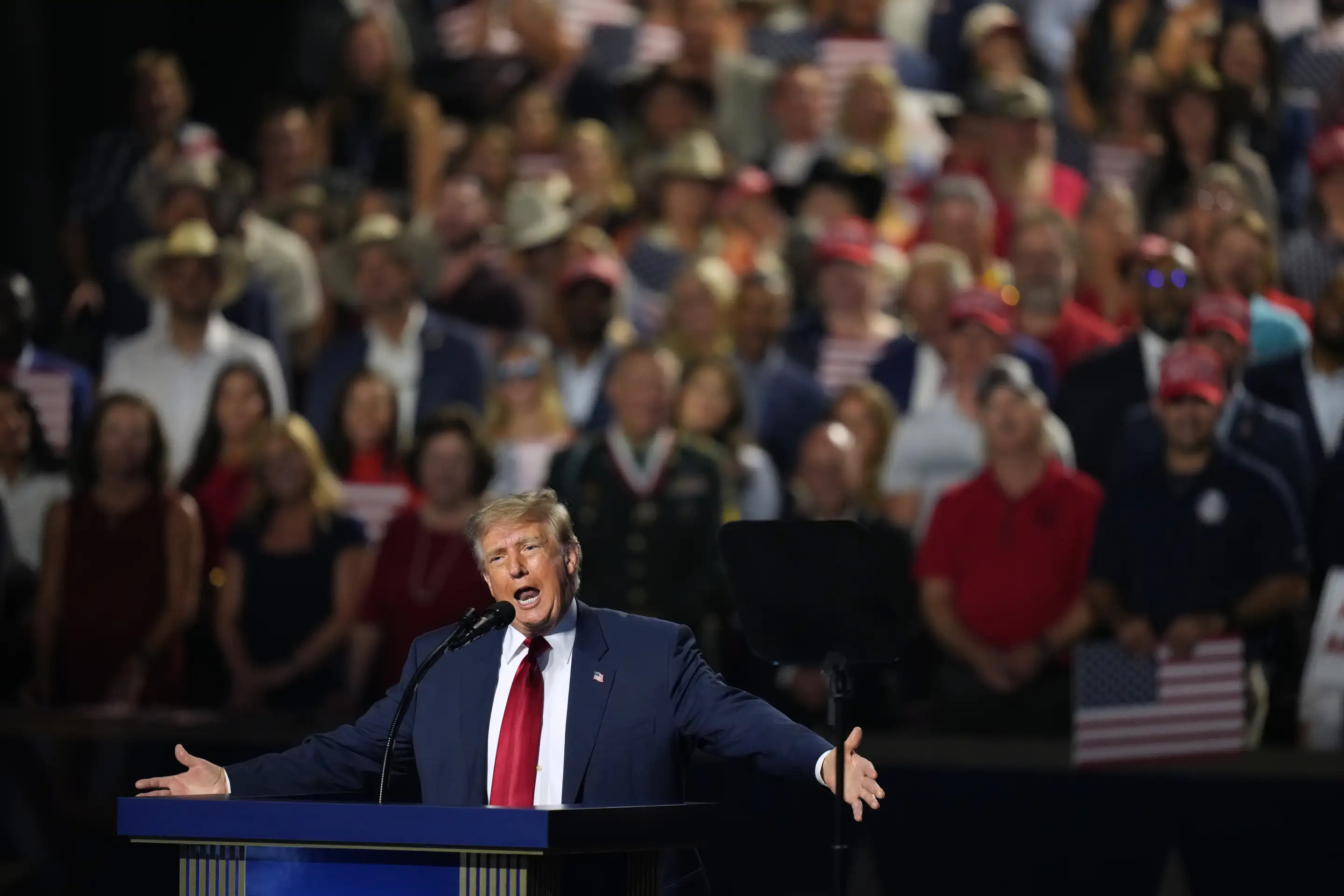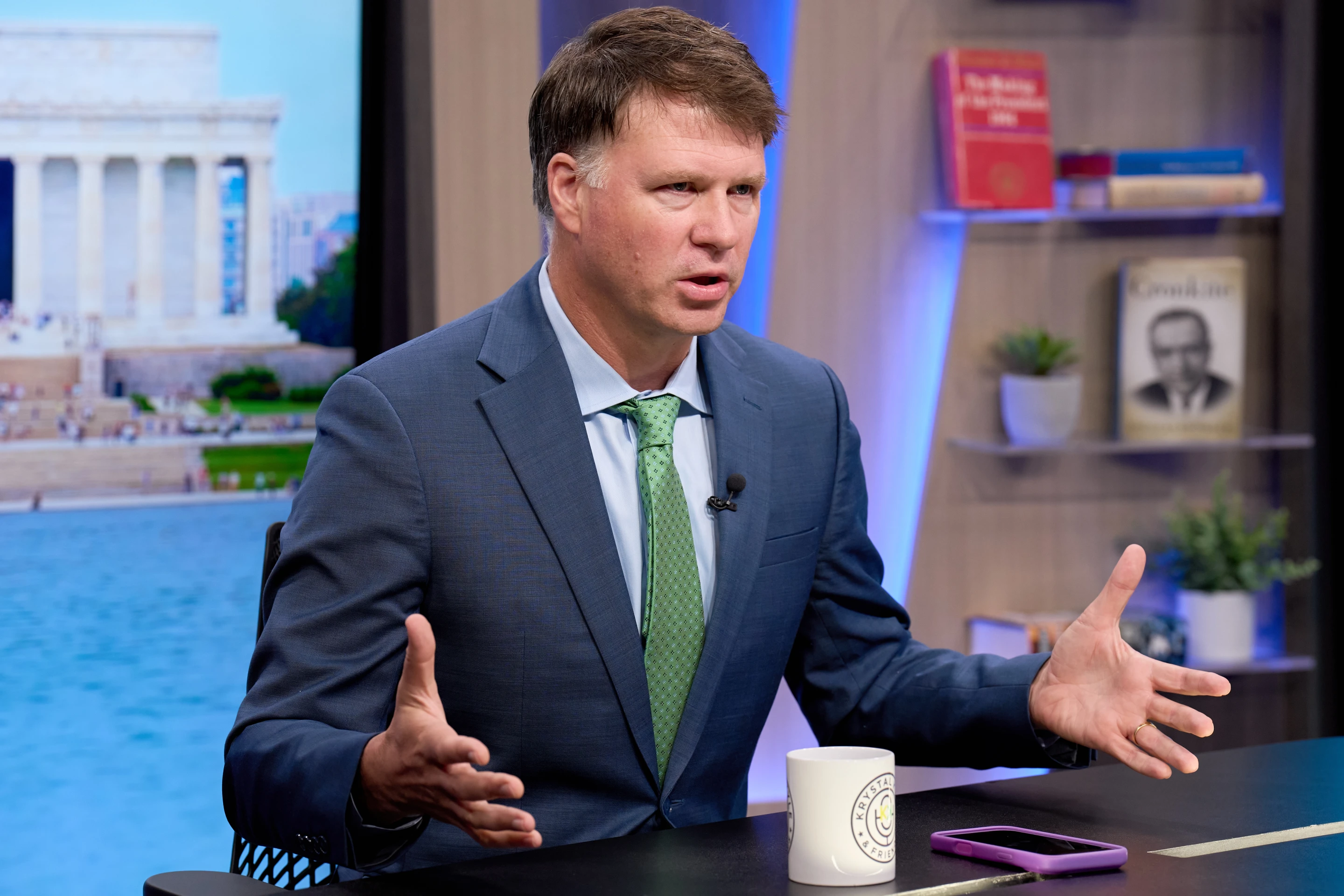
A growing network of podcasts, livestreams, independent news outlets, and digital creators is reshaping how Democratic politicians communicate with voters, raising new questions about influence, campaigning, and the future of political media.
Progressive Digital Media Emerges as a Powerful Political Force
A rapidly expanding ecosystem of progressive podcasts, YouTube channels, livestreams, newsletters, and independent digital publications is transforming the way Democratic politicians communicate with voters. As traditional television and newspaper audiences continue to fragment, many Democratic candidates and activists are increasingly relying on online creators and alternative media platforms to reach supporters, particularly younger audiences who consume political news primarily through digital channels. This evolving media landscape mirrors broader changes across American politics, where campaigns are no longer dependent solely on national television interviews or newspaper endorsements. Instead, long-form podcasts, livestream conversations, social media personalities, and issue-focused newsletters have become influential spaces where politicians explain policies, mobilize supporters, and respond directly to current events. Progressive media organizations argue that they provide greater context and allow more detailed discussions than traditional broadcast formats. Many creators emphasize interviews that last an hour or longer, giving candidates opportunities to discuss complex issues without the time limitations often associated with television news. Democratic strategists increasingly view these platforms as valuable tools for voter outreach, fundraising, volunteer recruitment, and issue advocacy. The shift has also created new opportunities for independent journalists and commentators who have built substantial audiences outside established media organizations. Their influence has expanded as audiences seek alternative sources of information and political analysis. At the same time, critics argue that ideological media ecosystems can contribute to audience fragmentation, reinforce political identities, and reduce exposure to differing viewpoints. Supporters counter that these platforms diversify public debate by providing perspectives that may receive less attention in traditional news coverage. Regardless of perspective, the growth of progressive digital media demonstrates that political communication is entering a new era, one in which independent creators increasingly shape campaign messaging, public opinion, and the Democratic Party's engagement with voters.
Changing Media Habits Influence Democratic Campaign Strategies
The rise of digital-first political media has significantly influenced how Democratic campaigns plan communication strategies. Instead of focusing almost exclusively on national television appearances and newspaper editorials, candidates are increasingly scheduling podcast interviews, livestream discussions, online town halls, and appearances with popular digital creators. Campaign advisers argue that voter behaviour has changed dramatically over the past decade. Younger Americans are more likely to receive political information through streaming platforms, social media feeds, podcasts, newsletters, and video-sharing services than through traditional television broadcasts. As a result, campaigns are adapting to meet audiences where they already spend their time. Long-form interviews have become particularly valuable because they allow candidates to discuss policy proposals, respond to criticism, and present personal narratives in greater detail. Supporters believe this format creates stronger connections between politicians and voters while reducing reliance on short television sound bites. Digital media also offers campaigns immediate feedback through audience interaction, comments, livestream questions, and social media engagement. This enables candidates to better understand which issues resonate with supporters and adjust messaging accordingly. However, campaign strategists acknowledge that digital communication also presents challenges. The speed of online news cycles requires rapid responses to emerging events, while misinformation and misleading content can spread quickly across platforms. Democratic campaigns have therefore expanded investments in digital communications teams capable of monitoring conversations and producing multimedia content throughout the day. Independent creators have also become influential voices in fundraising efforts, issue advocacy, and grassroots mobilisation. Some online personalities now reach audiences comparable to regional television networks, making their endorsements or interviews increasingly valuable during election campaigns. As media consumption continues evolving, Democratic strategists believe digital engagement will remain an essential component of future electoral success.
Independent Creators Gain Influence Within Progressive Politics
Independent journalists, commentators, podcast hosts, and online content creators have become increasingly influential participants in progressive political discussions. Many have built substantial followings by offering daily analysis, investigative reporting, interviews, and commentary outside traditional media institutions. Unlike conventional news organisations, many digital creators operate with smaller teams and publish content directly through subscription platforms, video-sharing websites, and social media. This model allows them to interact more closely with audiences while responding quickly to breaking political developments. Their growing influence has created new relationships between elected officials and media personalities. Democratic politicians frequently appear on independent podcasts and digital programmes to discuss legislation, elections, foreign policy, climate change, healthcare, labour issues, and economic policy. These appearances often generate extensive online discussion and reach audiences that may not regularly consume traditional political news. Supporters argue that independent media broadens democratic participation by lowering barriers to political communication. They believe new voices help diversify public debate and encourage engagement among younger generations. However, some media analysts caution that the increasing influence of independent creators raises questions about journalistic standards, editorial independence, transparency, and accountability. Because many creators combine reporting with opinion and advocacy, audiences may encounter content that blends factual reporting with political commentary. Others argue that this combination has long existed in traditional media through opinion programming and editorial pages. The evolving relationship between independent creators and Democratic politics reflects broader changes throughout the media industry. Digital publishing tools have reduced entry barriers, enabling individuals and small organisations to compete for national audiences. As independent media continues expanding, these creators are likely to remain important participants in political campaigns, policy debates, and voter engagement efforts.
Traditional News Organisations Adapt to the Digital Competition
The emergence of alternative political media has prompted traditional news organisations to reconsider how they produce and distribute content. Newspapers, television networks, and public media outlets increasingly publish podcasts, livestreams, newsletters, and social media videos in response to changing audience preferences. Legacy news organisations continue to provide investigative reporting, international coverage, and extensive political journalism, but they now compete with independent creators for audience attention. The competition extends beyond reporting speed to include presentation style, accessibility, and audience engagement. Many established organisations have invested heavily in multimedia storytelling, interactive digital platforms, and subscription-based products designed to retain readers while attracting younger audiences. Political coverage has become increasingly distributed across multiple formats rather than concentrated in nightly television broadcasts or daily newspapers. The changing media environment has also affected campaign coverage itself. Politicians now have greater opportunities to communicate directly with voters without relying exclusively on traditional press conferences or network interviews. Supporters argue this reduces gatekeeping and allows for broader participation in political conversations. Critics, however, warn that bypassing traditional journalism may reduce opportunities for independent questioning and fact-checking. News organisations continue emphasising their role in investigative reporting, accountability journalism, and verification of public claims. Meanwhile, digital creators often focus on analysis, interviews, and commentary that complements rather than replaces conventional reporting. The coexistence of these different models is reshaping the American media landscape. Instead of one dominant source of political information, voters increasingly navigate multiple platforms offering different perspectives, formats, and editorial approaches. This transformation is expected to continue as technology changes how audiences discover, consume, and share political news.
Digital Media Could Shape the Future of Democratic Politics
The continued growth of progressive digital media is expected to influence Democratic politics well beyond the current election cycle. As campaigns become increasingly digital, candidates are likely to devote more resources to online outreach, creator partnerships, podcast appearances, and multimedia communication strategies. Political analysts believe digital-first campaigning may become a permanent feature of American elections. Candidates who effectively engage online communities could gain advantages in fundraising, volunteer recruitment, policy communication, and voter mobilisation. At the same time, Democratic leaders face the challenge of balancing outreach across multiple media environments. While younger voters increasingly rely on digital platforms, many older voters continue receiving information through television, newspapers, and local news organisations. Successful campaigns may therefore require integrated communication strategies spanning both traditional and emerging media. The growing influence of online creators also raises broader questions about the future relationship between journalism, advocacy, and political participation. As audiences diversify across numerous platforms, maintaining public trust and promoting accurate information remain important challenges for both established media organisations and independent publishers. Technology companies will also continue playing an important role because recommendation algorithms, livestream features, and social media distribution influence how political content reaches audiences. Changes in platform policies could significantly affect future campaign communication. Ultimately, the emergence of a new media ecosystem on the political left reflects broader shifts affecting the entire American political landscape. Independent digital media is becoming an increasingly important part of how ideas are debated, campaigns are conducted, and voters engage with public affairs. Its influence is likely to continue expanding as political communication evolves alongside changing technology and audience behaviour.