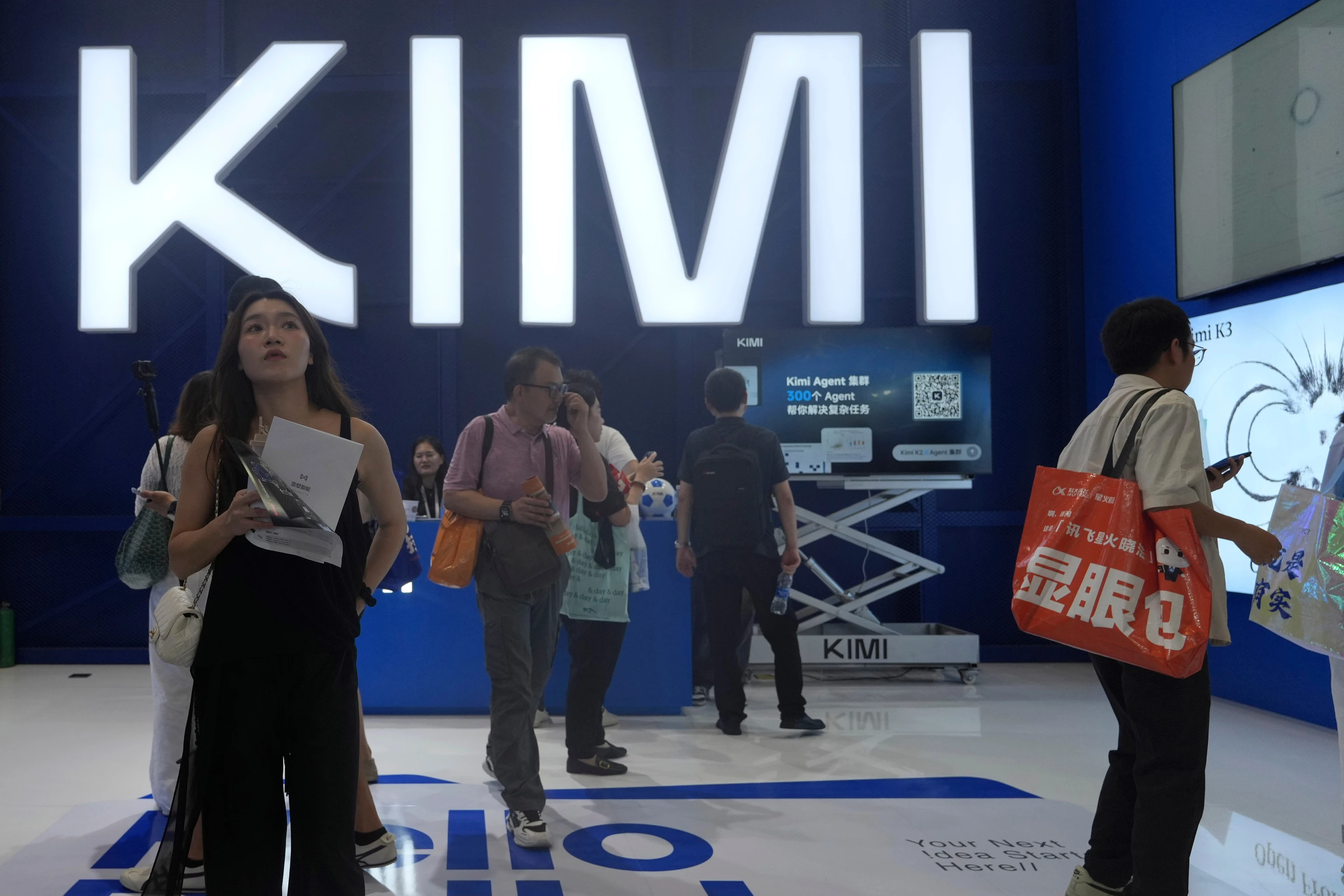
Chinese artificial intelligence models are gaining attention in the US market as companies adopt lower-cost, open-source AI systems that challenge established technology leaders.
Chinese AI Models Challenge Established Global Technology Leaders
Chinese artificial intelligence models are gaining momentum in the United States as businesses, developers, and researchers increasingly explore lower-cost alternatives to traditional AI systems. The rapid growth of Chinese AI companies has introduced new competition into a market that has been dominated by major American technology firms. For years, the global artificial intelligence race has been led by companies in the United States, including major cloud providers, semiconductor companies, and AI research organizations. These companies have invested billions of dollars into developing advanced AI models capable of generating text, analyzing data, creating images, and supporting complex business operations. However, Chinese AI developers have gained attention by focusing on efficiency, affordability, and open access. Many Chinese models are designed to be downloaded, modified, and adapted by developers, allowing companies to experiment with AI technology without paying high subscription costs associated with some proprietary systems. This approach has attracted interest from startups, researchers, and businesses looking for cost-effective AI solutions. Companies that previously faced financial barriers to adopting advanced AI tools can now explore alternatives that require fewer resources. The rise of Chinese AI models has also intensified competition within the global technology industry. US companies remain leaders in many areas, particularly advanced AI infrastructure and semiconductor technology, but Chinese developers have demonstrated the ability to create competitive models with fewer resources. Analysts say the competition is changing the AI market by placing greater emphasis on efficiency and accessibility. Instead of only focusing on building the largest and most expensive AI systems, companies are increasingly exploring smaller, specialized models that can deliver strong performance at lower costs. The growing adoption of Chinese AI models in the US represents a significant development in the global AI race. It reflects a broader shift where innovation is no longer limited to a small group of technology companies As artificial intelligence continues expanding across industries, competition between US and Chinese AI developers is expected to influence the future direction of the technology sector.
Open-Source Strategy Helps Chinese AI Gain International Attention
One of the biggest advantages driving the popularity of Chinese AI models is their focus on open-source development. By allowing developers to access, modify, and improve AI systems, Chinese companies have created opportunities for wider adoption and experimentation. Open-source AI models provide businesses with greater flexibility compared with closed systems operated by major technology companies. Developers can customize models for specific industries, improve performance for particular tasks, and integrate AI tools into existing software platforms. Chinese companies have increasingly used this approach to compete in the global AI market. Instead of relying only on expensive computing resources, many developers have focused on improving efficiency and creating models that require fewer processing resources. This strategy has attracted attention from companies in the United States that are seeking affordable AI solutions. Smaller businesses and startups often face challenges when adopting advanced AI because of high infrastructure costs and expensive access fees Open-source models allow these organizations to experiment with artificial intelligence without making large financial commitments. This has contributed to wider AI adoption across industries such as healthcare, education, finance, software development, and manufacturing. However, open-source AI also creates regulatory and security concerns. Governments and technology experts have raised questions about data protection, transparency, and the potential misuse of powerful AI systems. Supporters argue that open development encourages innovation by allowing more researchers and companies to contribute improvements. They believe competition between different AI models will accelerate technological progress. Critics say open access requires strong oversight to prevent misuse and ensure responsible development. They argue that powerful AI systems must be managed carefully to reduce risks. The debate surrounding Chinese AI models reflects a larger global discussion about how artificial intelligence should be developed. The balance between openness, security, and innovation will likely shape the future of the industry. As more organizations adopt open-source AI tools, the influence of Chinese-developed models is expected to continue growing.
Lower Costs Give Chinese AI Models an Advantage Among Businesses
Cost efficiency has become one of the strongest selling points for Chinese AI models as companies worldwide look for affordable ways to integrate artificial intelligence into their operations. Businesses are increasingly focused on reducing technology expenses while maintaining access to advanced capabilities. Traditional AI development often requires significant investment in computing power, specialized hardware, and highly skilled researchers. These costs have created barriers for smaller companies that want to adopt artificial intelligence but cannot compete with large technology corporations. Chinese AI developers have attempted to address this challenge by creating models that provide strong performance while requiring fewer resources. Their focus on efficiency has made these systems attractive to businesses looking for practical AI applications. Companies are using AI models for tasks such as customer support automation, data analysis, content generation, software development, and internal productivity tools. Lower-cost solutions allow more organizations to experiment with AI without committing large budgets. The demand for affordable AI has increased as companies move beyond testing artificial intelligence and begin integrating it into daily operations. Businesses want tools that provide measurable improvements rather than simply demonstrating technical capabilities. Industry analysts say cost competition could become a major factor in the future AI market. Companies that can deliver powerful systems at lower prices may gain advantages in attracting users and expanding adoption. However, cost is only one factor influencing AI decisions. Businesses also consider reliability, security, accuracy, compliance requirements, and technical support when choosing AI platforms. US technology companies continue investing heavily in advanced AI research and infrastructure. Many remain focused on developing the most capable models, while Chinese competitors are emphasizing accessibility and efficiency. The competition between these approaches could create a more diverse AI ecosystem. Some organizations may choose premium AI systems with advanced capabilities, while others may prefer affordable models designed for specific tasks. The growing popularity of lower-cost Chinese AI solutions demonstrates that affordability is becoming an important part of the global artificial intelligence competition.
US Technology Industry Responds to Growing Chinese AI Competition
The increasing influence of Chinese AI models has encouraged US technology companies to reconsider their strategies and accelerate efforts to maintain leadership in artificial intelligence. Competition from international developers has created pressure to improve efficiency, reduce costs, and expand access. American technology companies continue to hold significant advantages in areas such as advanced semiconductor development, cloud infrastructure, research investment, and global AI platforms. However, the rise of competitive Chinese models has shown that innovation can come from different approaches. US companies are increasingly exploring smaller and more efficient AI systems alongside larger models. This reflects a growing understanding that not every application requires the most powerful available technology. The market is moving toward a wider range of AI solutions designed for different needs. Large organizations may require advanced models capable of handling complex tasks, while smaller businesses may prefer affordable systems focused on specific functions. The competition has also increased attention on AI security and regulation. US policymakers have expressed concerns about foreign AI technologies, particularly regarding data privacy, national security, and technological dependence. At the same time, technology experts emphasize the importance of maintaining global innovation and collaboration. They argue that competition between countries can accelerate progress and encourage better solutions. The AI industry is becoming increasingly competitive as companies race to improve performance while lowering costs. The success of different AI models will depend on factors beyond technical ability, including trust, adoption, business integration, and regulatory approval. Chinese AI companies have demonstrated that efficient development strategies can challenge established leaders. Their progress has changed expectations about how artificial intelligence can be built and distributed. For US companies, the challenge will be maintaining technological leadership while adapting to a market where affordability and accessibility are becoming increasingly important.
Global AI Competition Enters New Phase of Innovation
The rise of Chinese AI models marks a new phase in the global artificial intelligence competition, where success will depend not only on building powerful systems but also on making them accessible, affordable, and practical for users. Artificial intelligence is becoming a fundamental technology across industries, and companies around the world are searching for solutions that can improve productivity and create new opportunities. The competition between Chinese and US AI developers represents different approaches to technological advancement. American companies have traditionally focused on large-scale research and infrastructure, while many Chinese developers have emphasized efficiency and open access. Both approaches are contributing to rapid innovation. The competition is encouraging companies to improve AI performance, reduce costs, and develop tools that serve a wider range of users. Businesses are expected to benefit from increased competition because more options can lead to lower prices and faster improvements. Organizations will have greater flexibility in choosing AI systems that match their specific needs. However, the future AI landscape will also depend on regulation, international relations, and public trust. Governments will continue debating how to encourage innovation while addressing security and ethical concerns. Experts believe the AI industry is still in an early stage, with significant developments expected in the coming years. New competitors, technologies, and business models are likely to continue reshaping the market. Chinese AI models gaining ground in the US demonstrates that artificial intelligence leadership is becoming a global competition rather than a race controlled by a small number of companies. As the industry evolves, the winners may be those that successfully combine intelligence, affordability, reliability, and responsible development.