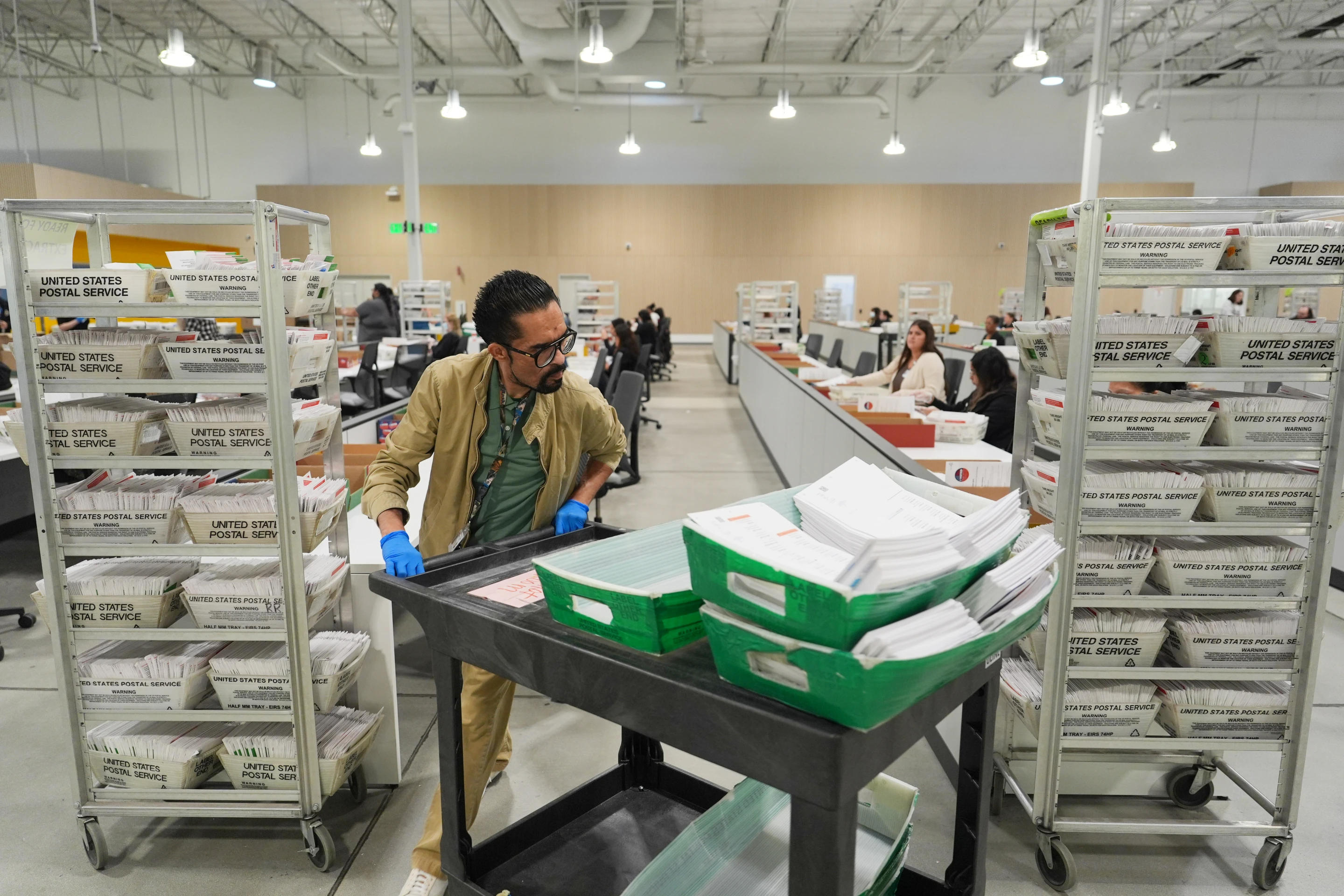
Nearly 150,000 mail ballots were rejected during California's primary election despite statewide efforts to ensure every eligible vote was counted, prompting election officials, voting rights advocates, and lawmakers to examine why thousands of ballots failed to meet legal requirements.
Thousands of Mail Ballots Rejected During Primary
California election officials reported that nearly 150,000 mail ballots submitted during the state's primary election were ultimately rejected despite extensive efforts to maximize voter participation and ensure every eligible ballot was counted. Election administrators explained that while California has expanded opportunities for mail voting, ballot tracking, voter education, and signature correction procedures, certain ballots still failed to satisfy legal requirements established under state election law. Common reasons for rejection include missing voter signatures, signature verification issues, ballots arriving after applicable deadlines where required, damaged envelopes, or other procedural deficiencies that prevented officials from confirming voter eligibility. County election offices conducted reviews using standardized verification processes before determining whether ballots could legally be counted. Officials emphasized that election integrity requires balancing broad voter access with compliance with statutory safeguards designed to ensure every counted ballot is lawfully cast. The reported rejection figures have renewed discussion regarding whether additional reforms could further reduce preventable ballot disqualifications while maintaining public confidence in the electoral process.
Election Officials Review Causes Behind Rejections
State and county election administrators are examining the factors that contributed to the large number of rejected ballots in an effort to identify potential improvements before future elections. Officials are reviewing data from counties across California to determine whether particular rejection reasons occurred more frequently in certain regions or among specific voting methods. Election administrators noted that California's existing 'ballot curing' procedures already allow many voters to correct signature-related issues after submitting their ballots, helping thousands of votes ultimately qualify for counting. However, officials acknowledged that some voters either did not respond within the required timeframe or submitted ballots that could not legally be validated under existing regulations. Election experts are also analysing whether voter education campaigns, ballot instructions, or administrative procedures could be strengthened to reduce avoidable errors. State officials indicated that the review will involve county election offices, voting system specialists, and policy experts to determine whether procedural adjustments or legislative changes could improve ballot acceptance rates without compromising election security or legal compliance.
Voting Rights Groups Call for Additional Reforms
Voting rights organizations have expressed concern over the number of rejected ballots, arguing that many disqualifications result from technical errors rather than intentional misconduct. Advocacy groups contend that additional voter education, expanded notification systems, and longer opportunities to resolve ballot issues could help reduce the number of eligible voters whose ballots ultimately go uncounted. Several organizations also recommended improvements to ballot design, signature verification procedures, multilingual voter outreach, and public awareness campaigns explaining common mistakes that lead to ballot rejection. Election policy experts noted that many jurisdictions across the United States continue evaluating methods to balance election security with greater accessibility for mail voters. Supporters of additional reforms argue that reducing administrative barriers strengthens public confidence in elections by ensuring eligible voters are not unnecessarily disenfranchised due to correctable technical deficiencies. Election officials responded that any procedural changes must remain consistent with California law while preserving safeguards against fraud and maintaining confidence in election administration.
Election Security and Access Remain Central Debate
The ballot rejection figures have renewed longstanding debates over how election systems should balance broad voter access with rigorous verification standards. Election administrators maintain that verification procedures are essential for protecting the integrity of elections by confirming voter identity, preventing duplicate voting, and ensuring compliance with statutory requirements. At the same time, election researchers emphasize that overly complex procedures may unintentionally increase the likelihood of eligible ballots being rejected for technical reasons. Legal experts noted that courts have repeatedly considered challenges involving ballot verification standards, signature matching practices, and voter notification procedures in various states. California has adopted several reforms in recent years intended to increase mail voting participation while expanding opportunities for voters to correct certain errors before certification deadlines. Nevertheless, officials acknowledged that no election system can eliminate all procedural disqualifications while continuing to enforce legal requirements established by election law.
Lawmakers Examine Possible Legislative Changes
California lawmakers are expected to review election data and consider whether additional legislative measures could further reduce ballot rejection rates before future statewide elections. Potential proposals may include expanded voter education initiatives, improvements to signature verification technology, revised notification procedures for ballot curing, and enhanced support for first-time mail voters. Legislative committees are also expected to hear testimony from election administrators, voting rights organizations, academic researchers, and cybersecurity specialists regarding possible improvements to election administration. Policymakers emphasized that any reforms should preserve both election integrity and public confidence while ensuring eligible voters have meaningful opportunities to correct administrative errors. Political observers noted that election administration reforms often receive bipartisan attention because both voter access and election security remain fundamental components of democratic governance. The legislative review is expected to continue after county officials complete certification reports and publish detailed election statistics.
Officials Seek Improvements Before Future Elections
As California prepares for future statewide elections, election officials say lessons learned from the recent primary will inform ongoing efforts to improve voter participation and administrative efficiency. County election offices plan to analyse rejection trends, expand public education campaigns, and evaluate operational procedures to reduce preventable ballot errors. Officials also intend to continue investing in ballot tracking technology, voter notification systems, and staff training designed to improve consistency in election administration across jurisdictions. Election experts believe public confidence is strengthened when election agencies regularly review performance data and implement evidence-based improvements following each election cycle. While officials emphasized that the overwhelming majority of submitted ballots were successfully processed and counted, they acknowledged that understanding why thousands of ballots were rejected remains an important objective. Findings from the statewide review are expected to guide future policy discussions aimed at ensuring eligible voters can successfully cast ballots while maintaining the legal standards and procedural safeguards required under California election law.