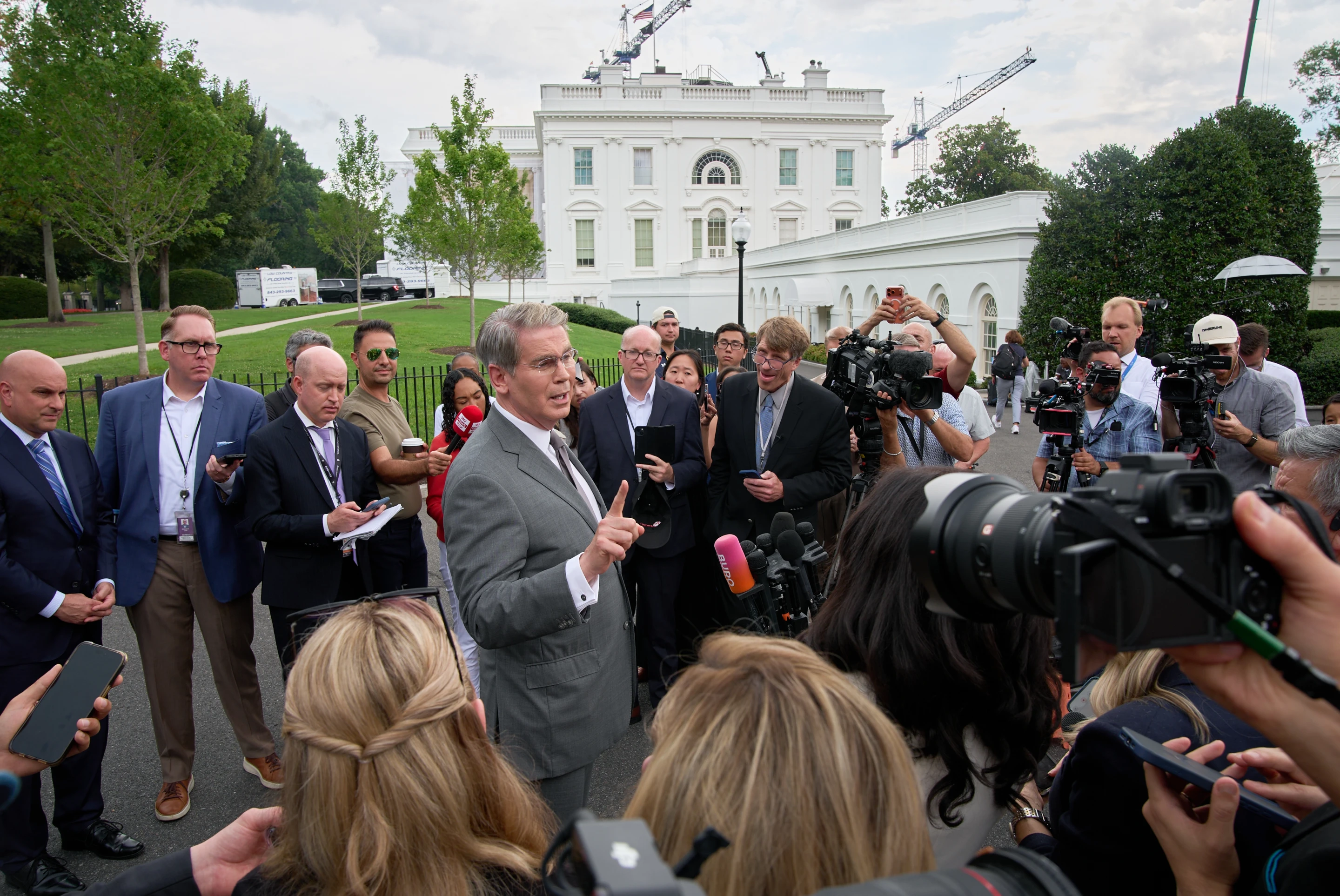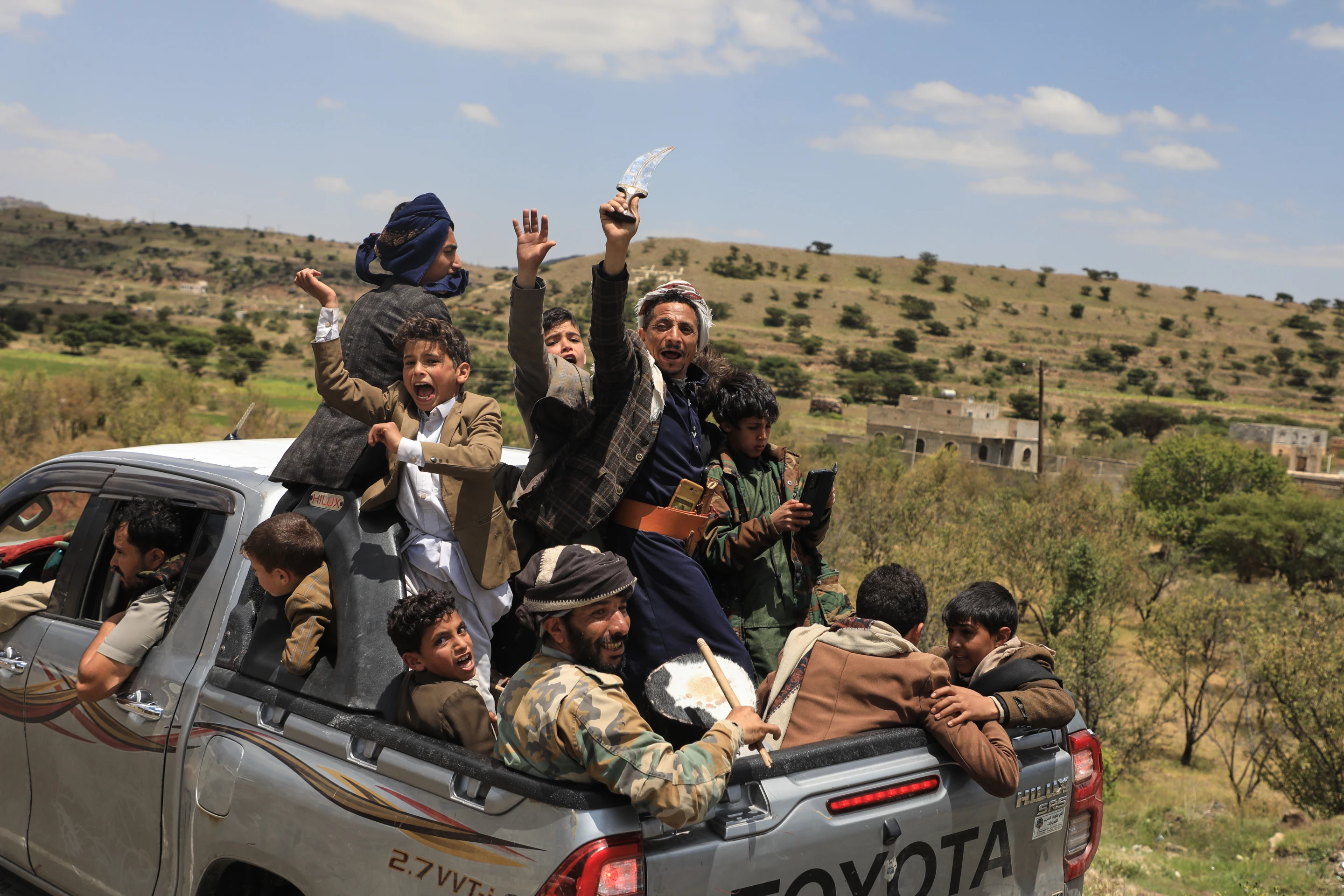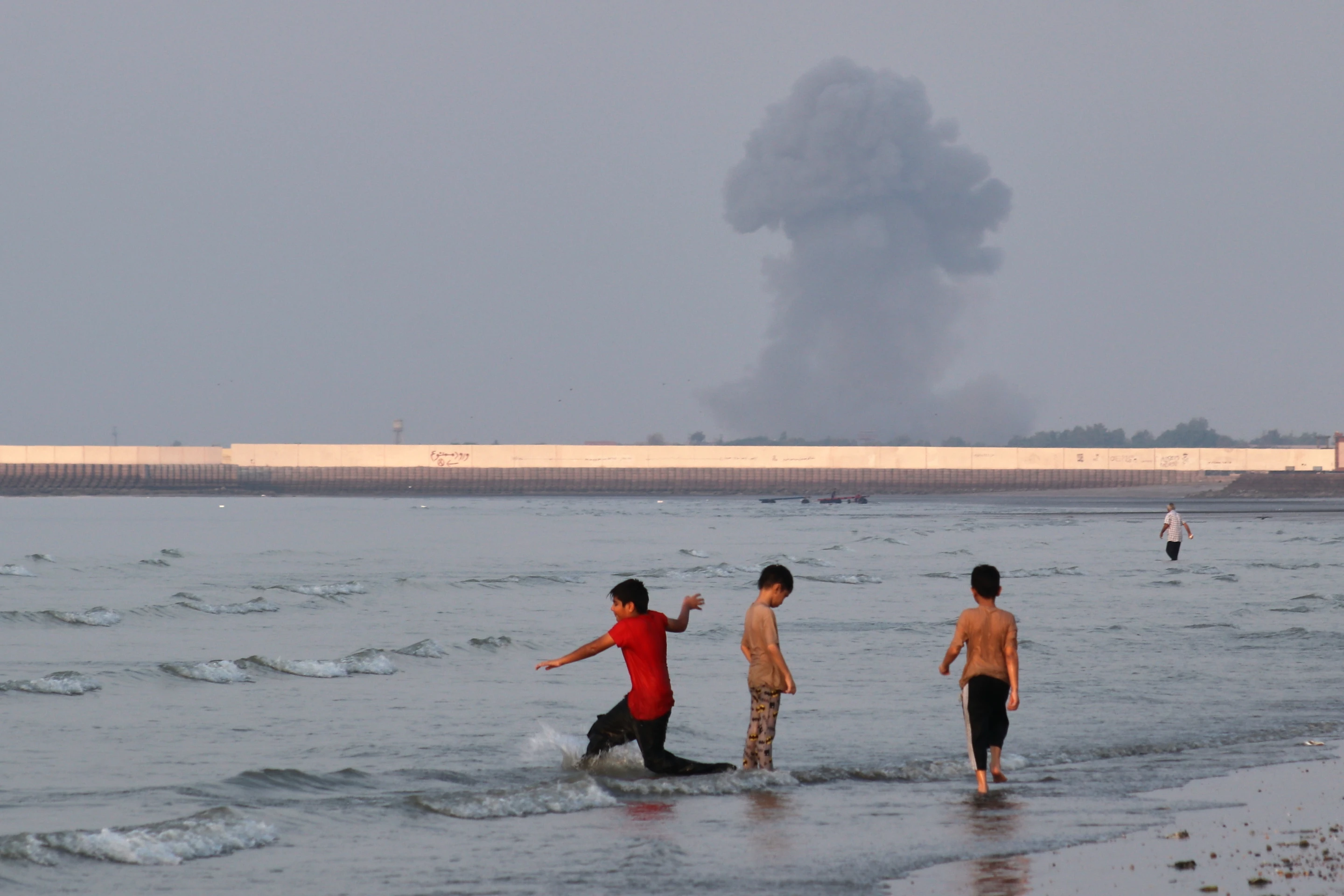
Explosive-laden drones targeted Erbil in northern Iraq, where U.S. forces are stationed, as tensions between Washington and Tehran continue escalating across the region. The attack highlights growing risks to American personnel and regional stability.
Drone Attack Targets Northern Iraq Amid Rising Regional Tensions
Explosive-laden drones targeted the northern Iraqi city of Erbil, where U.S. forces are based, as fighting between the United States and Iran continues to escalate across the Middle East. The attack added to growing concerns that the conflict could expand beyond direct confrontations and increasingly involve allied groups and military facilities throughout the region. U.S.-led forces reportedly intercepted multiple drones before they could cause significant damage or casualties, but the incident demonstrated the continuing threat posed by unmanned weapons systems in modern conflicts. Erbil has become a strategically important location because it hosts international military personnel, diplomatic facilities, and security operations. Any attack targeting the area raises concerns about the safety of American troops and the possibility of further escalation. Drone warfare has become a major feature of recent conflicts because relatively low-cost unmanned systems can be used to strike distant targets and challenge traditional defense systems. Officials are closely monitoring developments as regional tensions increase, with concerns that additional attacks could create pressure for a broader military response. The latest incident highlights the fragile security environment facing Iraq, which continues to navigate relationships with both the United States and neighboring Iran.
Erbil Becomes Flashpoint as U.S. and Iran Tensions Increase
The drone attack on Erbil comes as the broader confrontation between the United States and Iran continues creating security challenges across the region. Iraq has found itself in a difficult position because of its geographic location and political relationships with both Washington and Tehran. The country hosts U.S. military personnel while also maintaining close historical, economic, and political ties with Iran. The presence of American forces has made some Iraqi locations potential targets during periods of increased regional conflict. Analysts say attacks on bases and facilities connected to the United States can serve as pressure tactics aimed at influencing American military decisions without directly engaging in a larger confrontation. The use of drones has increased in recent years because they allow armed groups and state actors to conduct attacks while reducing risks to personnel. Similar incidents across the Middle East have demonstrated how quickly regional conflicts can spread through networks of allied groups and security partnerships. The situation in northern Iraq remains closely watched by governments and military officials as they assess possible future threats.
U.S. Forces Strengthen Defenses Against Drone Threats
The growing use of drones in attacks against military facilities has pushed U.S. forces to expand defensive measures designed to detect and intercept unmanned systems. Modern drone threats present unique challenges because they are often smaller, harder to detect, and less expensive than traditional weapons. Military planners have invested in advanced radar systems, electronic warfare tools, and air defense technologies to counter these threats. The Erbil incident highlights the importance of these systems as military installations across the region face increasing risks. U.S. officials have emphasized that protecting service members and preventing attacks on American facilities remain key priorities. Defense experts say drone warfare has changed the nature of security operations because even groups with limited resources can acquire or develop capable systems. The challenge is particularly significant in regions where multiple armed groups operate and where identifying responsibility for attacks can be complicated. As tensions continue, U.S. forces are expected to maintain heightened security measures at bases and facilities throughout the Middle East. The effectiveness of defensive systems will remain a major factor in preventing casualties and limiting escalation.
Iraq Faces Pressure Between Regional Powers
The latest attack places additional pressure on Iraq’s government as it attempts to maintain stability while managing competing regional interests. Iraq has repeatedly faced challenges from armed groups operating within its borders, some of which have political and military connections beyond the country. The government has sought to strengthen control over security decisions while preventing Iraq from becoming a battlefield for conflicts between larger powers. However, balancing relationships with the United States and Iran remains extremely difficult because both countries maintain significant influence in the region. Security incidents involving U.S. forces often create political tensions inside Iraq, where opinions differ over the presence of foreign troops and the country’s future security strategy. Iraqi officials have repeatedly called for avoiding escalation and protecting national sovereignty. The drone attack in Erbil demonstrates the broader challenges facing Iraq as regional conflicts continue affecting its security environment. Experts warn that continued attacks could increase instability, damage diplomatic efforts, and create additional risks for civilians and infrastructure.
Drone Warfare Expands Role in Modern Conflicts
The attack in northern Iraq reflects a wider transformation in modern warfare, where drones have become one of the most frequently used tools by militaries and armed groups. Unmanned systems can conduct surveillance, carry explosives, and strike targets with increasing precision. Their relatively low cost compared with traditional aircraft makes them attractive for a wide range of actors. Military analysts say drone technology has changed strategic calculations because smaller groups can now threaten powerful military forces. Countries around the world are investing in both offensive and defensive drone capabilities as these systems become central to future conflicts. The Middle East has become one of the most active regions for drone operations, with attacks targeting military bases, energy infrastructure, and transportation networks. The challenge for governments is developing defenses that can respond quickly while avoiding unnecessary escalation. The Erbil attack adds to growing evidence that drone warfare will remain a defining feature of modern security challenges.
Regional Security Risks Grow as Conflict Continues
The drone strike on Erbil comes at a time when regional security concerns are increasing and diplomatic efforts face significant challenges. Officials are watching closely for signs that attacks could expand to additional countries or trigger broader military responses. The conflict between the United States and Iran has already affected security calculations across the Middle East, with governments concerned about the impact on civilians, energy markets, and international relations. The latest incident demonstrates how quickly tensions can spread through interconnected alliances and military networks. For Iraq, the priority remains preventing further escalation while protecting its territory and population. For the United States, maintaining the safety of deployed personnel remains a central concern. As both sides continue responding to developments, the possibility of additional drone attacks remains a major security issue. The situation highlights the difficulty of containing modern conflicts where technology, regional politics, and international rivalries intersect.