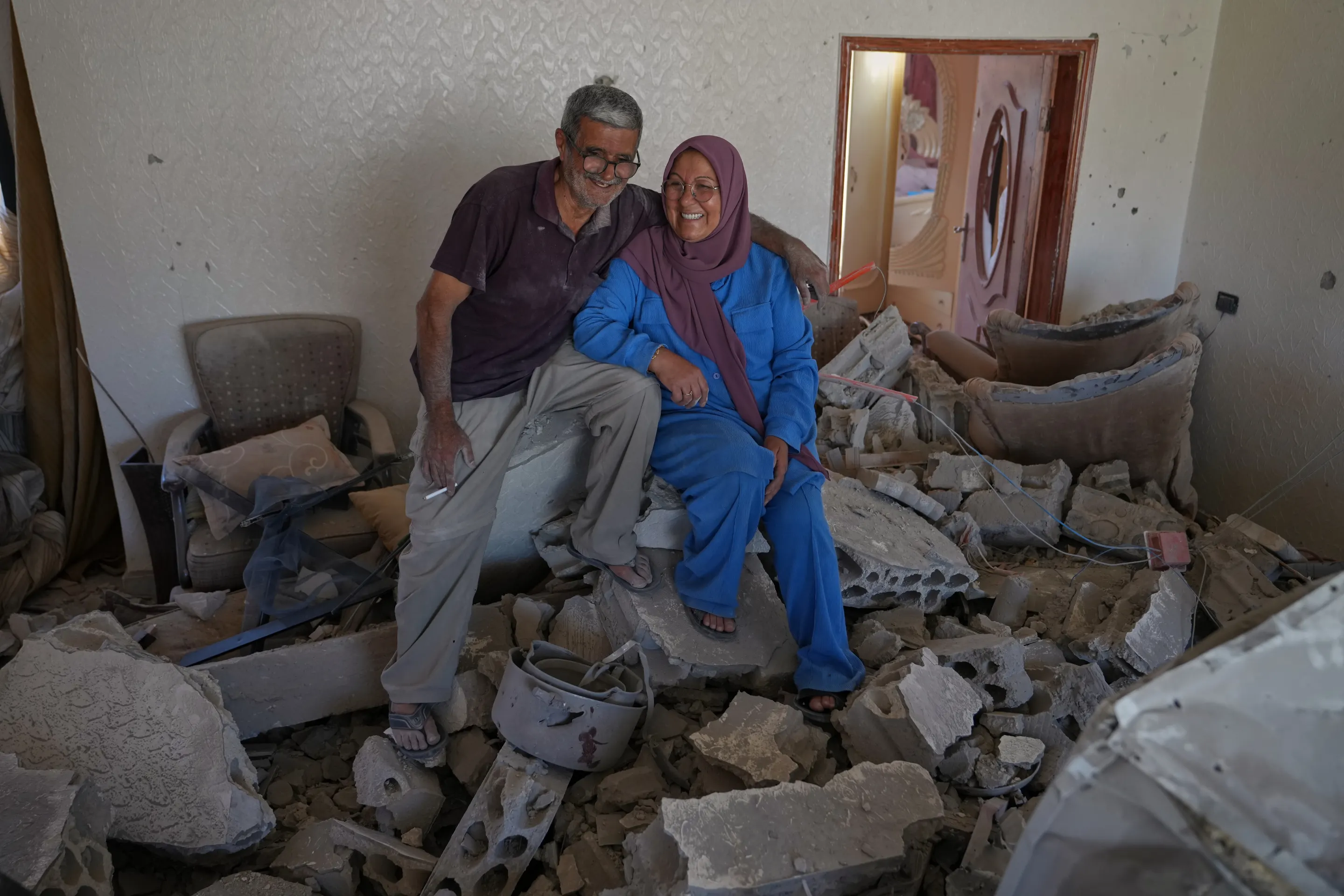
A small number of Lebanese families have returned to a southern village under a pilot arrangement linked to Israel, marking a cautious step amid ongoing security concerns and tensions along the border.
Families Begin Returning to Southern Lebanese Village Under Pilot Arrangement
A small number of families have returned to a village in southern Lebanon as part of a limited pilot arrangement connected to Israel’s proposed security zones, marking an early and cautious effort to restore civilian life in an area heavily affected by years of conflict. The return represents one of the first visible signs of residents attempting to rebuild their communities after prolonged instability, though many families remain uncertain about the long-term security situation and whether conditions will allow a broader return. The village, like many communities near the Lebanese-Israeli border, has experienced significant disruption due to repeated clashes, military operations, and displacement. Homes, roads, and essential infrastructure have suffered damage, leaving many residents unable to return immediately. Those who have come back are facing the challenge of restoring basic services while assessing whether the security environment is stable enough for permanent resettlement. The pilot zones initiative has been described by supporters as a possible framework to create controlled areas where civilians can gradually return while security arrangements are tested. However, critics have raised concerns about the implications of such zones, particularly regarding sovereignty, military influence, and the future status of border communities. Residents who returned said their decision was influenced by a desire to reconnect with their homes, protect their property, and restart daily life after months of uncertainty. Many families have maintained emotional and economic ties to their villages despite displacement, making the opportunity to return a significant personal milestone. Security officials and regional observers are closely monitoring the situation, noting that the success of the arrangement will depend on whether violence decreases and whether residents feel confident about their safety. Any escalation between armed groups and military forces could quickly affect the fragile return process. The limited movement of families back into the village is being viewed as a small but important development in a region where displacement has become a major humanitarian challenge. While the pilot arrangement remains in its early stages, it could influence future discussions about civilian returns and security mechanisms along the Lebanon-Israel border.
Security Concerns Remain as Border Communities Face Uncertainty
Despite the return of a small number of families, significant security concerns continue to surround southern Lebanese communities located near the Israeli border. Years of conflict have created deep uncertainty among residents who must weigh their desire to return home against concerns about renewed fighting, military activity, and political instability. Local communities have experienced repeated cycles of escalation involving Israeli forces and armed groups operating in Lebanon. These conflicts have forced thousands of residents to leave their homes, creating a humanitarian situation where families remain displaced for extended periods. The return process therefore depends not only on political agreements but also on whether residents believe their safety can be guaranteed over time. Security analysts say that establishing controlled or pilot zones in conflict areas can be complicated because they require cooperation between multiple actors with different interests. While such arrangements may reduce immediate tensions, they can also create disagreements over authority, enforcement responsibilities, and the movement of military forces. Lebanese officials have emphasized the importance of maintaining national sovereignty and ensuring that any security arrangements respect the country’s territorial integrity. Many residents fear that temporary measures could become permanent structures that reshape local governance or create additional divisions within border communities. Humanitarian organizations have also highlighted the challenges facing returning families. Many homes require repairs, while electricity, healthcare services, schools, and other essential facilities need significant investment before communities can fully recover. Aid groups say that successful returns require more than security guarantees and must include economic support and reconstruction efforts. Regional governments are watching the developments closely because southern Lebanon remains a key area of concern in Middle Eastern security calculations. Any improvement in stability could help reduce tensions, but renewed clashes could reverse progress and create another wave of displacement. For returning families, the situation remains a careful balance between hope and uncertainty. Their return represents a desire to rebuild their lives, but the future of the wider region will determine whether these early steps develop into a sustainable recovery process or remain a temporary response to a fragile security environment.
Regional and International Attention Focuses on Future of Southern Lebanon
The return of several families to a southern Lebanese village has attracted attention from regional and international observers who are examining whether the pilot zones approach could become part of a broader strategy for reducing tensions along the border. The development comes as diplomatic efforts continue to address security concerns, civilian displacement, and the long-term stability of communities affected by conflict. International officials have repeatedly stressed the importance of protecting civilians and ensuring that displaced populations are able to return safely and voluntarily. They have also called for arrangements that respect international law and prevent further escalation between Lebanon and Israel. For Lebanon, the issue carries significant political importance. Southern border communities have historically played a major role in the country’s security and political landscape. Any agreement affecting these areas must balance humanitarian needs with national sovereignty concerns and the interests of local residents. Israel has argued that security measures near its northern border are necessary to prevent attacks from armed groups. Israeli officials have highlighted the importance of preventing militant infrastructure from operating near civilian areas. However, Lebanese authorities and critics of Israeli policies have expressed concerns about the potential consequences of expanded security zones. Experts believe that the success of the pilot arrangement will depend on several factors, including continued calm, effective monitoring mechanisms, reconstruction funding, and cooperation between local authorities and international partners. Without these elements, analysts warn that returning residents could face renewed displacement if tensions increase. The situation also reflects a larger challenge facing conflict-affected regions: rebuilding trust between communities after years of violence. Many residents who return must not only repair physical damage but also overcome fears created by prolonged insecurity. As more attention is placed on southern Lebanon, the experience of these first returning families may provide important lessons for future efforts to support displaced populations. Whether the pilot zones arrangement becomes a model for broader stability or remains a limited experiment will depend on political decisions and security developments in the months ahead.
Reconstruction Efforts and Future Stability Remain Key Challenges
Beyond immediate security concerns, the long-term success of the return process will depend heavily on reconstruction efforts and the ability of southern Lebanese communities to rebuild sustainable livelihoods. Years of conflict have damaged homes, businesses, schools, and public infrastructure, leaving many residents facing significant obstacles even after returning to their villages. Local officials and humanitarian organizations say that restoring basic services will be essential for encouraging more families to return. Electricity networks, healthcare facilities, water systems, and transportation routes require repairs before communities can fully recover. Without reliable infrastructure, many displaced residents may remain hesitant to come back permanently despite emotional connections to their hometowns. Economic recovery is another major challenge. Many families who fled conflict lost sources of income and business opportunities. Farmers, shop owners, and small business operators in southern Lebanon have faced disruptions that could take years to overcome. Experts argue that financial assistance and investment programs will be necessary to help communities rebuild economically. The return of families also raises questions about social recovery. Communities affected by prolonged conflict often face psychological challenges, including fear, uncertainty, and concerns about future security. Supporting residents will require not only physical reconstruction but also programs that help rebuild confidence and social stability. International organizations could play an important role in supporting recovery efforts, but political disagreements may influence the availability and effectiveness of assistance. Donor countries and humanitarian groups are expected to closely evaluate security conditions before committing major resources. Analysts say that the pilot zones arrangement will ultimately be judged not only by whether it prevents immediate conflict but also by whether it creates conditions where civilians can safely rebuild their lives. For residents returning to southern Lebanon, the future remains uncertain, but the first steps toward rebuilding represent a significant moment after years of displacement. The coming months will likely determine whether the return of these families becomes the beginning of a wider recovery process or remains a limited development in one of the Middle East’s most fragile border regions.