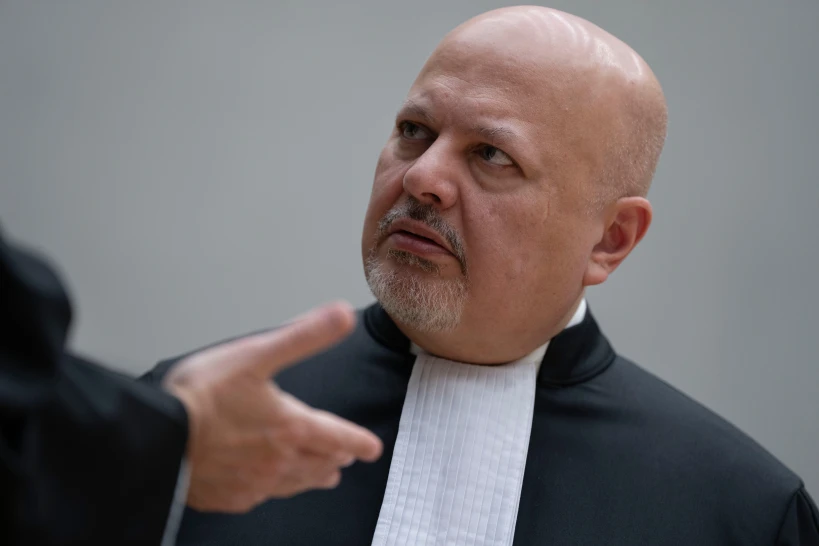
The International Criminal Court is entering a period of transition following the removal of its chief prosecutor, with member states, legal experts, and court officials assessing the institution's leadership, ongoing investigations, and future role in international justice.
ICC Begins Leadership Transition
The International Criminal Court (ICC) has entered a significant period of institutional transition following the removal of its chief prosecutor, an event that has drawn close attention from member states, legal scholars, human rights organizations, and governments around the world. Court officials have stated that ongoing investigations and judicial proceedings will continue while interim leadership arrangements are implemented and discussions begin regarding the appointment of a permanent successor. The prosecutor's office plays a central role within the ICC by investigating allegations of genocide, crimes against humanity, war crimes, and other offences that fall within the court's jurisdiction. As a result, any leadership change has important implications for the management of active investigations, prosecutorial priorities, and international cooperation. Officials emphasized that the court's judicial independence remains protected by its governing framework and that existing legal processes will continue without interruption. Member states are expected to participate in consultations regarding future leadership while ensuring that the institution maintains confidence among victims, witnesses, partner governments, and international organizations. Analysts believe the transition represents one of the most significant administrative developments in the court's recent history.
Ongoing Investigations Continue Despite Leadership Change
Court officials have stressed that the removal of the chief prosecutor will not halt the ICC's ongoing investigations or judicial proceedings. Teams of prosecutors, investigators, analysts, and legal advisers continue working on cases involving multiple regions where allegations of serious international crimes remain under examination. Existing investigations are managed through established institutional procedures designed to ensure continuity regardless of changes in senior leadership. Legal experts noted that while a new prosecutor may eventually influence long-term strategic priorities, immediate investigative work generally continues under previously approved operational plans. Officials also confirmed that cooperation with national governments, international organizations, and partner law enforcement agencies remains ongoing as investigators continue gathering evidence, interviewing witnesses, and preparing legal filings. The court emphasized that protecting victims, safeguarding witnesses, and preserving evidence remain top priorities throughout the transition period. Observers expect the institution to focus on maintaining operational stability while avoiding unnecessary delays in active cases already before the court.
Member States Consider Future Leadership
Representatives of the ICC's member states are expected to play a central role in determining the court's future leadership following the departure of the chief prosecutor. Diplomatic consultations are likely to focus on identifying a candidate with extensive experience in international criminal law, prosecutorial independence, and complex cross-border investigations. The selection process is expected to involve careful consideration of professional qualifications, judicial experience, leadership ability, and the capacity to maintain the court's credibility within the international legal community. Several legal experts have emphasized that the next prosecutor will inherit a challenging portfolio involving ongoing investigations, resource constraints, geopolitical tensions, and evolving expectations regarding international accountability. Member states are also expected to discuss broader institutional reforms aimed at strengthening efficiency, transparency, and public confidence in the court's work. Analysts believe the appointment process will be closely monitored by governments, non-governmental organizations, victims' groups, and international legal institutions interested in the future direction of the ICC.
Legal Community Examines Institutional Impact
The leadership transition has prompted extensive discussion among international law experts regarding the broader implications for the ICC's institutional development. Some observers argue that the court's legal framework and judicial safeguards are designed specifically to ensure continuity during periods of administrative change, while others believe leadership transitions inevitably influence prosecutorial priorities and organizational strategy. Academic institutions, international legal organizations, and human rights groups are examining how the transition may affect case management, investigative resources, cooperation agreements, and long-term policy initiatives. Experts also note that maintaining prosecutorial independence remains essential to preserving confidence in the court's impartiality and legitimacy. Many legal scholars emphasized that the effectiveness of international criminal justice depends not only on individual officeholders but also on strong institutional structures capable of operating independently of political pressure. The coming months are expected to provide greater clarity regarding how the court balances continuity with potential organizational reforms under new leadership.
International Cooperation Remains Essential
Despite the leadership change, the ICC continues to rely heavily on cooperation from member states, international organizations, and national law enforcement authorities to carry out its mandate. The court has no independent police force and therefore depends on governments to execute arrest warrants, facilitate evidence collection, protect witnesses, and assist with judicial proceedings. Court officials reaffirmed that existing cooperation agreements remain in effect throughout the transition and encouraged partner governments to continue supporting ongoing investigations. International justice experts noted that effective collaboration between national authorities and the ICC remains essential for addressing complex cases involving multiple jurisdictions. Diplomatic engagement is also expected to remain an important component of the court's work as officials seek continued assistance from states participating in investigations. Observers believe that maintaining strong international partnerships during the leadership transition will be critical to ensuring the court's operational effectiveness and long-term credibility.
Court Looks Toward Long-Term Stability
As the ICC moves forward, attention is increasingly focused on ensuring long-term institutional stability while maintaining confidence in the court's mission to investigate and prosecute the most serious international crimes. Officials have indicated that internal governance, administrative continuity, and judicial independence will remain central priorities during the transition process. The eventual appointment of a new chief prosecutor is expected to shape future strategic planning, resource allocation, investigative priorities, and engagement with member states. Analysts believe the transition also presents an opportunity for the institution to review operational practices, strengthen internal oversight mechanisms, and reinforce public confidence in its commitment to impartial justice. While significant challenges remain, legal experts generally agree that the court's ability to manage leadership changes effectively will serve as an important measure of its institutional resilience. The coming months are expected to determine how the ICC balances continuity with reform as it continues pursuing accountability for crimes falling within its jurisdiction.