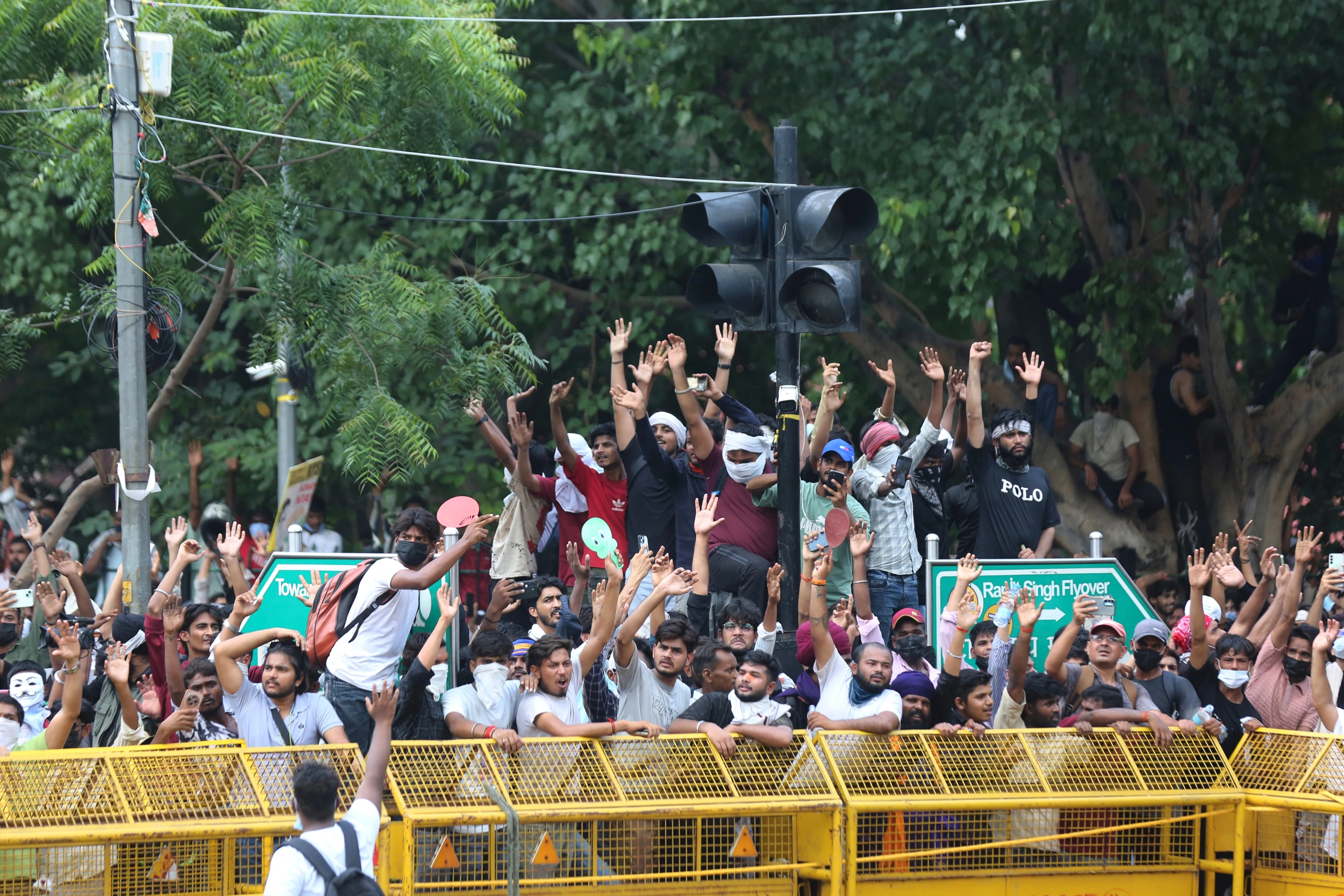
India's 'Cockroach' movement has announced the end of its nationwide protests following the resignation of the country's education minister, concluding weeks of demonstrations that drew widespread public attention and prompted renewed debate over government accountability and education policy.
Protest Movement Declares Demonstrations Complete
Organizers of India's 'Cockroach' movement announced that nationwide demonstrations have officially concluded following the resignation of the country's education minister. The movement, which gained significant momentum through student participation, civil society organizations, and online campaigns, said its immediate objective had been achieved after government officials confirmed the minister's departure. Protest leaders stated that although street demonstrations would end, the organization would continue monitoring future government actions related to education reform, transparency, and institutional accountability. Over several weeks, demonstrations were held in numerous cities and university campuses, attracting thousands of participants demanding political responsibility and policy changes. While most gatherings remained peaceful, authorities maintained heightened security around government buildings and educational institutions to prevent potential disruptions. Organizers thanked supporters for participating through peaceful means and encouraged continued civic engagement as discussions over long-term education reforms continue. Government officials acknowledged the conclusion of the protests while emphasizing that constitutional processes remain the appropriate mechanism for implementing future policy changes. Analysts described the movement as one of the country's most closely watched civic campaigns in recent months, reflecting growing public engagement in education policy and government accountability.
Education Minister Resigns Amid Mounting Political Pressure
The education minister's resignation followed weeks of increasing political pressure generated by sustained demonstrations, criticism from opposition parties, and growing public scrutiny of the government's handling of education-related issues. Officials confirmed the resignation but did not immediately provide detailed reasons beyond acknowledging the minister's decision to step down. Political observers noted that resignations during periods of public unrest often serve to reduce tensions while allowing governments to reassess policy direction and restore confidence in public institutions. Opposition leaders described the resignation as evidence that sustained public pressure can influence political decision-making, while government representatives maintained that leadership changes should not be interpreted as admissions of wrongdoing. Analysts expect the administration to appoint a successor capable of addressing concerns raised throughout the demonstrations while maintaining continuity within the education ministry. The leadership transition is also expected to trigger renewed discussions regarding education policy, institutional reforms, and the government's broader strategy for engaging with student organizations and civil society groups.
Movement Emerged From Growing Public Dissatisfaction
The 'Cockroach' movement emerged amid growing public dissatisfaction over education governance, policy decisions, and broader concerns surrounding institutional accountability. Student organizations, educators, activists, and community groups played prominent roles in organizing demonstrations, public meetings, and digital awareness campaigns that expanded the movement's national visibility. Social media platforms became important tools for coordinating events, sharing information, and mobilizing support across different regions of the country. Protest organizers emphasized peaceful demonstrations and encouraged participants to express their concerns through lawful public assemblies. Political analysts observed that the movement reflected broader trends in civic participation, with younger generations increasingly using both digital platforms and traditional demonstrations to influence public policy debates. While participants expressed differing views regarding specific policy priorities, many agreed on the need for greater transparency, improved consultation, and stronger accountability within public institutions responsible for education. Observers believe the movement's organizational structure and widespread participation contributed significantly to its ability to sustain nationwide attention over several weeks.
Authorities Review Security and Public Order Response
Government authorities are reviewing the security response implemented during the demonstrations to assess operational effectiveness and identify lessons for future large-scale public events. Law enforcement agencies coordinated closely with local administrations to manage traffic, protect public infrastructure, and facilitate peaceful assemblies while responding to isolated incidents of disruption where necessary. Officials stated that maintaining public safety while respecting constitutional rights to peaceful protest remained a central objective throughout the demonstrations. Security reviews are expected to evaluate crowd management procedures, emergency response coordination, communication strategies, and resource deployment across affected cities. Public officials also expressed appreciation for cooperation between law enforcement personnel, local authorities, and protest organizers in minimizing risks during the demonstrations. Analysts noted that effective communication between authorities and organizers contributed to reducing tensions in many locations despite the scale of the protests. The findings of these reviews may inform future public order planning for similarly large civic demonstrations.
Political Leaders Debate Next Steps for Education Reform
The resignation has intensified political debate over the future direction of India's education policies. Government representatives indicated that consultations with educators, academic institutions, student organizations, and policy experts may continue as officials consider potential reforms. Opposition parties have called for broader structural changes, arguing that leadership changes alone will not fully address concerns raised during the protests. Education experts emphasized the importance of evidence-based policymaking and constructive dialogue involving all major stakeholders before implementing significant reforms. Several academic organizations urged policymakers to use the current moment as an opportunity to strengthen institutional governance, improve transparency, and expand consultation mechanisms for future policy decisions. Analysts believe the appointment of a new education minister will be closely watched both domestically and internationally, particularly regarding the government's willingness to engage with issues highlighted throughout the demonstrations. Future legislative proposals may also become an important measure of how authorities respond to the movement's broader demands.
Movement Signals Shift Toward Long-Term Civic Engagement
Although organizers declared an end to nationwide protests, movement representatives indicated that their activities will continue through advocacy, public education campaigns, policy monitoring, and engagement with lawmakers. Rather than maintaining continuous street demonstrations, organizers said they intend to focus on long-term participation in democratic processes and continued oversight of government commitments related to education policy. Political scientists noted that many contemporary protest movements increasingly transition from public demonstrations into advocacy organizations capable of influencing future legislative debates and institutional reforms. Civil society groups welcomed the peaceful conclusion of the protests while encouraging continued dialogue between government officials and community representatives. Observers believe the movement's impact may extend beyond the resignation itself by encouraging greater civic participation and increased public attention to education policy. As the political transition unfolds, both supporters and critics of the movement are expected to closely monitor government decisions to determine whether the concerns raised during the demonstrations result in lasting policy changes.