Iran and the United States say negotiations over reopening the Strait of Hormuz are nearing an agreement, but major disagreements remain over control, security arrangements and the concessions required from both sides.
Diplomatic Effort Focuses on Reopening Critical Global Shipping Route
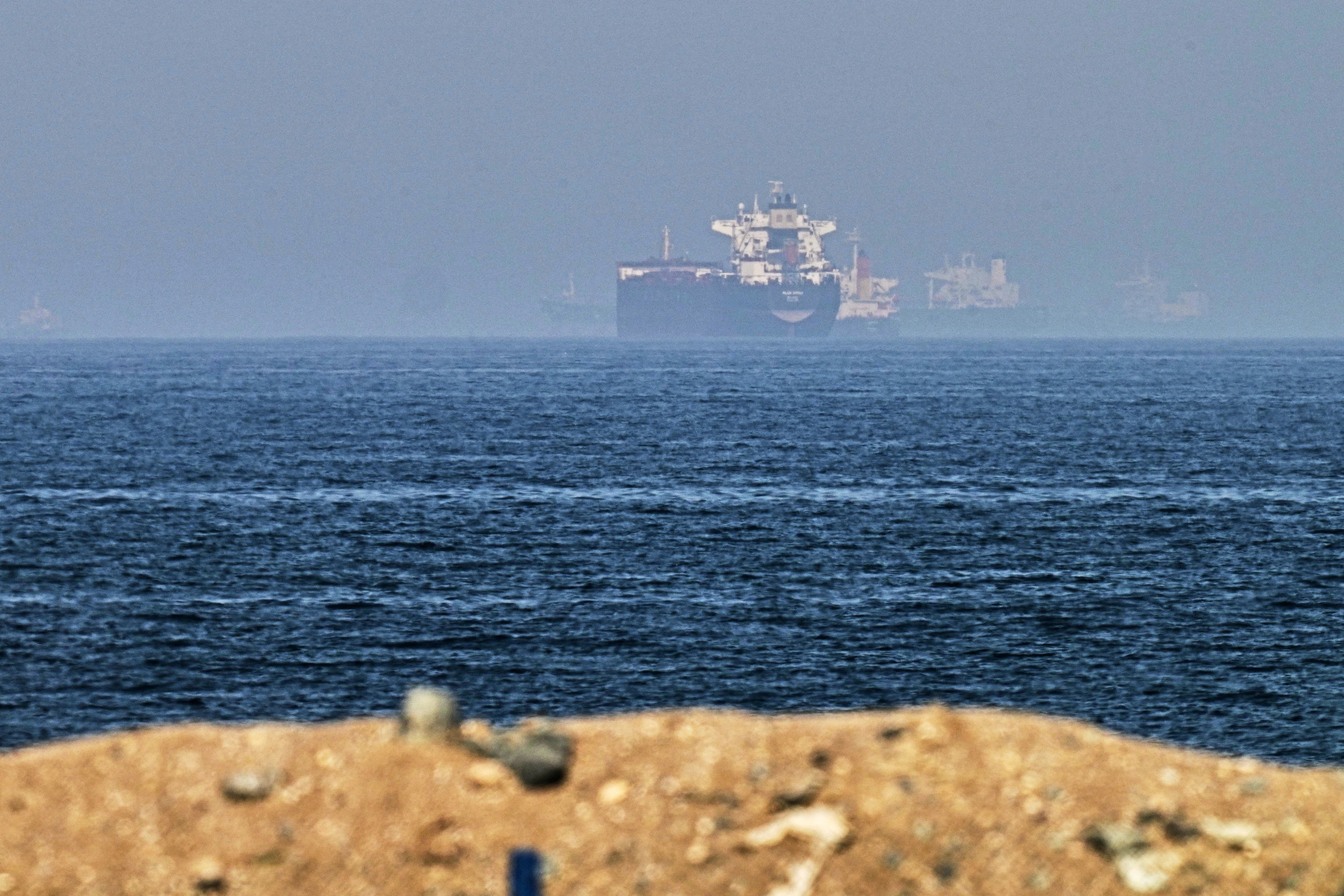
Iran and the United States have indicated that a potential agreement over the Strait of Hormuz is close, but reaching a final deal would require both sides to compromise on key demands. The negotiations center on restoring commercial shipping through one of the world's most strategically important waterways. The Strait of Hormuz is a vital passage for global energy markets, connecting the Persian Gulf with international shipping routes. Any disruption in the waterway can affect oil supplies, shipping costs and global markets. Officials involved in the talks have described progress, but unresolved issues remain. The final agreement would likely require balancing Iran's security concerns with U.S. demands for freedom of navigation and regional stability. Analysts say the difficulty is not only reaching a written agreement but ensuring both governments can present the outcome as acceptable to their domestic audiences.
Iran Seeks Guarantees While Washington Wants Secure Shipping
Iran has pushed for arrangements that recognize its role in the region and address restrictions affecting its economy and ports. Tehran has argued that any reopening agreement must include protections for Iranian interests. The United States has focused on restoring predictable commercial access through the strait and ensuring that international shipping can operate without threats or restrictions. Washington has emphasized maritime security and stability as central priorities. The disagreement reflects years of mistrust between the two countries. Even when negotiations advance, both sides remain cautious about making concessions that could be viewed as weakness. Diplomatic observers say the challenge is finding a framework where both governments can claim success while avoiding a perception of surrender.
Oman Plays a Key Role in Brokering the Talks
Oman has emerged as an important mediator in discussions between Iran and the United States. The Gulf nation has historically maintained communication channels with both Washington and Tehran during periods of tension. Negotiators have worked through diplomatic channels to address technical questions, including shipping arrangements and security procedures. While progress has been reported, officials have cautioned that remaining details must still be finalized. Regional mediators often play a critical role in conflicts where direct negotiations between opposing governments are politically sensitive. The success of the talks may depend on whether Oman and other diplomatic partners can help bridge differences between the two sides.
Energy Markets Watch for Signs of a Breakthrough
Global energy markets are closely monitoring the negotiations because the Strait of Hormuz plays a major role in international oil and gas transportation. Signs of progress have influenced market expectations about future supply stability. A successful reopening could reduce concerns about shipping disruptions and provide relief to energy markets. However, analysts warn that uncertainty will remain until commercial vessels resume normal operations and security conditions improve. Energy traders often respond quickly to geopolitical developments, but long-term stability depends on whether agreements can survive political pressure and regional tensions. The economic consequences of the dispute extend beyond the Middle East, affecting consumers, businesses and governments worldwide.
The Hardest Question: Who Makes the First Concession?
The central challenge facing negotiators is deciding which side moves first. Iran and the United States both have political incentives to avoid appearing to compromise too much. For Washington, accepting an arrangement viewed as giving Iran greater influence over shipping routes could create domestic criticism. For Tehran, reducing control over the waterway without receiving meaningful benefits could also create political pressure. Diplomats say successful agreements often require both sides to make limited concessions while focusing on larger strategic goals. The coming days will determine whether the negotiations produce a lasting arrangement or become another failed attempt at reducing tensions.
A Deal Could Reshape Regional Relations
A successful Strait of Hormuz agreement could become a significant turning point in U.S.-Iran relations and broader Middle East diplomacy. Beyond shipping access, the negotiations could influence future discussions on security, sanctions and regional cooperation. However, previous diplomatic efforts between Washington and Tehran have often faced setbacks because of disagreements over enforcement and trust. Experts say the durability of any agreement will depend on verification mechanisms, continued communication and both governments' willingness to maintain commitments. For now, the Strait of Hormuz remains at the center of a high-stakes diplomatic effort where the final outcome depends on whether Iran and the United States are willing to compromise.