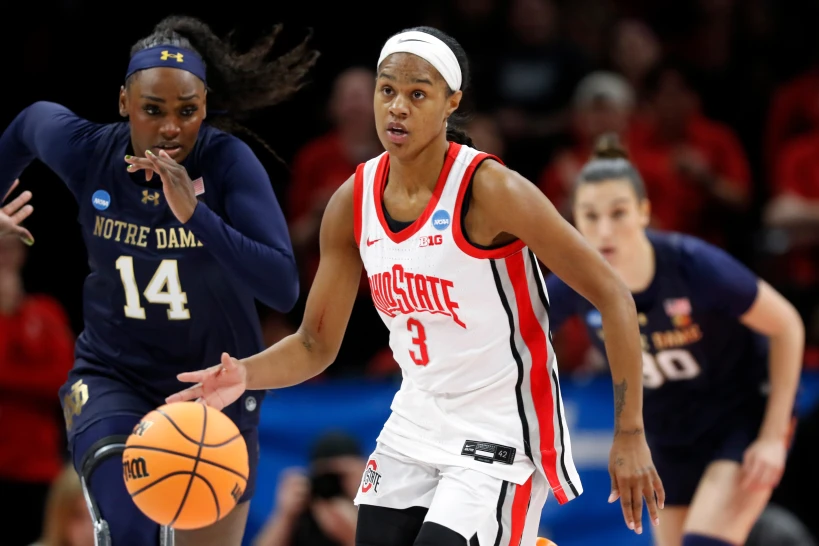
Notre Dame and Ohio State have announced major jersey patch sponsorship agreements on the same day, marking a new era of commercial partnerships in college athletics with deals worth tens of millions of dollars annually.
Notre Dame and Ohio State Enter New Era of College Jersey Sponsorships
Notre Dame and Ohio State announced major jersey patch sponsorship agreements on the same day, signaling a significant shift in the business landscape of college athletics. The deals represent some of the most valuable uniform sponsorship agreements in college sports history and highlight the growing importance of commercial partnerships as universities seek new revenue opportunities. Ohio State announced a partnership with JPMorganChase that will place the company’s logo on uniforms across all 36 men’s and women’s varsity sports. The agreement is reportedly valued at approximately $17 million annually, making it one of the largest jersey patch deals ever completed by a college athletic program. On the same day, Notre Dame announced a partnership with SoFi that will introduce a sponsor patch on its athletic uniforms. The six-year agreement is expected to generate between $18 million and $20 million annually, placing it among the most lucrative sponsorship deals in collegiate sports. The announcements represent a major cultural change for programs that have historically maintained traditional uniform designs with limited commercial branding. Notre Dame, in particular, has long been associated with protecting its iconic athletic identity, making the decision to add a corporate patch especially notable. College athletics has undergone significant financial transformation in recent years due to increased revenue demands, Name, Image, and Likeness (NIL) opportunities, expanded player compensation discussions, and rising competition among major programs. Universities are now exploring new revenue streams beyond television contracts, ticket sales, and traditional sponsorships. Jersey patches provide schools with a highly visible marketing asset while allowing corporate partners to connect directly with large alumni networks and fan bases. The deals announced by Notre Dame and Ohio State demonstrate how elite college athletic programs are becoming increasingly similar to professional sports organizations in their approach to branding and commercial partnerships. As more schools consider similar agreements, jersey sponsorships are expected to become a growing source of revenue across college sports.
Ohio State’s JPMorganChase Partnership Creates Record-Setting Revenue Opportunity
Ohio State’s agreement with JPMorganChase represents one of the biggest commercial partnerships in the history of college athletics. The deal will place the financial institution’s logo alongside Ohio State branding on uniforms while extending the partnership into broader areas including stadium visibility, community initiatives, and support for student-athletes. The partnership reflects Ohio State’s position as one of the most commercially valuable athletic programs in the United States. With a large national fan base, strong alumni network, and successful sports programs, the university has become an attractive platform for major brands seeking visibility. Ohio State officials described the agreement as a strategic partnership designed to support both athletic success and academic opportunities. The deal reportedly includes resources connected to NIL opportunities, helping student-athletes benefit from the expanding business side of college sports. The introduction of a jersey sponsor marks a historic moment for the Buckeyes. For decades, college uniforms were largely protected from corporate branding compared with professional sports leagues, where sponsorship patches have become common. The financial value of the agreement demonstrates the increasing market power of major college programs. Universities are investing more heavily in recruiting, facilities, coaching resources, and athlete support, creating demand for additional revenue sources. However, the announcement has also generated mixed reactions among fans. Some supporters view corporate patches as a necessary step to remain competitive in modern college sports, while others worry that additional branding could change the traditional identity of university athletics. Sports business analysts say the Ohio State deal could influence other major programs to pursue similar agreements. Schools with strong brands may see jersey sponsorships as an opportunity to generate significant new income without changing ticket prices or relying solely on television revenue. The partnership highlights how college athletics continues moving toward a more professionalized financial model, where brand value and commercial strategy play an increasingly important role in maintaining competitive success.
Notre Dame’s SoFi Deal Highlights Value of Iconic Sports Brands
Notre Dame’s partnership with SoFi demonstrates the enormous commercial value of one of college football’s most recognizable brands. The agreement gives SoFi a prominent presence across Notre Dame athletics while providing the university with a significant new source of revenue. Notre Dame has traditionally maintained a unique position in college sports because of its independent football program, national following, and historic reputation. The university’s decision to introduce a jersey patch sponsor reflects changing financial realities across the college athletics landscape. The SoFi partnership is expected to support various athletic initiatives, including resources connected to student-athletes and broader university programs. The deal shows how companies are increasingly willing to invest large amounts of money to associate themselves with influential sports brands. For decades, Notre Dame’s uniforms represented tradition and simplicity. The addition of a sponsor patch represents a balancing act between preserving historic identity and adapting to modern financial demands. University officials have emphasized that the partnership provides opportunities to strengthen athletic programs while supporting the broader student experience. Supporters argue that additional revenue is necessary as schools face rising costs related to recruiting, facilities, compliance, and athlete compensation. Critics, however, have questioned whether corporate branding could affect the traditions that make college sports unique. Some alumni and fans worry that increased commercialization could make college athletics feel more similar to professional leagues. The Notre Dame deal illustrates a broader transformation taking place across major sports programs. Schools that once relied primarily on traditional revenue sources are now actively exploring partnerships that maximize the value of their brands. As universities compete for national attention and financial resources, sponsorship agreements are becoming an important part of long-term strategy. Notre Dame’s decision suggests that even the most tradition-focused programs are adapting to the changing economics of college sports. The partnership with SoFi places Notre Dame at the center of a new era where tradition and commercial growth must exist together.
Jersey Patch Deals Signal Future Commercial Growth in College Sports
The simultaneous announcements from Notre Dame and Ohio State indicate that jersey sponsorships are likely to become a major financial trend throughout college athletics. As universities face increasing expenses and competition, partnerships with major corporations offer a new way to generate revenue while strengthening athletic programs. The growth of jersey patch sponsorships follows years of transformation in college sports. Television contracts have expanded, athlete compensation discussions have changed the financial structure of programs, and universities are increasingly operating with professional-style business strategies. Sports executives believe jersey patches provide significant value because uniforms offer constant visibility during games, broadcasts, social media content, and merchandise sales. For companies, partnerships with major universities create opportunities to reach millions of passionate fans. The success of early agreements involving schools such as Notre Dame and Ohio State could encourage other programs to pursue similar opportunities. Universities with strong national brands may command significant sponsorship values because of their large audiences and cultural influence. However, the expansion of corporate branding will likely continue generating debate among fans. College athletics has historically emphasized tradition, school identity, and amateur values, making commercial changes more controversial than in professional sports. Supporters argue that modern financial realities require innovation. They say additional revenue helps universities invest in facilities, support athletes, and remain competitive in a rapidly changing environment. Critics believe schools must carefully manage commercialization to avoid weakening the emotional connection fans have with their programs. The future of college sports will likely involve a combination of tradition and business growth. Universities will continue seeking new revenue opportunities while attempting to maintain the identities that make their athletic programs unique. The Notre Dame and Ohio State announcements represent more than individual sponsorship deals. They symbolize a broader shift toward a new economic model where college athletics increasingly resembles professional sports in branding, investment, and revenue generation.